



















































%20and%20Batch%20Production%20Records%20(BPR).png)















Oral Small-Molecule GLP-1s Linked to Deep Brain Activity and Reduced Cravings in Mice
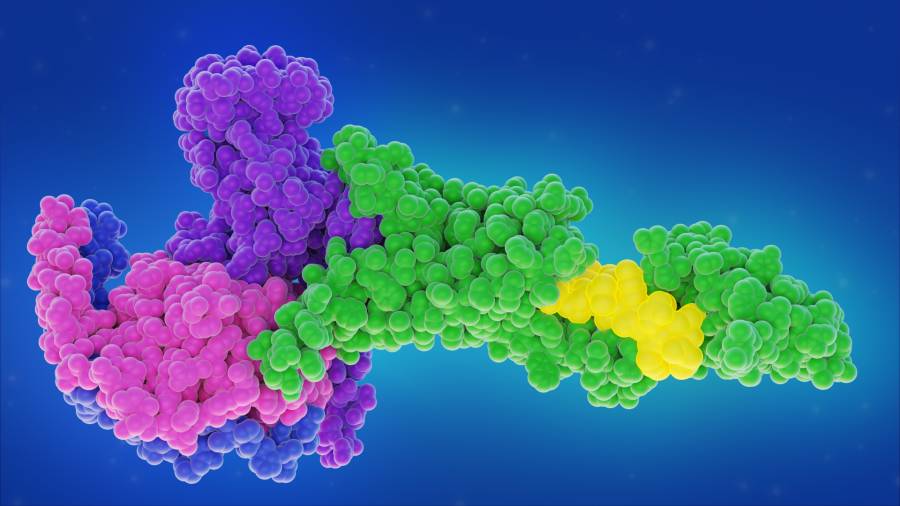
Interest in glucagon-like peptide 1 receptor agonists (GLP-1s) continues to surge due to their effectiveness in reducing body weight and improving metabolic outcomes. This includes interest in small molecule oral GLP-1s which are more bioavailable and more easily manufactured than their injectable counterparts.
Now data from a new study in mice performed by scientists at the University of Virginia shows that this emerging class of weight-loss drugs suppress hedonic eating by modulating a reward circuit deep in the brain that is separate from previously described mechanisms that broadly affect appetite. The scientists believe that this pathway could be an avenue by which GLP-1s treat other dysfunctions in reward processing such as substance use disorders.
Details of the National Institutes of Health-funded study were published this week in a Nature paper titled “A brain reward circuit inhibited by next-generation weight-loss drugs in mice.” In it, the team reported that they investigated the small-molecule GLP-1s including Eli Lilly’s recently approved drug orforglipron, also known by the brand name Foundayo, as well as danuglipron, an oral GLP-1 that was being developed by Pfizer until the company decided to discontinue its development in 2025.
Previous studies that explored the effects of larger peptide GLP-1s such as semaglutide in the brain have found that they suppress hunger-driven eating by engaging networks in the hypothalamus and hindbrain. What has been less clear is the mechanism by which small-molecule GLP-1s work. “As the accessibility of these medications continues to rise and patient uptake increases, it’s crucial that we understand the neural mechanisms underlying the effects we’re seeing,” said Lorenzo Leggio, MD, PhD, clinical director of NIH’s National Institute on Drug Abuse.
The current study gets scientists one step closer to that goal. According to the paper, the scientists first used gene editing to modify the GLP-1 receptors of mice to make them more humanlike. They then administered orforglipron or danuglipron to the mice, and identified brain regions where the drugs induced activity. The results showed that in addition to inducing activity in familiar pathways, the drugs also triggered the central amygdala, a region associated with desire that is deeper in the brain than scientists previously thought GLP-1s could directly reach. Further testing showed that once activated, the central amygdala reduced the release of dopamine into key hubs of the brain’s reward circuitry during hedonic feeding.
“We’ve known that GLP-1 drugs suppress feeding behavior driven by energy demand,” said co-corresponding author Ali Guler, PhD, a professor of biology at the University of Virginia. “Now it seems oral small-molecule GLP-1s also dial back eating for pleasure by engaging a brain reward circuit.”
Given the effect of these drugs on eating for pleasure, future studies could explore whether small-molecule GLP-1s can also suppress cravings for other addictive substances. It is a question that the team hopes to explore in follow up studies focused specifically on substance use disorder.
The post Oral Small-Molecule GLP-1s Linked to Deep Brain Activity and Reduced Cravings in Mice appeared first on GEN - Genetic Engineering and Biotechnology News.
Apa Reaksi Anda?
 Suka
0
Suka
0
 Kurang Suka
0
Kurang Suka
0
 Setuju
0
Setuju
0
 Tidak Setuju
0
Tidak Setuju
0
 Bagus
0
Bagus
0
 Berguna
0
Berguna
0
 Hebat
0
Hebat
0