



















































%20and%20Batch%20Production%20Records%20(BPR).png)















Osler@Home program delivers better outcomes for seniors and local health system

HN Summary
• Supporting seniors at home: Osler@Home provides eligible older adults with up to 16 weeks of coordinated in-home care following discharge or to help avoid unnecessary hospital admissions. In 2025/26, the program served 898 patients.
• Strong outcomes: More than three-quarters of participants remained at home following care, while 90 per cent rated the service as good or excellent. All first home visits occurred within 24 hours of discharge.
• Easing hospital pressures: By helping frail seniors recover safely at home, the program frees hospital capacity and contributes to Osler’s declining Alternate Level of Care rate.
“When I was in the hospital, I couldn’t walk at all, and it was terrifying. I didn’t think I’d ever get back on my feet again. Thanks to this program, I’ve made progress I never imagined. I’m walking again, I feel stronger, and I’m hopeful for what’s ahead.” These are the words of just one patient who recently received care through an innovative ‘hospital at home’ program at William Osler Health System (Osler). Designed to help a growing number of frail seniors after discharge, the program enables patients to safely recover at home and also helps free up much-needed hospital beds at the height of peak periods such as respiratory virus season.
Launched three years ago, Osler@Home is now one of the largest ‘hospital at home’ programs in the province. Delivered in partnership with Bayshore HealthCare’s Integrated Health Solutions division (Bayshore), it provides eligible older adults with up to 16 weeks of in-home care. In 2025/26, the program served 898 people in 2025/26, including 748 patients aged 65 and older.
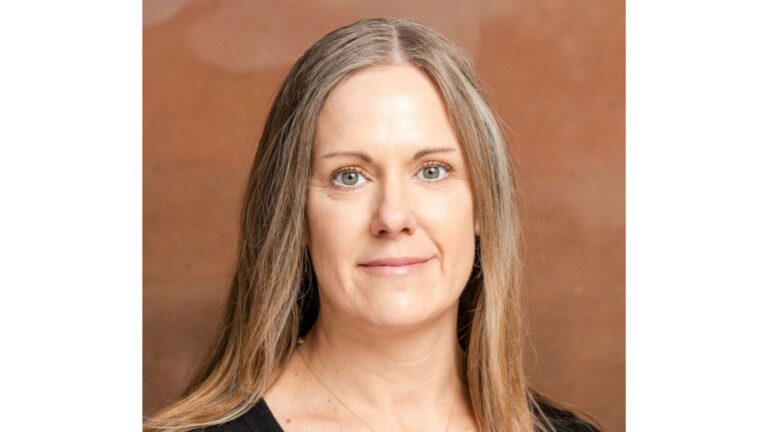
“Those served through our program are often frail seniors at risk of becoming alternate level of care (ALC) patients once their acute medical needs have been met by the hospital,” said Terri Lynn Hansen, Osler’s Clinical Services Director, Acute General Medicine, Critical Care, Respiratory Therapy and Transitions at William Osler Health System. “We know most seniors want to recover at home versus transitioning to long-term care or a retirement home, and Osler@Home helps them to do just that.”
Unlike traditional home care models that tend to be task-oriented, Osler@Home offers a more integrated, patient-centred model through two streams: an eight-week program designed to avoid unnecessary hospital admissions, and a longer 16-week program that focuses on rehabilitation and restoring independence post-discharge.
Patients are identified for Osler@Home early in their hospital stay, with staff from Osler and Bayshore working in partnership with each eligible patient to develop personalized care plans prior to discharge. Depending on each patient’s needs, the care plan may include coordinated supports from a range of health care professionals including nurses, personal support workers, occupational therapists, physiotherapists, speech language pathologists, dieticians and social workers. Osler and Bayshore work together to ensure that these supports and equipment are in place so that services can start as soon as patients are moved from hospital to home. The program also supports a rapid transition from hospital to home, with 100 per cent of first visits completed within 24 hours of hospital discharge in 2025/26.
The majority of patients are able to remain at home following their care. In 2025/26, 77.6 per cent of patients in the 16-week program and 84.3 per cent of patients in the eight-week program remained at home, with or without Osler@Home supports.
“What truly sets Osler@Home apart is that it sees the whole patient – the care needs during recovery and also the activities of daily living to remain successfully at home well beyond their care plans,” said Lara MacNeil, Manager, Transitions, at William Osler Health System. “Prior to discharge from the program, we navigate the applications for community supports such as ordering groceries, meal preparation, house cleaning and basic personal care, all of which are vital to their ongoing health, wellbeing and independence.”
Response to the program from patients and families has been incredibly positive. In 2025/26, 90 per cent of clients surveyed rated the overall service as excellent or good, and 91 per cent of respondents strongly agreed or agreed that they would recommend the program.
“We have patients asking about the program because they know how beneficial it is,” said MacNeil. “Each patient is assessed against clear criteria to ensure the program is offered to those most likely to benefit from this level of care and support at home. That speaks to the strength of the partnership between the teams at Osler and Bayshore, and the shared commitment to help keep seniors living in their homes as long as possible.”
Osler@Home is one of many strategies Osler utilizes to ensure patients receive care in the most appropriate place. As a result of all these efforts, Osler has been seeing a steady decrease of its Alternate Level of Care (ALC) rates, from 14.3 per cent in 2023/24 to10.6 per cent in 2025/26.
“Osler@Home has truly been a lifesaver for the growing seniors’ population and Osler,” said Hansen. “Every senior discharged from hospital to recover safely back home means greater comfort for them, and a bed available at one of our hospitals for patients who need acute care. It’s a win-win all around for our seniors, our community and our health system. I don’t know where we would be without it.”
The post Osler@Home program delivers better outcomes for seniors and local health system appeared first on Hospital News.
Apa Reaksi Anda?
 Suka
0
Suka
0
 Kurang Suka
0
Kurang Suka
0
 Setuju
0
Setuju
0
 Tidak Setuju
0
Tidak Setuju
0
 Bagus
0
Bagus
0
 Berguna
0
Berguna
0
 Hebat
0
Hebat
0









