




















































%20and%20Batch%20Production%20Records%20(BPR).png)













See, Blind Mice: Consortium’s Drugs Restore Sight
A consortium led by scientists at the Institute for Bioengineering of Catalonia (IBEC) has developed a series of light-activated small molecule drugs that in preclinicial tests restored sight in blind mice. The team’s approach is based on photopharmacology, a technique for reversibly control drug activity using light.
The newly developed compounds, called prosthe6, mimic the function of light sensing photoreceptor cells, which degenerate in blinding diseases such as age-related macular degeneration (AMD) and retinitis pigmentosa (RP).
The prosthe6 compounds target ON-bipolar neurons and in tests were found to successfully restore saccadic eye movements (optokinetic reflex) in blinded zebrafish larvae, a widely used model for studying visual acuity. Even more strikingly, the researchers demonstrated recovery of innate light-avoidance behavior in mouse models of age-related macular degeneration and retinitis pigmentosa.
Test results suggest that the prosthe6 compounds may be administered by injecting them in the eye, or administered as eye drops. In animal studies the photoswitchable molecules also showed promising preliminary safety profiles, pointing to the development of potential drug candidates for restoring vision in patients with degenerative retinal diseases, without the need for genetic manipulation or implanted devices. Importantly, these compounds are designed to work under normal lighting conditions and do not require light-enhancing devices as optogenetics. They are small, water-soluble molecules that respond to ordinary visible or white light, such as indoor lighting or daylight, without requiring intense or specialized light sources.
“These molecules do not cure blindness, because they do not address the cause of photoreceptor degeneration,” said study co-lead Pau Gorostiza, PhD, ICREA Research Professor at IBEC, leader of the Nanoprobes and Nanoswitches group, member of CIBER-BBN. “But they are remarkably effective at restoring sight, and they do so using a very simple and potentially patient-friendly approach.”
Rosalba Sortino, former PhD student at the University de Barcelona, and currently post-doctoral researcher at Gorostiza’s group at IBEC, added, “Our goal was to restore vision using a molecular mechanism that is as close as possible to how the healthy retina works … Instead of bypassing retinal processing, we aimed to reactivate it right at the same level of the retinal circuit than the lost photoreceptor cells.”
Sortino is co-first author of the team’s published paper in Journal of the American Chemical Society, titled “Restoration of saccadic eye movements and visually guided behavior in ambient white light with photoswitchable small molecules.”
Diseases such as age-related macular degeneration and retinitis pigmentosa affect 200 million people worldwide and are the leading causes of visual impairment and blindness. Beyond the personal impact on quality of life and independence, vision loss places a global economic burden estimated at over US$400 billion per year in healthcare costs and lost productivity.
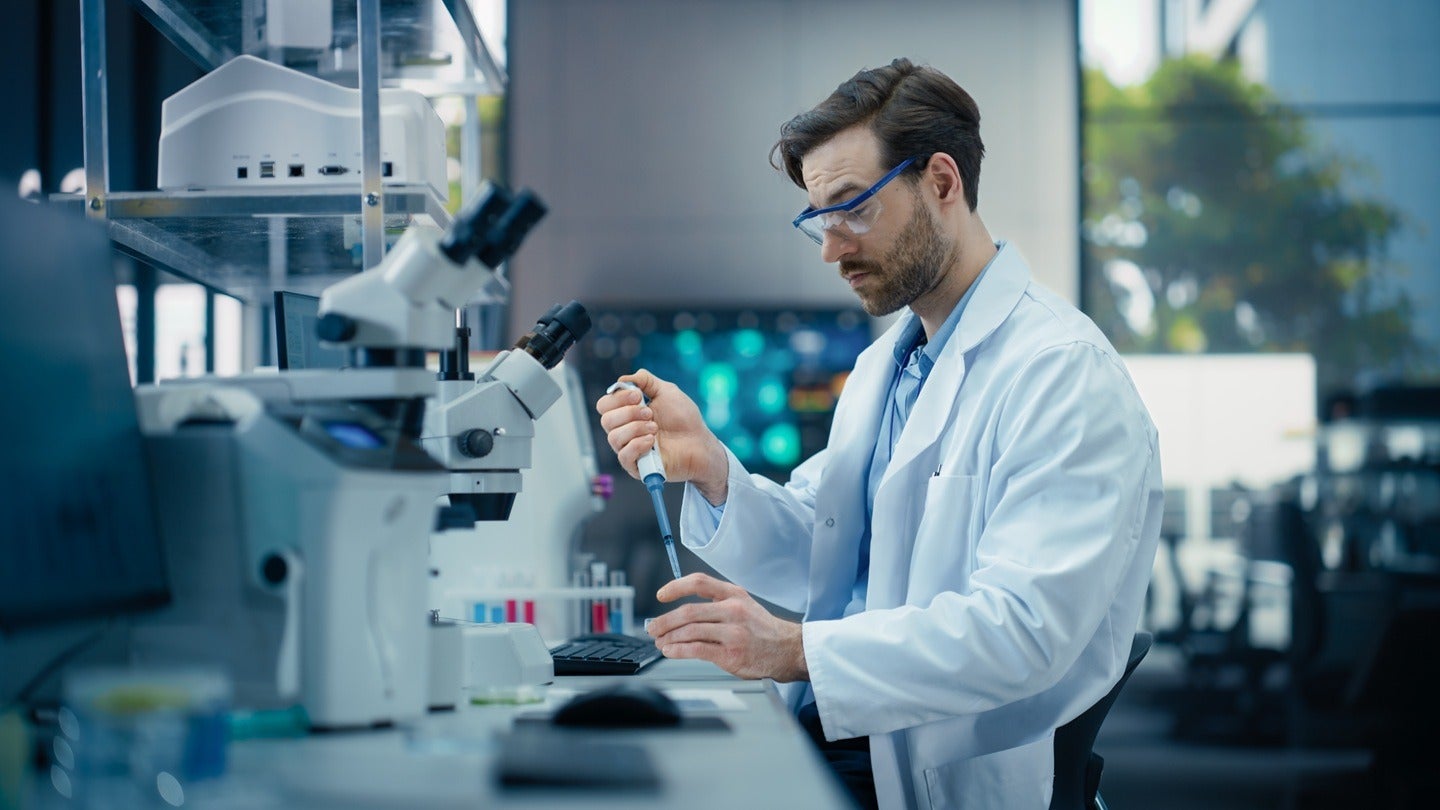
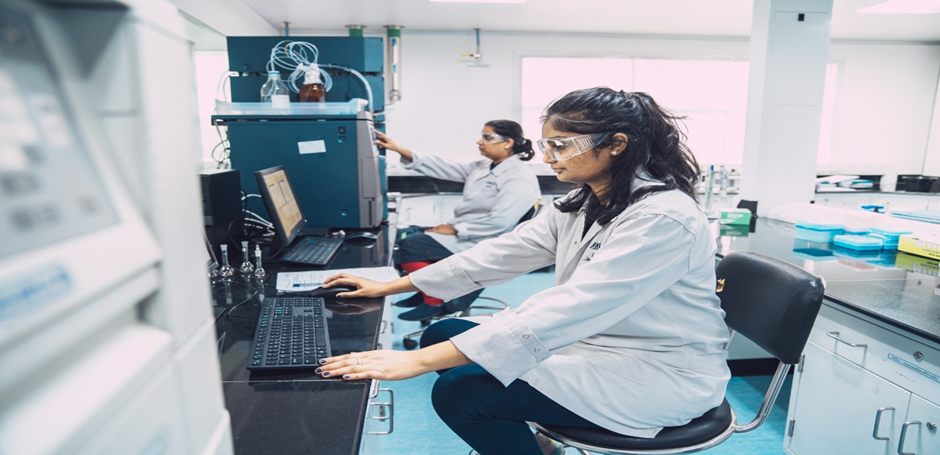
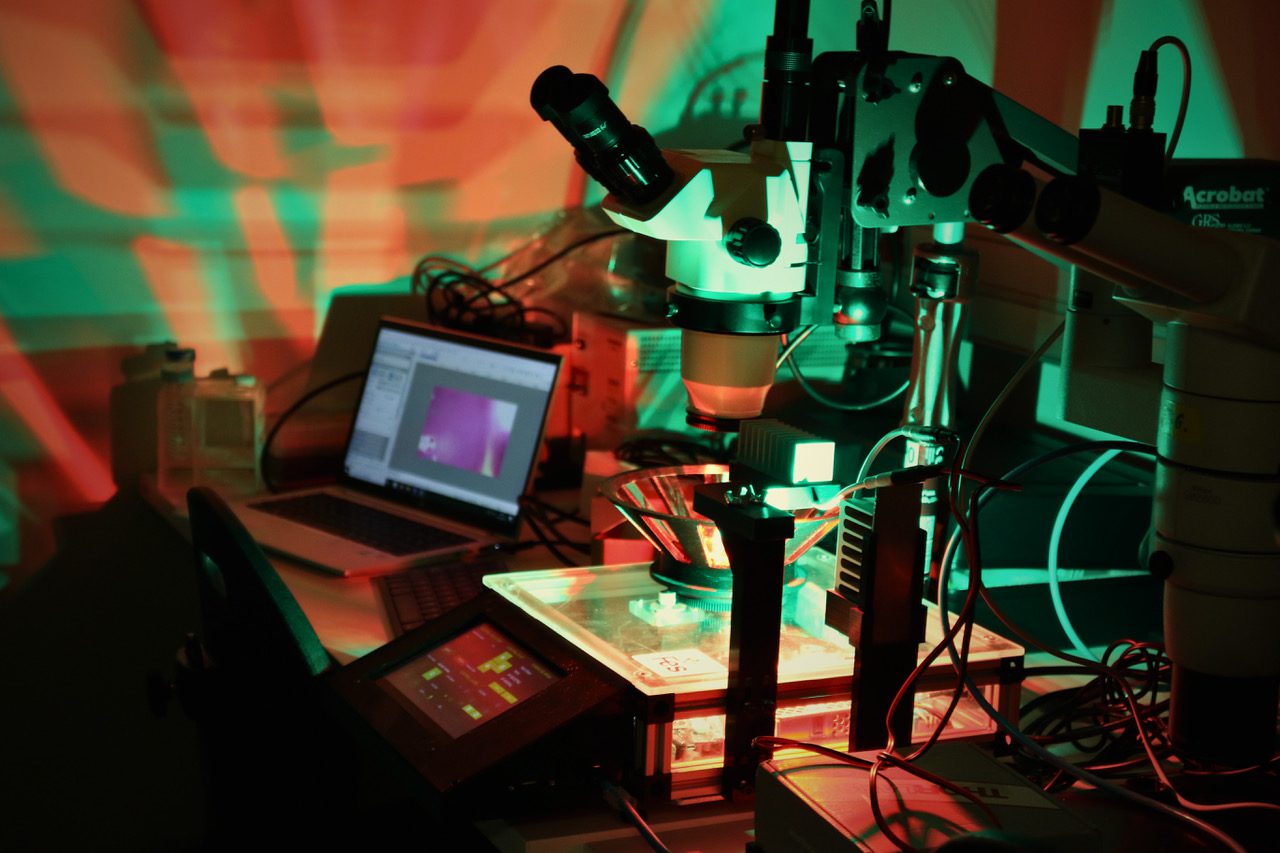
![Researchers Rosalba Sortino (left) and Joaquin Martinez Tambella (right) working in the laboratories of the Institute for Bioengineering of Catalonia (IBEC). Sortino is a post-doctoral researcher at the Nanoprobes and Nanoswitches group at IBEC and co-first author of the study. Martinez is a PhD student at the Nanoprobes and Nanoswitches group at IBEC and co-first author of the study. [Institute for Bioengineering of Catalonia (IBEC).]](https://www.genengnews.com/wp-content/uploads/2026/07/RSortino-JMartinez-300x223.jpeg)
More recently, optogenetics and light-responsive drugs have entered clinical testing, the latter with encouraging safety results. “Photopharmacology can develop photoswitchable small molecules to restore vision impairment by conferring light sensitivity to ion channels that are widely expressed in the remaining inner retinal neurons, and a first-in-human clinical trial is ongoing,” the team noted. However, achieving high-quality vision at ambient illumination levels remains a major challenge.
The (IBEC)-led consortium has now developed a new class of photoswitchable small-molecule drugs that are capable of restoring key visual functions in animal models of blindness. The team’s photopharmacology-based technique involves modifying a drug’s chemical structure by adding a light-activated molecular switch, enabling control of the pharmacological action using light. “Unlike (opto)genetic manipulation and surgically implanted retinal electronic prostheses, pharmacotherapy is noninvasive, readily reversible, and can be upgraded when new drugs are approved,” the authors noted. “Medicines are preferred by patients, clinicians, and public healthcare systems, they can be developed and manufactured at lower costs than other approaches and assessed by conventional regulatory procedures and clinical assays.”
The reported work builds on more than a decade of research and was carried out in collaboration with the team co-led by Pedro de la Villa at the University of Alcalá (UAH), as well as researchers from the Institut de Química Avançada de Catalunya (IQAC-CSIC), the University of Barcelona (UB), the Institute Ramón y Cajal of Health Research (IRYCIS), the Autonomous University of Barcelona (UAB), and the Fundació Eduard Soler.
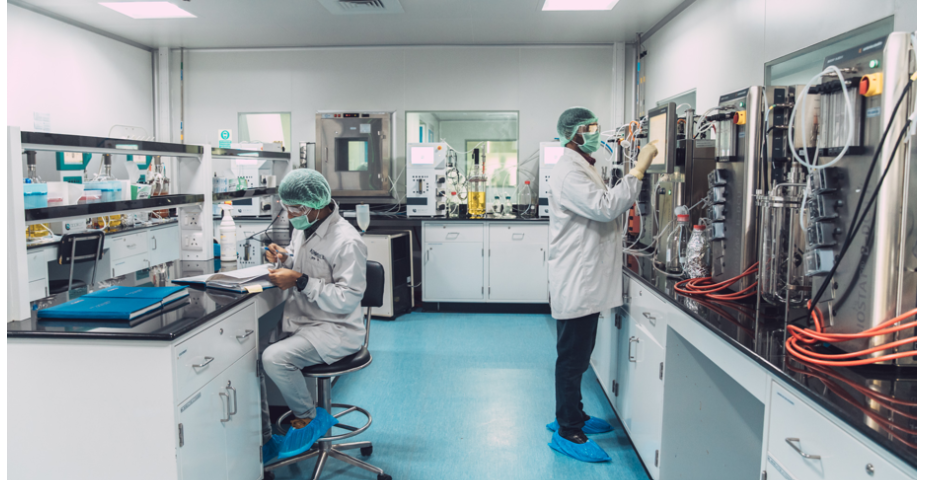
![Researcher Joaquin Martinez Tambella working in the laboratories of the Institute for Bioengineering of Catalonia (IBEC). Martinez is a PhD student at the Nanoprobes and Nanoswitches group at IBEC and co-first author of the study. [Institute for Bioengineering of Catalonia (IBEC).]](https://www.genengnews.com/wp-content/uploads/2026/07/JMartinez-300x225.jpeg)
By targeting a protein (mGlu6) in this preserved part of the retina, prosthe6 compounds can take over the role of the missing photoreceptors. “… we have targeted metabotropic glutamate 6 (mGlu6) receptors, which are exclusively expressed in ON bipolar cells (OBCs) and localized postsynaptic to PhR cells, thereby leveraging a privileged position to drive physiological visual circuit,” the investigators explained. When light enters the eye, the molecules respond by changing their shape, triggering signals inside the retina in a way that closely resembles natural vision. In this way, the drugs effectively act as “molecular prostheses,” helping the eye process light again without the need for implants or genetic modifications.
Healthy mice naturally prefer to remain in dark environments and instinctively avoid brightly lit areas, a behavior that relies entirely on a functional visual system. Blind mice, by contrast, lose this preference and move indistinctly between light and dark spaces, as they are unable to perceive light. The team showed that after treatment with prosthe6, blind mice once again showed a clear and spontaneous preference for dark areas, indicating that they could perceive light and use this information to guide their behavior.
This recovery occurred without any training and under light levels comparable to those found indoors or on an overcast day, demonstrating that the treatment restores functional light perception capable of driving natural, visually guided behavior.
Two lead compounds, prosthe6-12 and prosthe6-15, showed particularly promising results. The restored behaviors were observed not only after intraocular injection, but also after topical administration as eye drops. “… at least two compounds (prosthe6-12 and -15) appear to be devoid of adverse effects and restore sight by topical administration, which is linked to higher overall clinical success rate than systemic routes for neurological drugs, and to stronger patient adherence,” the investigators pointed out.
The prosthe6 technology is protected by patent and the researchers are now evaluating its safety and formulation to extend the duration of visual rehabilitation. The team is working with Eyelumina, a spin-off company in formation to secure investments that support translational development and future clinical trials.
“Turning this into a therapy is a long and laborious process,” says Gorostiza. “But the results show that there is a realistic possibility of restoring high-quality vision with drugs, non-invasively, reversibly and with a mechanism that is independent of the specific retinal disorder or genetic mutation to reach a majority of patients.”
If successful in humans, the drug-based approach would offer a widely accessible and affordable alternative to existing vision restoration technologies, especially relevant for patients with advanced retinal degeneration for whom no effective treatments currently exist.
In their paper the team further stated, “From a fundamental perspective, prosthe6 constitute new tools for ophthalmology to study the physiopathology of mGlu6 receptors and retinal circuits in vitro and in vivo and contribute to the medicinal chemistry of allosteric modulators. They also achieve the prediction that upstream targeted photopharmacology can deliver nearly native output signals, taking full advantage of the retinal circuit for high-quality vision restoration.”
The post See, Blind Mice: Consortium’s Drugs Restore Sight appeared first on GEN - Genetic Engineering and Biotechnology News.
Apa Reaksi Anda?
 Suka
0
Suka
0
 Kurang Suka
0
Kurang Suka
0
 Setuju
0
Setuju
0
 Tidak Setuju
0
Tidak Setuju
0
 Bagus
0
Bagus
0
 Berguna
0
Berguna
0
 Hebat
0
Hebat
0