











































%20and%20Batch%20Production%20Records%20(BPR).png)











Soft Bandage Immobilisation: A Cost-Effective Alternative to Rigid Splinting, suggests study

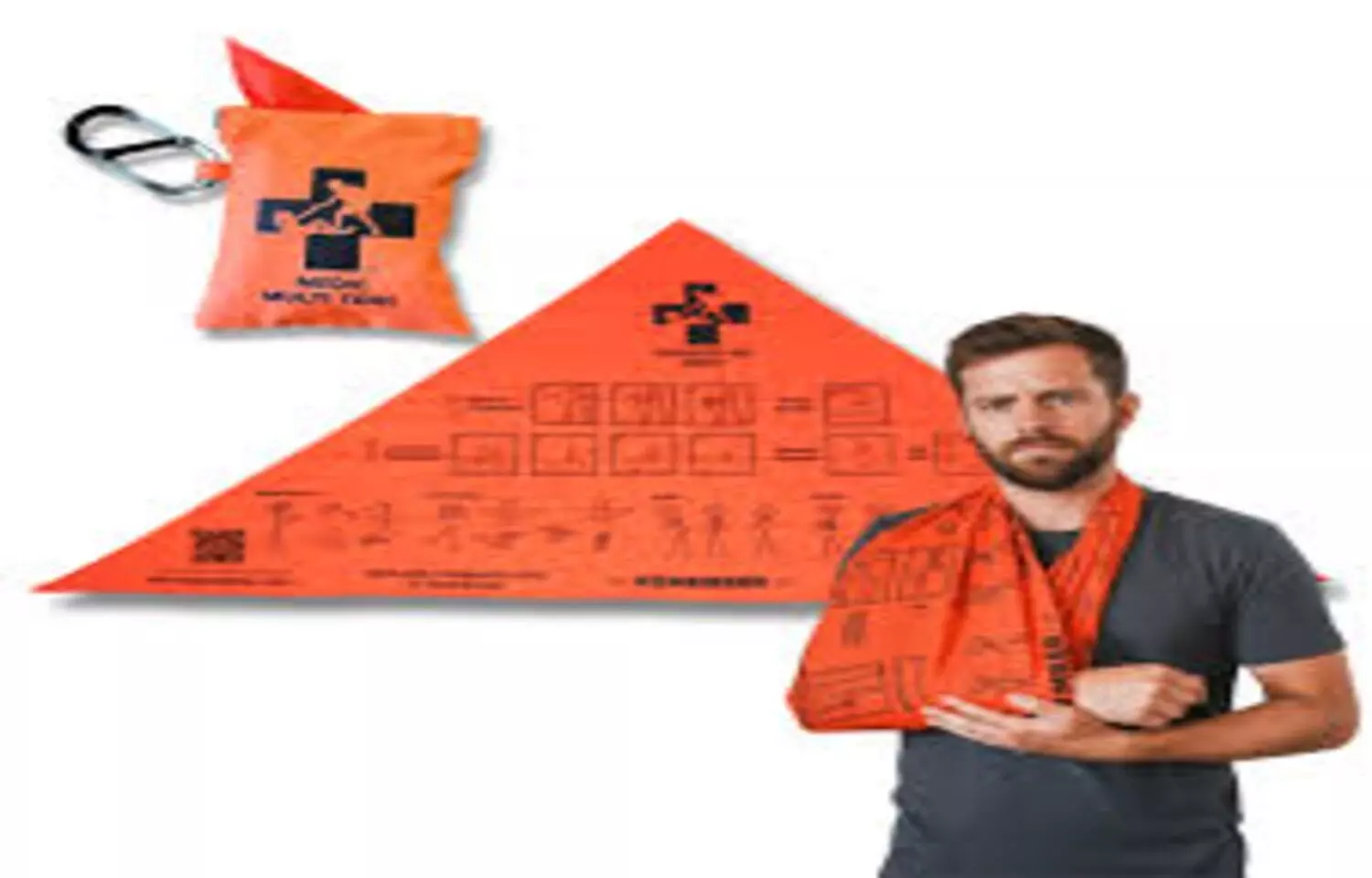
Researchers have discovered in a new research that Soft bandage (SB) immobilisation was associated with fewer follow-up visits, reduced need for imaging, and lower overall direct and indirect costs compared to rigid splinting. These findings support Soft bandage immobilisation as a cost-effective and efficient strategy, particularly in resource-limited healthcare settings.
Distal radius torus fractures (DRTFs) are among the most common pediatric skeletal injuries, yet management strategies vary widely between institutions. Repeated outpatient visits and imaging associated with rigid immobilisation impose direct medical costs and indirect burdens on families that are rarely quantified. This study aimed to compare outpatient revisit frequency, imaging burden, direct medical costs, indirect caregiver costs, and total societal costs among children with DRTFs managed with soft bandage (SB), short arm splint (SAS), or long arm splint (LAS).
A retrospective cohort study was conducted at a tertiary orthopaedic centre. Consecutive patients aged 0–16 years with a radiographically confirmed DRTF presenting between 2024 and 2025 were stratified by immobilisation type. Direct costs comprised outpatient visit fees, imaging, and immobilisation material costs derived from National Social Security Institution reimbursement tariffs. Indirect costs were estimated using the human capital approach, valuing caregiver time at the 2025 national minimum wage (0.053 USD/minute). Between-group comparisons were performed using the Kruskal-Wallis and Mann-Whitney U tests. A total of 667 patients were included (mean age 8.6 ± 3.9 years; 67.0% male). SB was associated with significantly fewer outpatient visits (median 2 vs 3 vs 4; p < 0.001), fewer radiographs (median 2 vs 3 vs 3; p < 0.001), and lower total caregiver time (median 120 vs 176 vs 204 min; p = 0.005). Mean direct cost was lower in the SB group ($12.35 vs $19.74 vs $27.00; p < 0.001), as were indirect ($11.11 vs $15.08 vs $17.06; p = 0.005) and total societal costs ($23.46 vs $34.82 vs $44.06; p < 0.001). Immobilisation material cost was the most discriminating component, differing 4.2-fold between Soft bandage and SAS and 8.7-fold between Soft bandage and long arm splint. Had all splint-treated patients been managed with Soft bandage, a combined societal saving of $7773 could have been achieved over the study period.
Soft bandage immobilisation was associated with fewer revisits, reduced imaging burden, and lower direct and indirect costs compared with rigid splinting, supporting its adoption as a cost-effective strategy in resource-conscious healthcare settings.
Reference:
Kaya S, Pür B, Karabak B. Soft bandage vs rigid immobilisation in pediatric distal radius torus fractures: A cost and patient burden analysis — A retrospective cohort study
Injury, 2026; 57
Keywords:
Soft, Bandage, Immobilisation, Cost-Effective, Alternative, Rigid Splinting, Kaya S, Pür B, Karabak B
Apa Reaksi Anda?
 Suka
0
Suka
0
 Kurang Suka
0
Kurang Suka
0
 Setuju
0
Setuju
0
 Tidak Setuju
0
Tidak Setuju
0
 Bagus
0
Bagus
0
 Berguna
0
Berguna
0
 Hebat
0
Hebat
0