













































%20and%20Batch%20Production%20Records%20(BPR).png)













Soon…the First Organ-on-a-Chip Qualified Drug Development Tool
Sponsored content brought to you by

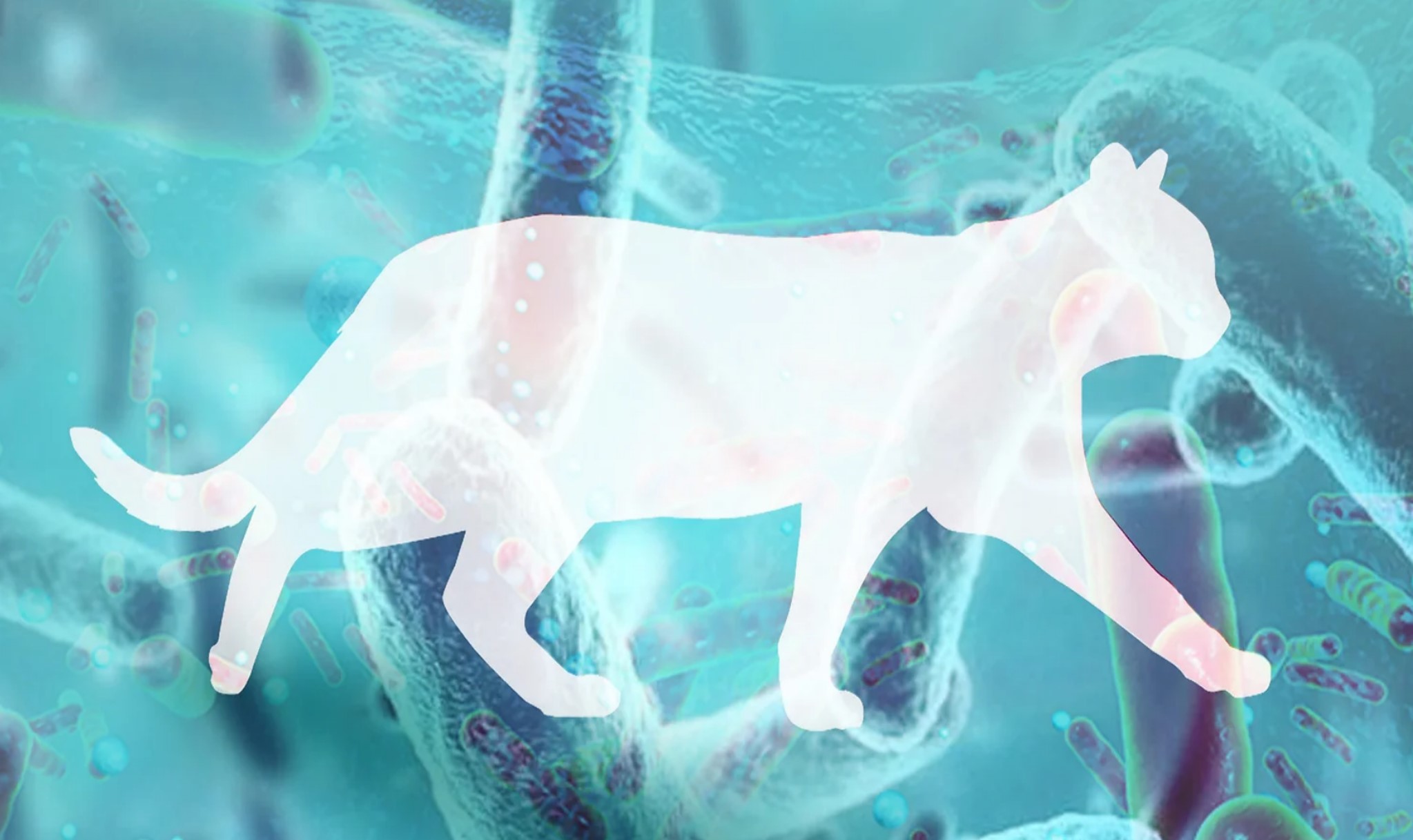
Historical data indicate that animal models are not ideal for the determination of the efficacy and safety of human therapeutics. Ninety percent of drugs that pass animal studies do not receive regulatory approval. Improving predictive accuracy in preclinical tests is paramount, thus the movement toward more human-relevant models.
The goal to reduce the use of animals in preclinical testing changes testing paradigms. In April 2025, the U.S. FDA’s Roadmap to Reducing Animal Testing in Preclinical Safety Studies outlined a strategic, stepwise approach to replace animal testing with scientifically validated new approach methodologies (NAMs), such as organ-on-a-chip systems, computational modeling, and advanced in vitro assays. FDA Modernization Acts 2.0 and 3.0 facilitated this activity by empowering the agency to accept NAMs in lieu of animal studies.
Meanwhile, legislation from the EU, Directive 2010/63/EU, requires marketing authorization holders to integrate the 3Rs (Reduction, Refinement, and Replacement) and welfare standards for the treatment of animals in all aspects of the development, manufacture, and testing of medicines. In addition, last year, the U.K. delivered an expedited phase-out plan for animal use.
But it all began in 2020 with the launch of the FDA Innovative Science and Technology Approaches for New Drugs (ISTAND) pilot program to provide a pathway to qualify novel drug development tools (DDTs) that did not fit within the agency’s existing qualification programs. Qualified DDTs are defined as having a proven, specific use and can be incorporated in any drug development program for a particular context of use.
The pilot has advanced to a permanent DDT qualification program. To date, ISTAND has accepted eight submissions–two tools that assess preclinical safety without using animals, two methods involving tissues, and one statistical approach.
The rigorous ISTAND process
In a 2022 Communications Medicine study to test drug-induced liver injury (DILI), 870 human Emulate Liver-Chips created with cells from three different human donors were challenged with 27 different drugs. The human Liver-Chip predicted human DILI with 87% sensitivity and 100% specificity, ~7 to 8 times more accurate than the comparable animal models.1 These results prompted Emulate to submit a Letter of Intent (LOI) to ISTAND in 2024.
ISTAND accepted Emulate’s LOI for the first organ-on-a-chip DDT to predict DILI. The human Liver-Chip S1 was proposed to assess the risk of small molecule candidate drugs inducing DILI in adults to create human-relevant data for candidate drug IND submission.
The LOI acceptance was the entry point in a three-step rigorous qualification process. ISTAND required Emulate to qualify the in vivo-like physiological functionality of the Liver-Chip S1, and quantify its ability to predict DILI risk through changes in tissue morphology as well as alterations in albumin and alanine transaminase (ALT) protein concentrations when the chips were challenged with toxic drugs administered across eight concentrations.
Now, the Emulate Liver-Chip S1 is in the final stages of qualification. Two independent commercial users need to successfully produce similar results. Pending successful completion, the Liver-Chip will be the first FDA-approved DDT to assess the potential of a small-molecule candidate drug to cause DILI when a prior structurally similar small-molecule has shown DILI in the clinic.
High-throughput capabilities
Moving toward reduction and, in some cases, replacement of animal models demands both biological fidelity and throughput. For model development and target validation, the Zoë-CM2® Culture Module automates the precise condition needed to culture up to 12 chips.
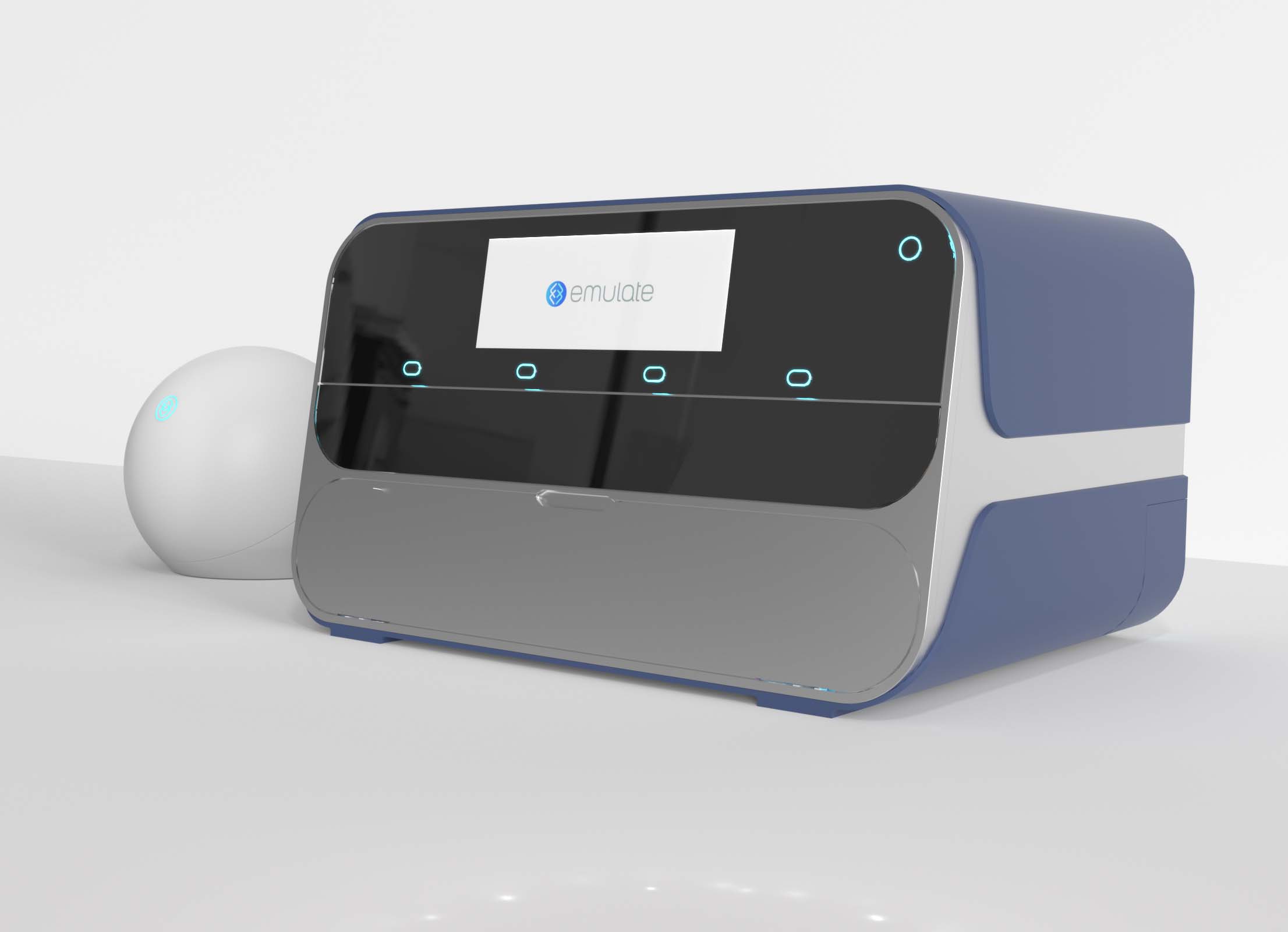
For high-throughput options, the AVA Emulation System is a self-contained Organ-on-a-Chip workstation that fuses high-throughput microfluidic tissue culture, full environmental control, and real-time imaging into a single, compact benchtop unit. The Chip-Array
consumable integrates 12 independent Organ-Chips into an SBS format for 96-well streamlined workflows with multichannel pipettes and automated liquid handlers.
Reference
1. Ewart, L., Apostolou, A., Briggs, S.A. et al. Performance assessment and economic analysis of a human Liver-Chip for predictive toxicology. Commun Med 2, 154 (2022). doi.org/10.1038/s43856-022-00209-1.

Click Here to learn more about Emulate’s product portfolio emulatebio.com/resources/emulate-product-brochure.
The post Soon…the First Organ-on-a-Chip Qualified Drug Development Tool appeared first on GEN - Genetic Engineering and Biotechnology News.
Apa Reaksi Anda?
 Suka
0
Suka
0
 Kurang Suka
0
Kurang Suka
0
 Setuju
0
Setuju
0
 Tidak Setuju
0
Tidak Setuju
0
 Bagus
0
Bagus
0
 Berguna
0
Berguna
0
 Hebat
0
Hebat
0