





















































%20and%20Batch%20Production%20Records%20(BPR).png)















The GDC’s new attitude – encouraging early signs for the future of regulation

Nigel Jones considers why a more trusted, collaborative GDC could shape not only regulation, but the future of the UK’s dental workforce.
The language surrounding the launch last November of the GDCs strategy to become viewed as a ‘trusted and effective’ regulator was encouraging, even if, for many years, the profession will have heard similar intent expressed at various intervals in various forums. This time, however, it feels different.
I doubt anyone is under the illusion that the damage done to the relationship between the profession and its regulator will be repaired quickly. The mindset shift has to percolate right through the organisation itself and old habits die hard. Even after the operational changes are delivering a new approach consistently and reliably, it will be a while before the perception of the GDC as a body to be feared is shaken off.
But the early signs and feedback are good so there are definite grounds for optimism which is just as well given the key contribution the GDC may play in influencing dentistry over the coming years. As Dr Helen Phillips, chair of the GDC, put it in the foreword to the new strategy: ‘Collaboration is key. We have shared interests in making dentistry work across the UK and we all have a role to play.’
Why trust matters
Take, for example, the issue of the dental workforce planning and the part the GDC plays in the number of clinicians on the register. I’ve often expressed the view that the restricted supply of clinical services relative to demand from patients has been the main driver of change over the past.
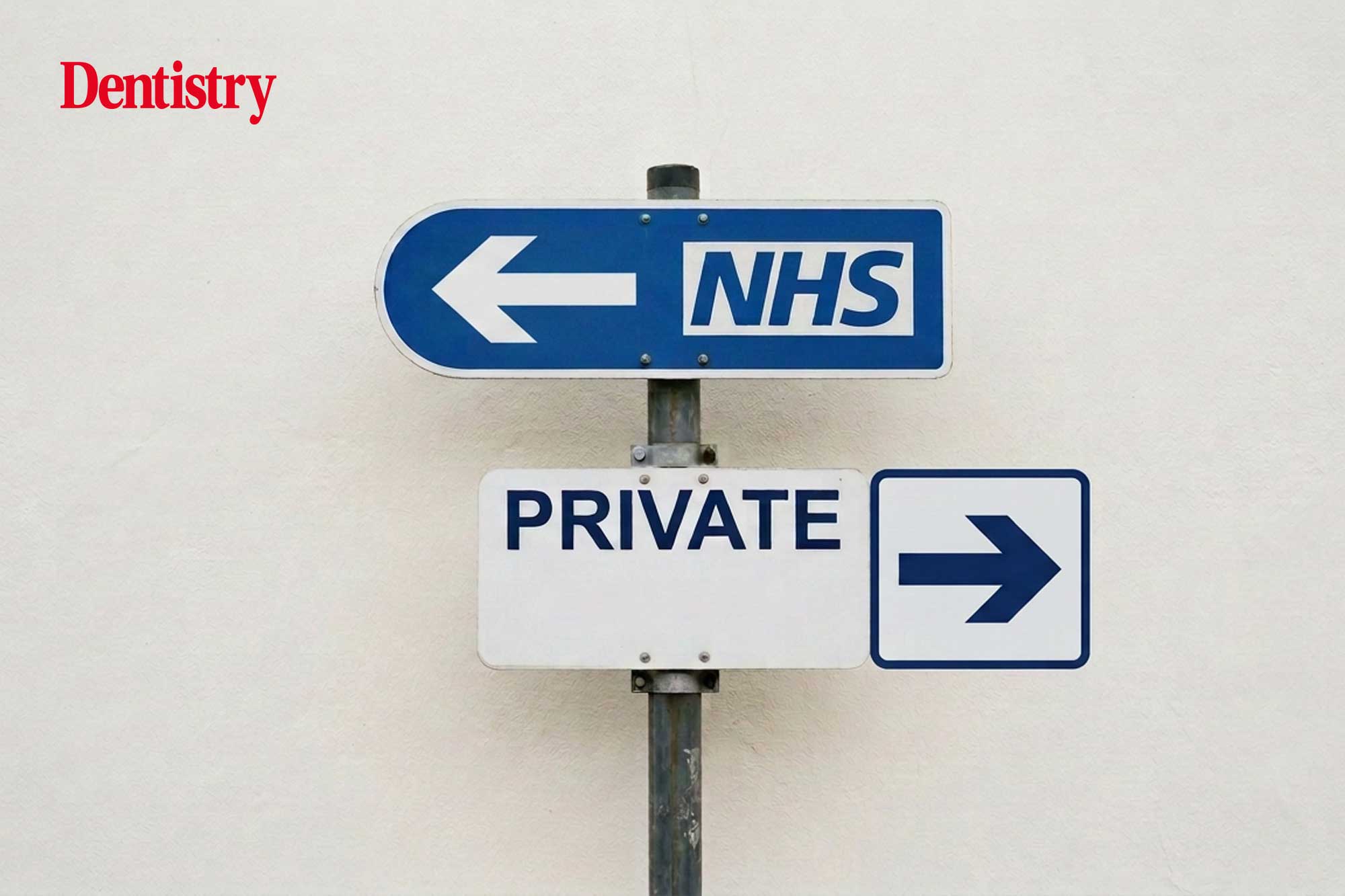
An inability to recruit or retain associate dentists has often been cited by the owners of NHS practices as the straw that broke the back of their hesitation about ‘going private’. Indeed, we are increasingly seeing it is associate dentists, having concluded that NHS contractual arrangements (old or new) are not for them, that are driving the decisions about a practice’s commitment to the NHS.
Resisting such requests is not easy, especially when there are so many vacancies in private practices offering better financial packages, career development opportunities and pace of work. The latter is of particular importance when private practice can offer the chance of longer appointments, leading to better communication and stronger relationships with patients as well as more time for note taking, all of which lessen the fear of getting on the GDC’s radar for the wrong reasons.
And while there are obviously significant regional variations, the drift to private practice exacerbates the lack of access to NHS dentistry, boosting the confidence of the remaining NHS dentists. With limited options available to patients, a move to purely private is feasible and so it goes on.
The wider consequences
In both NHS and private environments, the lack of clinicians can lead to downward pressure on practice income at the same time as the pressure on running costs is relentlessly upwards. The resulting financial pressure can bring in to play behavioral matters relevant to the tension between commercial and ethical considerations.
Indeed, the CMA’s look at private dentistry, while likely to pick up on the supply and demand imbalance in the dental market, is almost certain to be influenced by their work in the veterinary field. In a provisional report, issues such as price transparency and rising private treatment costs were called out as was the concentration of veterinary practice ownership in a few large companies. The BBC even ran a story in January about vets reporting being under corporate pressure to increase revenue.
The GDC has no remit to get directly involved in workforce planning, CMA recommendations, dental business models or NHS contractual arrangements. However, the way in which it handles concerns about professional conduct is linked to the appeal of private dentistry. More significantly, the rate at which it opens or closes the tap on new dentists joining the register can have indirect impacts on many aspects of UK dentistry which in turn could lead to the kind of professional and ethical issues that are definitely within the GDC’s remit.
A regulator for the future
So, it is with all that in mind that the early signs of the GDC being true to the words of its strategy are to be highly welcomed. A regulator that is seen as supporting the profession it regulates and gives deeper consideration to the wider environment in which dental professionals work will be essential in the years ahead.
This article is sponsored by Practice Plan.
If you’re ready for a confidential discussion with Practice Plan about the next steps in converting to private dentistry, leave your details below.
Apa Reaksi Anda?
 Suka
0
Suka
0
 Kurang Suka
0
Kurang Suka
0
 Setuju
0
Setuju
0
 Tidak Setuju
0
Tidak Setuju
0
 Bagus
0
Bagus
0
 Berguna
0
Berguna
0
 Hebat
0
Hebat
0