

















































%20and%20Batch%20Production%20Records%20(BPR).png)
















Transient Vision Loss may Predict Short- and Long-Term CV Events: Study

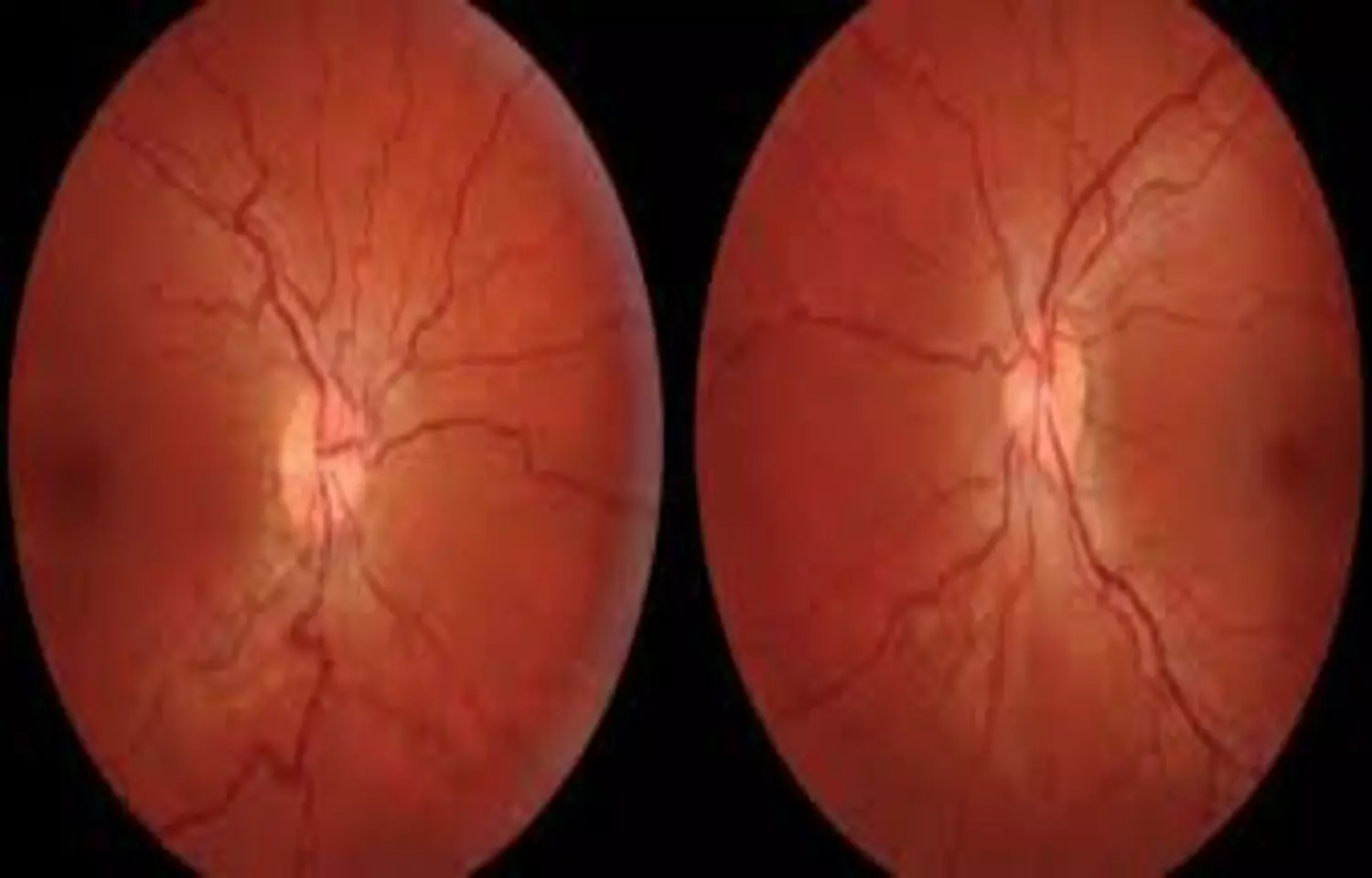
Researchers have found in a new study that patients with transient vision loss have a markedly higher risk of major adverse cardiovascular events—including stroke, myocardial infarction, arrhythmias, and early hospitalization—within 14 days of symptom onset, with this increased risk persisting for up to 10 years.
A study was done to evaluate short- and long-term cardiovascular risk following a first diagnosis of transient vision loss (TVL) compared with matched controls using the TriNetX research network. Patients with an incident diagnosis of Transient vision loss were retrospectively identified and 1:1 propensity score-matched to controls with dry eye syndrome. Primary outcomes included major adverse cardiovascular events (MACE), stroke, myocardial infarction (MI), ventricular arrhythmias, venous thromboembolism (VTE), hospitalisation and all-cause mortality. Cox proportional hazards models estimated hazard ratios (HRs) from 14 days to 10 years. Subgroup analyses evaluated patients free of events at 90 days and 1 year.
Results After matching, 37 750 patients were included in each cohort. Mean (SD) age was 56.8 (16.8) years in the TVL cohort (59.7% female) and 56.6 (16.3) years in the control cohort (58.9% female). Within 14 days, stroke risk increased over 21-fold (HR 21.7; 95% CI 13.4 to 37.4), major adverse cardiovascular events nearly 10-fold (HR 9.80; 95% CI 7.19 to 13.34), arrhythmia over fourfold (HR 4.01; 95% CI 2.72 to 5.90), MI fivefold (HR 5.00; 95% CI 1.92 to 12.06) and hospitalisation nearly fourfold (HR 3.83; 95% CI, 3.52 to 4.17) compared with controls. Venous thromboembolism risk was modest and transient, with no elevation beyond 5 years, and all-cause mortality was not elevated at any time point. Among patients’ event-free at 90 days or 1 year, elevated long-term risk persisted up to 10 years for major adverse cardiovascular events, stroke, arrhythmiaand hospitalisation. Transient vision loss is associated with increased short- and long-term risks of major adverse cardiovascular events, stroke, MI, arrhythmia and hospitalisation, warranting prompt systemic evaluation and long-term monitoring.
Miller T, Xie JS, Rahat Qureshi A, et alCardiovascular risk following transient vision loss. British Journal of Ophthalmology Published Online First: 09 December 2025. doi: 10.1136/bjo-2025-328605
Keywords:
Miller T, Xie JS, Rahat, Qureshi A, Cardiovascular, risk, following, transient vision loss, British Journal of Ophthalmology
Apa Reaksi Anda?
 Suka
0
Suka
0
 Kurang Suka
0
Kurang Suka
0
 Setuju
0
Setuju
0
 Tidak Setuju
0
Tidak Setuju
0
 Bagus
0
Bagus
0
 Berguna
0
Berguna
0
 Hebat
0
Hebat
0