



















































%20and%20Batch%20Production%20Records%20(BPR).png)
















WHO updates guidelines on opioid dependence treatment and overdose prevention

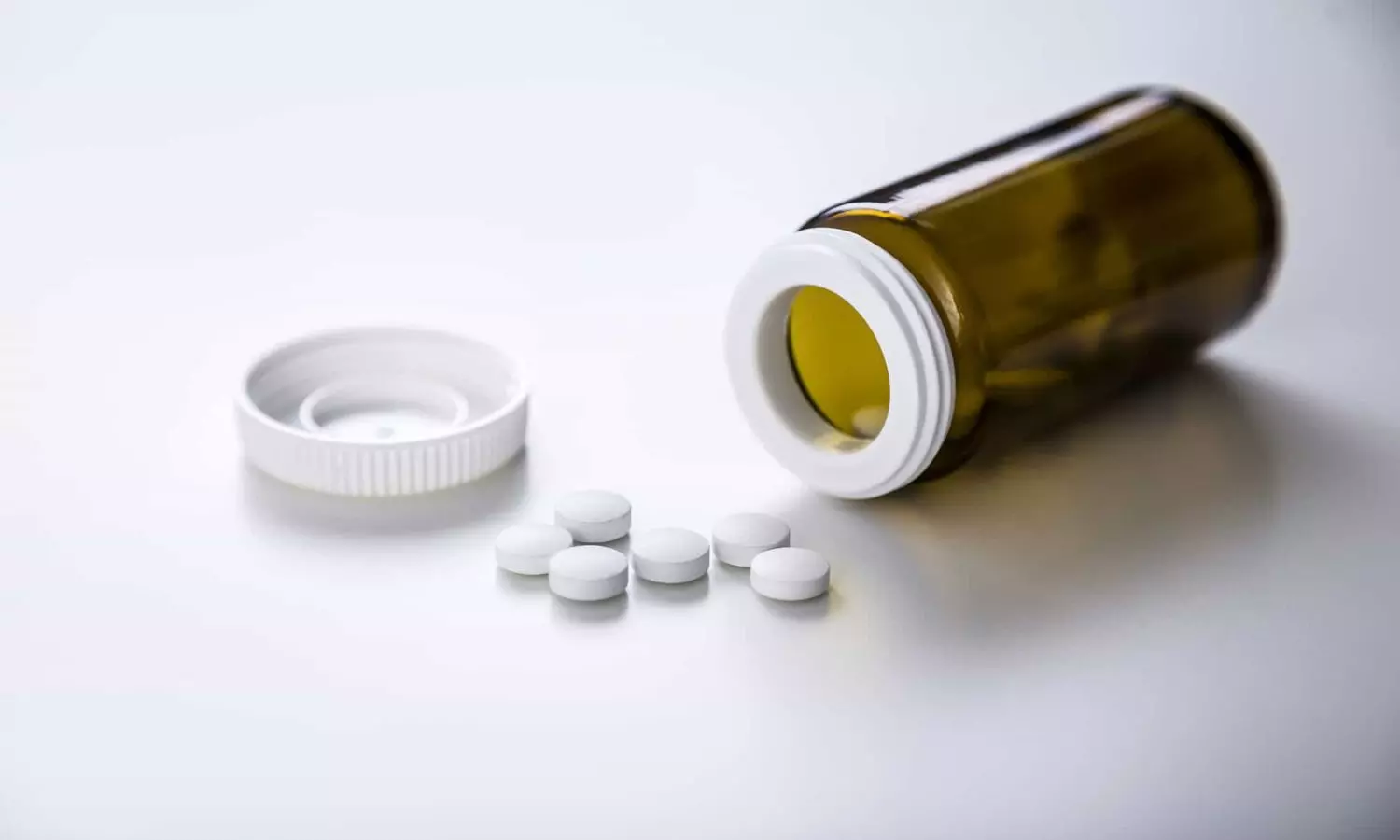
WHO announces the update of several recommendations in the forthcoming guidelines for the treatment of opioid dependence and the community management of opioid overdose.
Opioid dependence remains a major contributor to global morbidity and mortality. An estimated 316 million people worldwide used drugs in 2023, including around 61 million people who engaged in non-medical opioid use. Opioids continue to account for the largest share of the drug-related health burden, including fatal overdose. Of approximately 600 000 deaths attributed to drug use globally, about 450 000 are due to opioid use.
Ensuring that people with opioid dependence-and those at risk of opioid overdose-have access to affordable, ethical, high-quality and evidence-based support and care is essential. Although an estimated 64 million people worldwide are living with drug use disorders, fewer than 10% currently receive treatment.
To support countries in addressing this gap, WHO develops and updates guidelines on the treatment of opioid dependence and community management of opioid overdose. These guidelines aim to expand access to effective care and reduce deaths from opioid overdose through evidence-based recommendations.
In accordance with WHO methods for the guideline development, the updated recommendations were informed by a rigorous process that considered the balance of benefits and harms, values and preferences, cost-effectiveness, equity, acceptability and feasibility. Comprehensive findings from systematic literature reviews of quantitative and qualitative evidence were examined by the Guideline Development Group (GDG), which updated the existing and formulated the new recommendations.
In the updated guidelines, WHO reaffirms its recommendation for the opioid agonist maintenance treatment (OAMT)-defined as the administration of rigorously evaluated opioid agonists by accredited professionals within recognized medical practice to people with opioid dependence to achieve defined treatment goals. Alongside the continued strong recommendations for OAMT with methadone and oral buprenorphine, WHO now extends its guidance to include new formulations of long-acting injectable buprenorphine (conditional recommendation).
Under the oversight of the WHO Guidelines Review Committee, and in consultation with the GDG and the guidelines methodologist, the Steering Group is advancing the peer‑review, finalization, and publication of the full guidelines, which are expected later this year or in early 2027. These guidelines will include detailed recommendations, the supporting rationale, evidence profiles, implementation considerations, identified research gaps, and other relevant information.
Apa Reaksi Anda?
 Suka
0
Suka
0
 Kurang Suka
0
Kurang Suka
0
 Setuju
0
Setuju
0
 Tidak Setuju
0
Tidak Setuju
0
 Bagus
0
Bagus
0
 Berguna
0
Berguna
0
 Hebat
0
Hebat
0