




























Bakkafrost Scotland Officially Opens Its Multi-Million-Pound Applecross Facility
The state-of the art development in Wester Ross is now the United Kingdom’s largest freshwater RAS
The Princess Royal of the United Kingdom (UK) has officially opened Bakkafrost Scotland’s multi-million-pound Applecross facility, marking a major step forward in sustainable Scottish salmon production. The state-of the art development in Wester Ross is the UK’s largest freshwater recirculating aquaculture system (RAS) and is central to the company’s ambition to become the most sustainable Scottish salmon producer.
The facility plays a pivotal role in Bakkafrost Scotland’s ‘one summer at sea’ production strategy, which allows salmon to spend longer growing in ideal controlled freshwater conditions before transferring to sea as larger, stronger smolt. According to the company, the approach is a gamechanger for salmon farming in Scotland, significantly reducing the time fish spend at sea and therefore reducing exposure to the natural challenges.
Ian Laister, managing director of Bakkafrost Scotland, said at the opening: “Applecross represents a significant long-term investment in the future of sustainable salmon farming in Scotland. It reflects our determination to become the most sustainable Scottish salmon producer, it demonstrates how innovation, animal welfare, engineering, renewable energy, and skilled local employment can come together in modern food production.”
Operating 24 hours a day, the Applecross site supports around 40 skilled permanent roles, including biology, veterinary, engineering, energy and technical operations. Employees worked closely with local and international specialists to design, build, and now operate the facility, developing new skills in RAS management, renewable energy integration, and advanced fish health monitoring.
Precise Control
During construction, Bakkafrost Scotland worked extensively with local and regional suppliers, contractors and haulers, supporting jobs across the Highlands and Islands and embedding local knowledge into the project. The company said collaboration with Scottish engineering, civil construction, and energy firms was critical to delivering the complex build in a remote rural location.
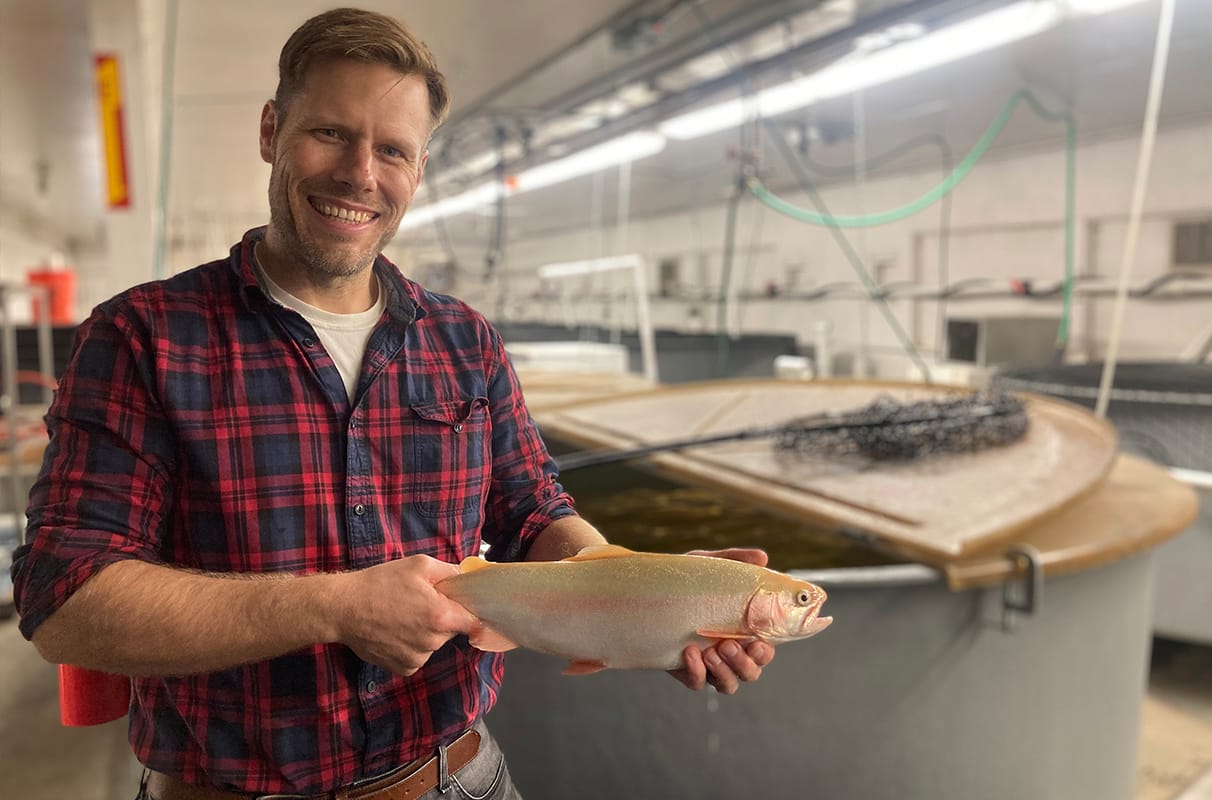
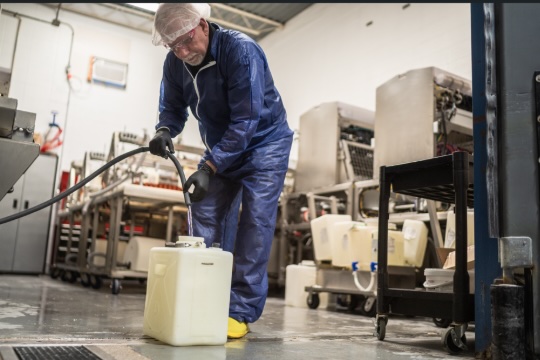
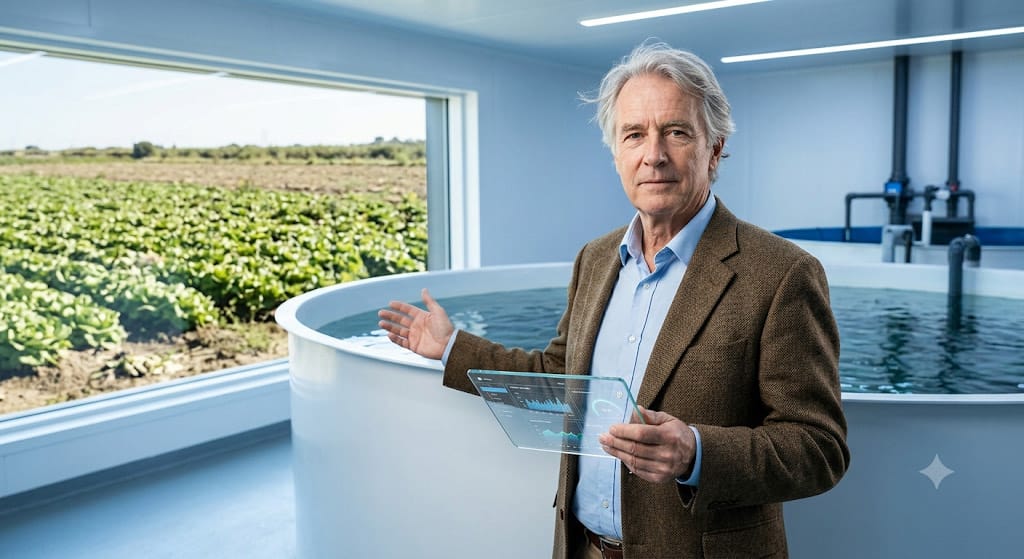
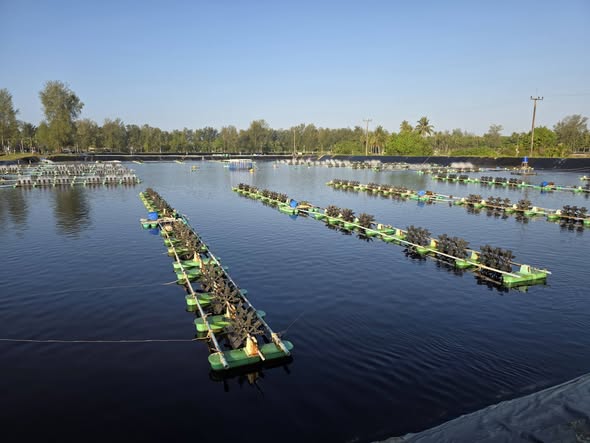
Using RAS technology, the Applecross facility provides precise control of water quality, temperature, and flow, enabling improved husbandry, enhanced smolt health screening, and more effective vaccination, supporting higher fish welfare standards. The site uses significantly less water than traditional hatcheries, with water continuously recirculated through filtration, oxygenation, disinfection, and natural biofilter systems.
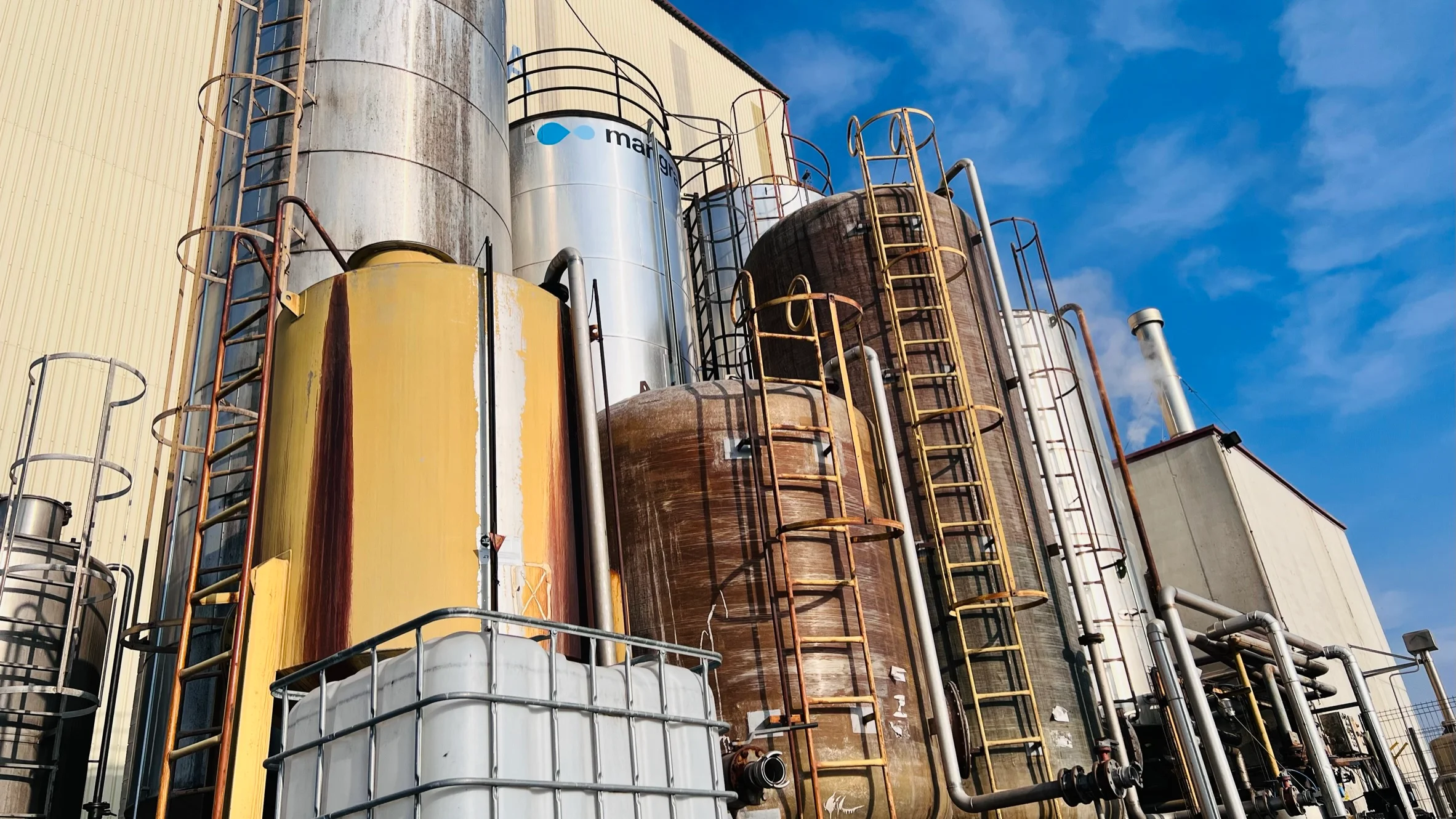
It also includes a multi-million pounds waste to fertilizer conversion system, using UK first pyrolysis technology to transform sludge removed from the RAS process into biochar. This will be the first globally for use in aquaculture. The carbon-rich product can be used locally to improve soil quality for forestry, supporting more circular food systems and significantly reducing waste. The facility is powered directly by renewable energy, including on-site solar and hydro generation.
The Potential to Be a Real Gamechanger
As part of the Applecross development a 26 kilometers private wire was installed across the Beallach na Bà to connect the site directly to renewable hydro power. At the same time Bakkafrost Scotland invested in local road improvements, enhancing safety and accessibility with new passing places and signs, delivering lasting infrastructure benefits for the wider community.
“The ‘one summer at sea’ model has the potential to be a real gamechanger for the sector, improving survival, reducing biological challenges and making better use of natural resources. We were honored to welcome Her Royal Highness The Princess Royal and proud to showcase the people, technology, and community partnerships behind this facility,” commented Laister during the event.
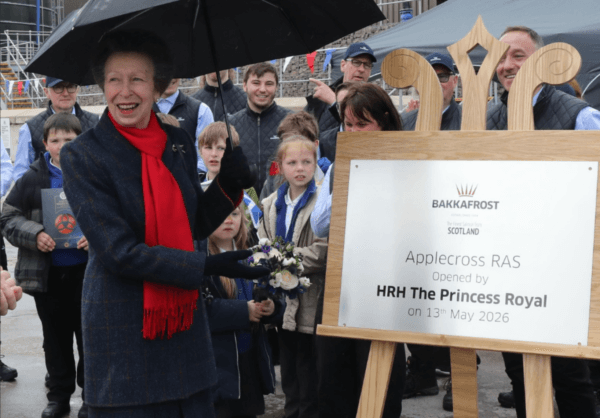
The Princess Royal was welcomed to Applecross by Managing Director Laister, before meeting employees from across the business, including biology, veterinary, engineering, and marine operations teams. She also met representatives from The Applecross Trust before unveiling a plaque to mark the official opening. She also learned how advanced technology is helping improve fish welfare, reduce environmental impact and support high-skilled rural jobs.
Apa Reaksi Anda?
 Suka
0
Suka
0
 Kurang Suka
0
Kurang Suka
0
 Setuju
0
Setuju
0
 Tidak Setuju
0
Tidak Setuju
0
 Bagus
0
Bagus
0
 Berguna
0
Berguna
0
 Hebat
0
Hebat
0