
























Top 5 Brushes for Different Dog Coat Types

The right brush can turn grooming into a pleasant daily ritual. The wrong one can leave your dog itchy, leave their coat tangled, and leave you frustrated. Most pet parents in India own only one brush and use it on every dog they ever have, which rarely works well. Coats differ, and brushes should too.
This guide covers the top five dog brushes for different coat types. You will learn which brush suits your dog's specific coat, how to use it correctly, and how to avoid the common mistakes that damage skin and shorten a coat's shine. By the end, you will know exactly which brush belongs in your grooming kit.
Why the Right Brush Matters
Brushing is more than a style choice. Done correctly, it supports coat and skin health on multiple levels:
-
Removes dirt, debris, and loose fur
-
Distributes natural oils for shine and skin protection
-
Reduces shedding around the house
-
Prevents painful matting, especially in long coats
-
Improves circulation through gentle skin stimulation
-
Helps you spot lumps, fleas, ticks, and skin issues early
The American Kennel Club notes that regular brushing with the right tool supports coat health, reduces stress, and strengthens the bond between dogs and their humans.
Using the wrong brush on the wrong coat is a quiet but common mistake. It can scratch skin, break coat strands, miss the undercoat, or create tangles instead of removing them. Matching the tool to the coat is the first step toward easier grooming sessions.
Understand Your Dog's Coat Type First
Before picking a brush, identify your dog's coat category:
-
Short and smooth coats: Beagles, Boxers, Dachshunds, many Indies
-
Medium coats: Border Collies, Golden Retrievers, Labradors
-
Long and silky coats: Shih Tzus, Maltese, Cocker Spaniels
-
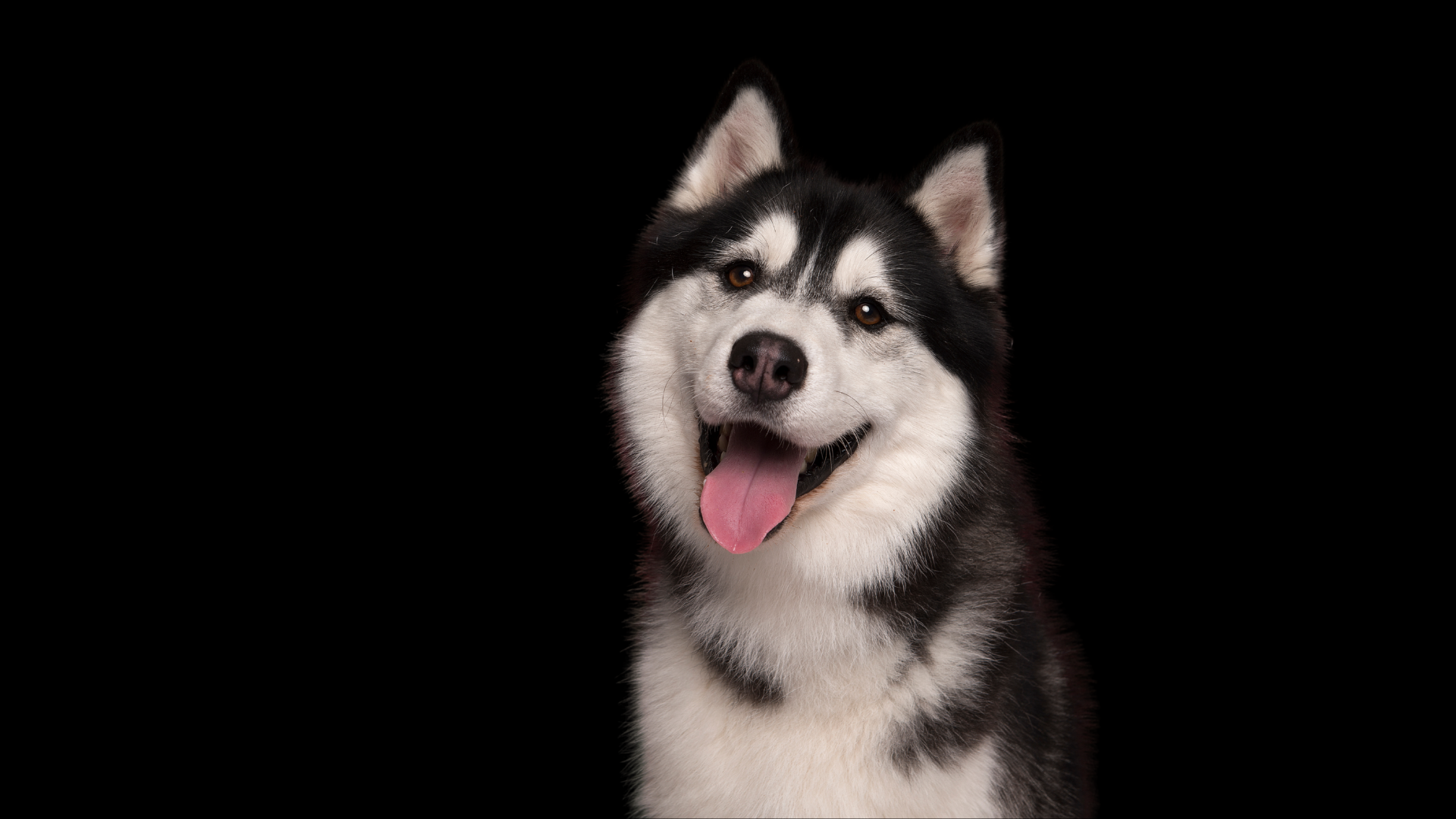
Double coats: Huskies, German Shepherds, Pomeranians, Samoyeds
-
Curly or wavy coats: Poodles, Cockapoos, Bichon Frises
-
Wiry coats: Terriers, Schnauzers, Wire-Haired Dachshunds
Many dogs, especially Indian mixed breeds, have unique coat blends. Watch how your dog's coat sheds, mats, and feels to pick the best brush. If unsure, a quick chat with a professional groomer can help clarify.
Top 5 Brushes for Different Dog Coat Types
Each brush below serves a specific purpose. Some dogs need just one, while others benefit from two or three used in rotation.
1. Bristle Brush (For Short and Smooth Coats)
Bristle brushes have natural or synthetic bristles packed closely together. They gently remove loose hair, dust, and dander without scratching the skin. Ideal for short-coated breeds like Beagles, Boxers, Labradors, Dachshunds, and most Indian mixed breeds.
How to use: Brush in the direction of hair growth using short, smooth strokes. Twice a week is enough to keep short coats glossy.
Best for: Weekly finishing, distributing skin oils, minor dust removal, and calm everyday grooming sessions
Tip: Use light pressure to avoid irritating sensitive skin. Pair with a grooming glove for bonus massage effect.
2. Slicker Brush (For Medium, Long, and Curly Coats)
Slicker brushes have fine, short wires set close together on a flat or slightly curved pad. They pull out loose undercoat, dandruff, and small mats. One of the most versatile tools in any Indian dog parent's grooming kit.
How to use: Brush in sections, working from skin outward. Use gentle pressure to avoid brush burn. 3 to 4 times a week works well for most coats.
Best for: Golden Retrievers, Poodles, Cocker Spaniels, Bichon Frises, Shih Tzus, and dogs prone to tangles
Tip: Look for self-cleaning slicker brushes with a push-button base. They save time and keep the brush hygienic.
3. Undercoat Rake (For Double-Coated Breeds)
Undercoat rakes have widely spaced metal teeth designed to reach through the outer coat and pull out dead undercoat. Double-coated breeds shed heavily, especially during seasonal changes. A regular brush alone simply cannot reach the undercoat.
How to use: Glide the rake in the direction of hair growth with moderate pressure. Use twice a week normally and daily during heavy shedding seasons.
Best for: Huskies, German Shepherds, Samoyeds, Pomeranians, Labrador Retrievers, and Indian Spitz dogs
Tip: Never use an undercoat rake on short-coated breeds. It will scratch skin. Look for rounded-tip versions for gentler grooming.
4. Pin Brush (For Long and Silky Coats)
Pin brushes look similar to human hairbrushes but with rounded tips to protect the skin. They are perfect for finishing touches on long, silky coats and for daily quick grooming between deeper sessions.
How to use: Brush in smooth, long strokes from the skin outward. Ideal for daily light grooming to prevent tangles before they form.
Best for: Maltese, Shih Tzus, Afghan Hounds, Yorkshire Terriers, and Lhasa Apsos
Tip: A mist of leave-in conditioner spray before brushing reduces breakage and keeps long hair silky.
5. De-shedding Tool (For Heavy Shedders)
De-shedding tools have a fine-toothed metal blade that removes loose undercoat without cutting live hair. These tools can reduce shedding by up to 90 percent when used correctly. A must-have for Indian homes with heavy shedders, especially during pre-monsoon and post-monsoon shedding spikes.
How to use: Use once or twice a week for 5 to 10 minutes. Brush in the direction of hair growth with light pressure.
Best for: Labradors, Golden Retrievers, Huskies, German Shepherds, and Indian Spitz dogs
Tip: Never use on puppies under 6 months, on very thin coats, or daily. Over-use damages the outer coat.
Bonus Tools Worth Adding
-
Grooming Glove: Looks like a mitt with rubber nubs. Great for dogs that dislike traditional brushes.
-
Detangling Comb: A metal comb with two sets of teeth that removes knots in long coats
-
Flea Comb: Fine-toothed comb for spotting and removing fleas, especially during Indian monsoon
-
Mat Splitter: Gentle blade that breaks up tough mats without cutting off chunks of coat
Most households benefit from two main brushes plus one or two bonus tools, matched to their dog's specific needs.
How to Brush Correctly
Tool alone is not enough. Technique matters just as much.
-
Brush on a calm day, not right after vigorous play
-
Start with a bristle or pin brush, then move to slicker or rake as needed
-
Work in small sections from head to tail
-
Avoid pulling or yanking mats. Use detangling spray first.
-
Spend extra time on problem areas like behind ears, armpits, and the belly
-
Reward your dog with treats and praise during and after
-
Clean the brush between uses
The American Veterinary Medical Association notes that regular, gentle grooming strengthens the human-animal bond and reduces anxiety in dogs over time.
Final Thoughts
The right brush makes a real difference in your dog's coat, skin, and comfort. Start by identifying your dog's coat type, then pick one or two brushes that match. Add a bonus tool if your dog has specific needs like heavy shedding or matting. Stay consistent, stay gentle, and your dog will actually start looking forward to grooming sessions.
Browse PetsWorld's grooming tools collection to find the right brushes and combs for your dog's coat type.
FAQs
Which is the best brush for Labradors in India?
Labradors do best with a slicker brush for daily maintenance and a de-shedding tool or undercoat rake during shedding seasons. A combo of these two handles most of their grooming needs beautifully, especially during humid Indian months.
How often should I brush my long-coated dog?
Long-coated breeds like Shih Tzus and Maltese usually need daily brushing. Short 10-minute sessions prevent tangles, reduce shedding, and spread natural oils. Long gaps often lead to painful matting.
Can one brush work for all coat types?
Not really. A slicker brush comes closest to being a universal option, but it still misses specific needs of short-coated or double-coated dogs. Most households do better with two or three brushes for the best results.
What is the best brush for Indian Indie dogs?
Most Indies have short-to-medium coats. A bristle brush twice a week works for smooth-coated Indies. Slightly fluffier Indies benefit from a slicker brush plus a de-shedding tool during peak shedding seasons.
Can I use a human brush on my dog?
It is not ideal. Human brushes are not designed for dog coat textures or skin sensitivity. They can scratch, cause brush burn, or miss the undercoat. Always use a dog-specific brush suited to your dog's coat type.
Apa Reaksi Anda?
 Suka
0
Suka
0
 Kurang Suka
0
Kurang Suka
0
 Setuju
0
Setuju
0
 Tidak Setuju
0
Tidak Setuju
0
 Bagus
0
Bagus
0
 Berguna
0
Berguna
0
 Hebat
0
Hebat
0