
















































%20and%20Batch%20Production%20Records%20(BPR).png)















Antibiotic Design Strategy Overcomes Efflux-Mediated Resistance in Preclinical Study
Researchers headed by a team at King’s College London have developed a new way of designing antibiotics that could support the discovery of new treatments for drug-resistant infections.
Designed to overcome one of the ways bacteria escape antibiotic treatment, the Efflux Resistance Breaker (ERB) approach allows researcher to chemically redesign antibiotics so that they are less easily removed from the cells by bacterial efflux pumps. The technology could also help revive antibiotics that have lost effectiveness due to the evolution of efflux-mediated resistance.
Study lead Professor Khondaker Miraz Rahman, PhD, a professor of medicinal chemistry at King’s College London, said: “Antimicrobial resistance is rising, but the number of truly new antibiotics in development remains worryingly low. Our work shows that we can redesign antibiotics so they stay inside bacterial cells at higher concentrations and overcome resistance mechanisms that would normally make them ineffective. This approach could help us design better new antibiotics, but it could also help revive existing antibiotic classes that bacteria have learned to defeat.”
Rahman is senior author of the team’s published paper in Journal of Medicinal Chemistry, titled “Designing Antibiotics with Inherent Resistance to Efflux as a Strategy to Revive Discovery against Multidrug-Resistant Pathogens.”
Worldwide increase in antimicrobial resistance (AMR) is threatening new developments in antibiotics, the authors noted. “The development and approval of new antibiotics are currently being outpaced by the emergence of resistance to existing drugs, a trend that must be reversed to ensure the long-term effectiveness of antibiotics.”
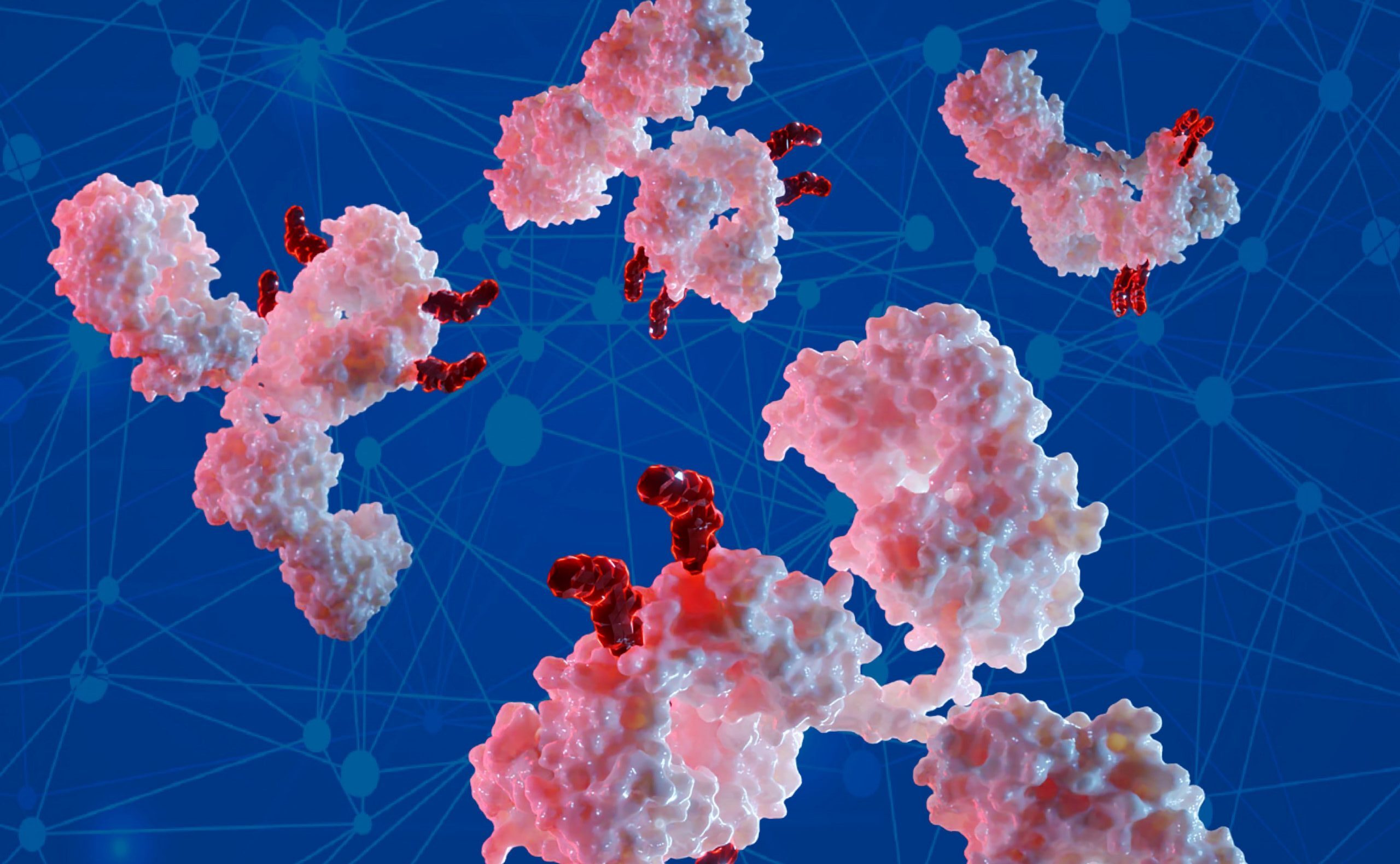
Many bacteria use molecular pumps, known as efflux pumps, to push antibiotics out of the cell before the drugs can reach levels high enough to kill them. This reduces the amount of antibiotic inside the bacteria and allows resistant infections to survive. Previous strategies have tried to combine antibiotics with separate efflux pump inhibitors (EPIs), the team continued. “Efflux pump inhibitors (EPIs) have been pursued as adjunct therapies to safeguard approved antibiotics prone to efflux-based resistance.” However, no EPI has yet been approved. “As well as a lack of mechanistic insight and biochemical information regarding efflux pumps, we opine that this failure is rooted in a fundamental flaw in the EPI-antibiotic combination approach: that the antibiotics remain unmodified substrates and can be effluxed by different pumps despite the presence of EPIs,” the authors noted.
The study by Rahman and colleagues has now shown that antibiotics can be chemically redesigned so they are less easily removed by these pumps. Their approach builds resistance-breaking properties directly into the antibiotic molecule, meaning that the antibiotic is designed to protect itself from being pumped out, allowing it to remain inside the bacterial cell at higher concentrations, and so restoring its ability to kill bacteria even when resistance mechanisms are present.
Importantly, the work shows that the ERB approach could support a new way of developing antibiotics by building resistance-breaking properties directly into their design. In their reported study the team developed ERB-modified fluoroquinolones and demonstrated their effectiveness against multiple bacterial pathogens, and in mouse infection models. The study provides an important proof of concept for antibiotic discovery, showing that maintaining high intracellular antibiotic concentration can help overcome resistance, including in bacteria that already show reduced susceptibility to existing antibiotics. “This study demonstrates that ERB modification enhances intracellular accumulation, reduces efflux susceptibility, and preserves antibacterial potency, as supported by complementary mechanistic, biochemical, and in vivo evidence,” the scientists concluded.
Added J. Mark Sutton, PhD, at the UK Health Security Agency, a key collaborator on this project, “Efflux pumps are a major cause of antibiotic resistance because they reduce the concentration of drug inside the bacterial cell. This study shows that rational chemical design can be used to overcome that problem. By building efflux resistance directly into the antibiotic, we may be able to restore activity against bacteria that are no longer controlled by current drugs.”
The researchers believe the ERB platform could be used as a general strategy to design antibiotics with built-in resilience to efflux-mediated resistance. Their team describes the ERB technology as a framework for developing next-generation antibiotics and for revitalizing existing drugs. “Beyond revitalizing existing drugs, ERB technology provides a general framework for designing next-generation antibiotics with built-in resilience to efflux-mediated resistance at the earliest stages of discovery,” they stated.
The team says it will work towards commercializing the ERB technology and advancing antibiotics developed using this strategy towards clinical development, with the aim of translating this discovery into new treatment options for drug-resistant infections.
The post Antibiotic Design Strategy Overcomes Efflux-Mediated Resistance in Preclinical Study appeared first on GEN - Genetic Engineering and Biotechnology News.
Apa Reaksi Anda?
 Suka
0
Suka
0
 Kurang Suka
0
Kurang Suka
0
 Setuju
0
Setuju
0
 Tidak Setuju
0
Tidak Setuju
0
 Bagus
0
Bagus
0
 Berguna
0
Berguna
0
 Hebat
0
Hebat
0