























































Are technicians part of the team? Breaking down the lab-clinic divide
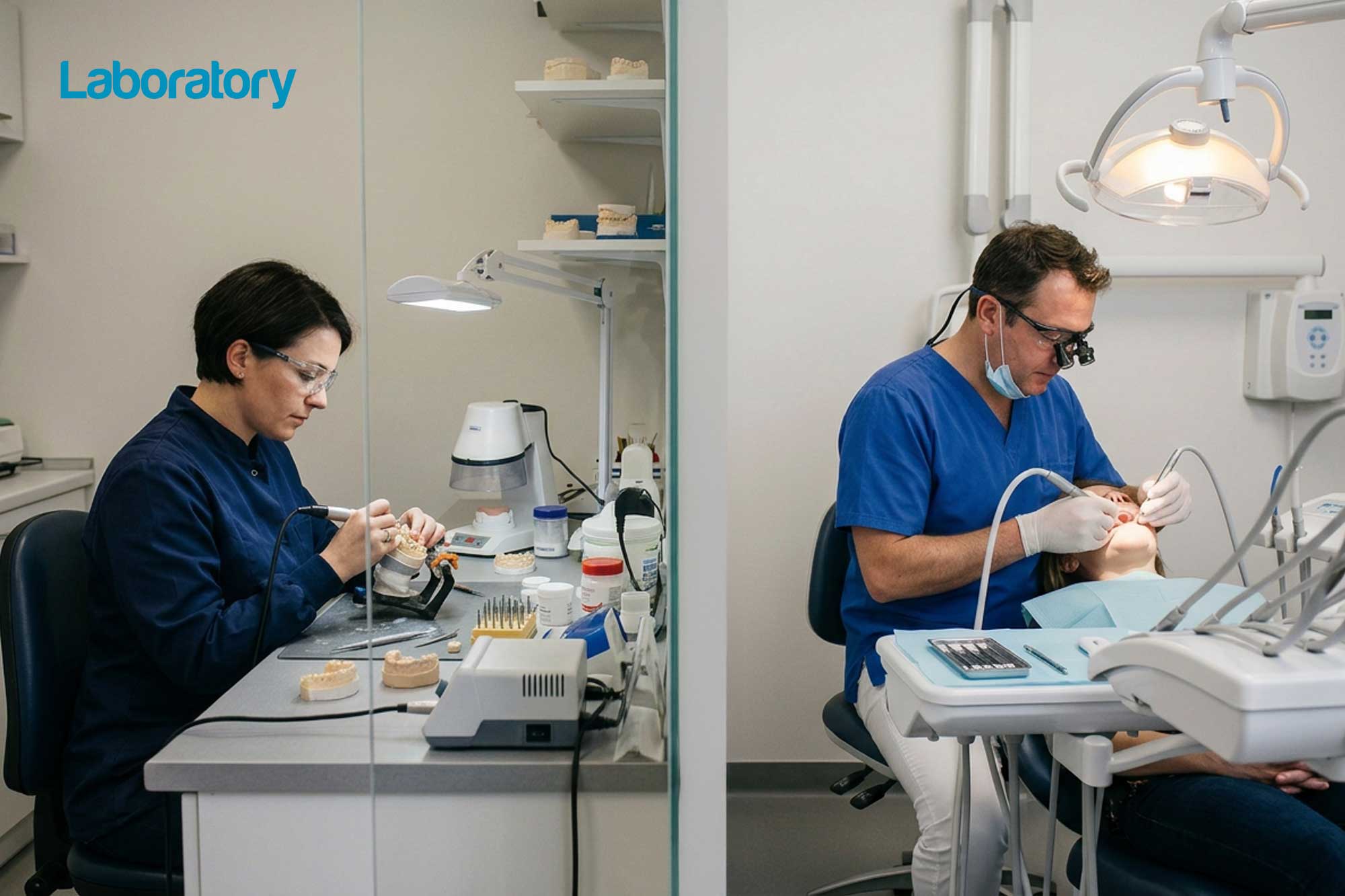
Andrea Johnson explores why laboratories are still treated as outsiders – and how closer lab-clinic collaboration could help.
Describe the relationship between dental labs and the rest of the team today
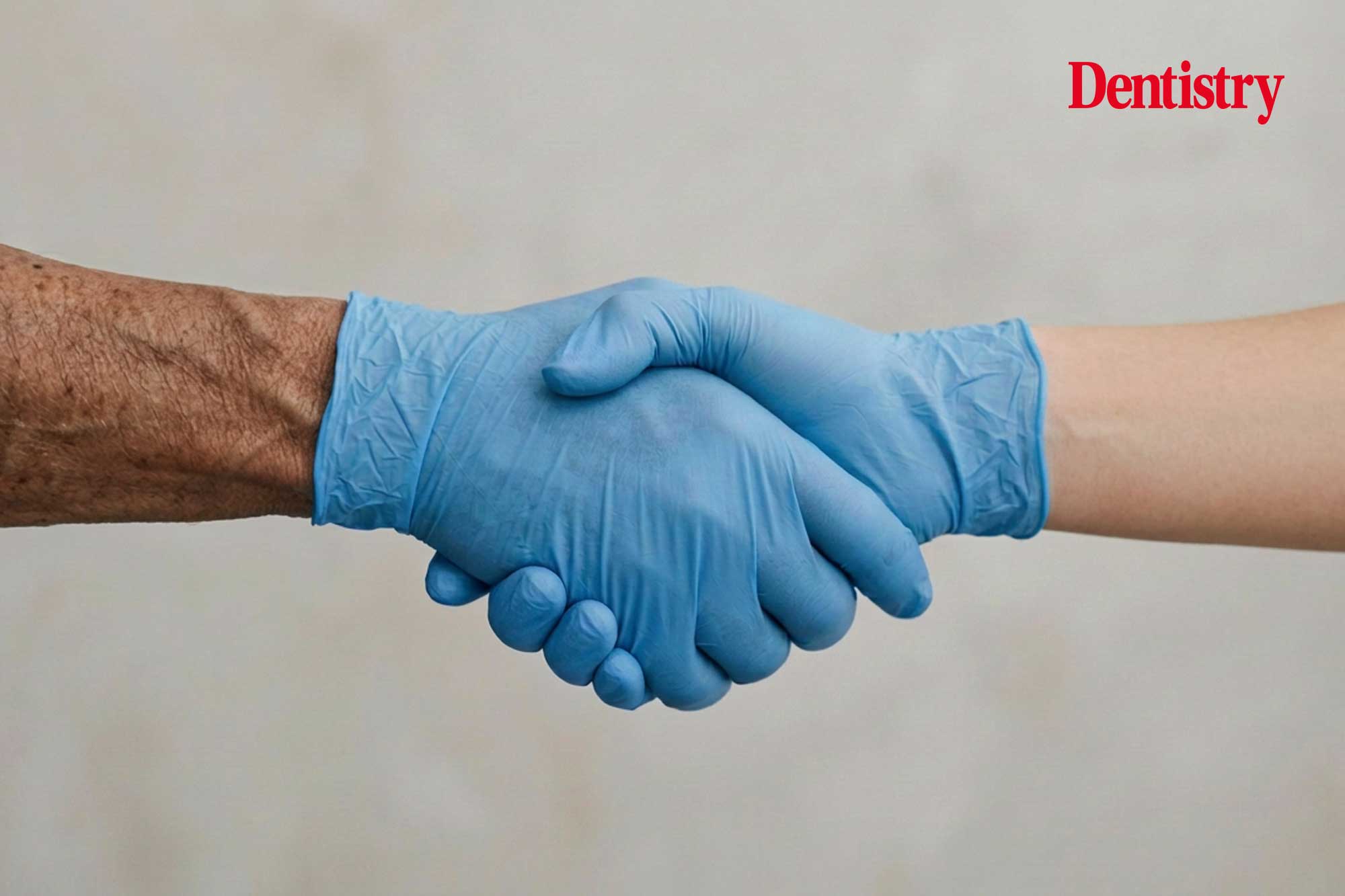
There is a significant separation between the two. While it is potentially better than it was, there is still a long way to go. There is still very much a ‘them and us’ dynamic, and the blame can be attributed to both clinics and technicians. Communication needs vastly improving – we need to work on that to eliminate the divide.
What would you say the main drivers of that division are?
I think it is a mixture of structure, communication and economics. There is not one single cause. Quite often – or in the majority of cases now – the lab is not on site, so we do not have that same collaborative relationship.
I work in a hospital, so I am based at the end of the clinic and people are in and out of here all the time. If they have a tricky case, they will come and consult me. Labs that are not attached to a clinic are treated almost as outside suppliers, rather than as an integral part of the team.
I worked in a private lab for my first couple of years and did not speak to a dentist once during that entire time. There is a massive disconnect for the lab in that situation because you are not connecting the work to a patient as easily.
A lot of technicians do not feel confident enough to offer an alternative solution, even if they have contact with the dentist, because they do not always get a good response. The attitude can be: ‘Well, I am the dentist; you do as you are told.’ So, there is an element of feeling inferior.
Communication needs vastly improving – we need to work on that to eliminate the divide.
What impact do you think this divide has on the lab community?
It makes some people quite bitter, disillusioned and angry. They feel they are treated unfairly. There are always going to be differing perspectives on either side, but some do treat technicians as though they are inferior. I have had young trainees come through the hospital system and say, ‘I wish things were back to the way they used to be historically, when the dentist was in charge.’
It really affects morale and makes a lot of people feel they are not treated well. If people do not feel valued, they become disenchanted. They do not do their best work because they feel unappreciated, and it becomes a downward spiral. It is difficult to recover once they get into that mindset.
There is definitely a lab-clinic divide, where the clinical side is considered to be dentistry – the important stuff – and the lab is seen merely as something that supplies it. You see it in the way regulators and insurers treat people, as well as across the wider support network and regulatory framework. The clinic and the lab are treated differently.
How did COVID-19 amplify the divide?
During COVID-19, labs were disproportionately neglected, and this deepened the lab-clinic divide. All we kept hearing about was the financial support clinics were getting. They were getting paid even though they were unable to practise because they had been told they could not work. They also received substantial PPE provisions.
There was so much support for clinics, yet many of them had not even paid their lab bills, so a lot of technicians were struggling. Labs received only the standard help available to general businesses on the high street. They were treated as a generic commercial entity and did not receive any support from the dental sector because they were not considered clinical.
The phrase ‘dental family’ was used frequently during that time, but little action followed. If you were not clinical, you were effectively left behind. It did not matter what we said or how we put it; there was no compromise.
It did not matter what we said or how we put it; there was no compromise.
Quite a lot of labs went under as a result, fostering significant anger and resentment. It also undermined all those years of trying to bring people together as a team.
In an ideal world, what would great collaboration look like, day to day?
Regular communication. That could mean giving us better information on prescriptions, sending a photo or having more calls. A dentist, or someone suitable to represent them, could ring and say, ‘I am just going to talk this case through with you,’ or, ‘Can you pop in? I have got this really awkward case coming up.’
That is one of the best things about my job here: they involve me. Not only can I discuss the case and the different treatment options with the dentist, but I also learn what the patient’s expectations are. I can explain to the patient what is and is not possible.
Patients are often much more responsive because they can discuss the design, feel that they have had some input and know that I am taking their wishes into account when I construct their appliance.
What would move the needle to improve this relationship, and who needs to lead it?
I do not think I could name one specific person or group. We need a cultural change within the dental industry, with numerous different parts coming together with a more team-orientated mindset.
If we automatically treated everyone as part of the team, rather than thinking of the clinical team and then everyone else, I think that would really help. It does not help that we are not on site, but we need to make sure it is not a case of out of sight, out of mind.
I think we need more non-dentists in senior leadership positions – within the regulators, the chief dental officer’s (CDO) office, insurance companies and other organisations involved in administration, management and policy.
If we had a genuine mix of people, we would have ideas coming from all the different areas of dentistry and could build a much bigger picture of what is happening across the whole dental field. Once we start doing that, I think we will see much more progress.
Is there anything else you would like to add?
Ultimately, I just want the dental team to come together and integrate for the benefit of the patient. The better we work together, the better the results will be for patients and for us as a profession. It makes our lives easier, more enjoyable and much smoother.
If people were simply a bit nicer to each other, the world would be a better place.
Create a free account for unlimited access — plus the Dentistry Bulletin delivered to your inbox.
Apa Reaksi Anda?
 Suka
0
 Kurang Suka
0
 Setuju
0
 Tidak Setuju
0
 Bagus
0
 Berguna
0
 Hebat
0