



















































%20and%20Batch%20Production%20Records%20(BPR).png)















Chronic Urticaria Patients More Likely to Have IBS, SIBO: Study Suggests
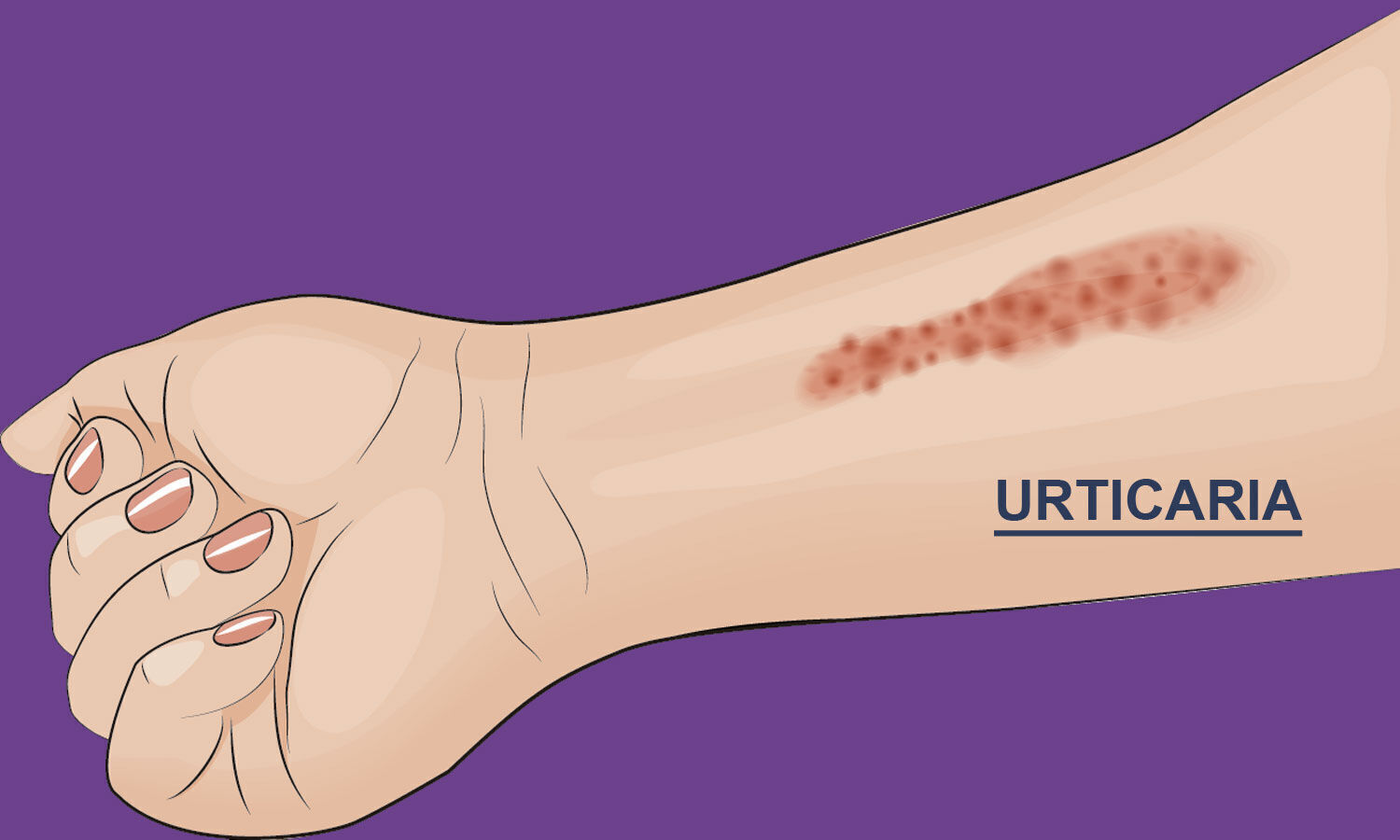
USA: Researchers have reported a potential link between chronic idiopathic urticaria and certain gastrointestinal disorders, including irritable bowel syndrome and small intestinal bacterial overgrowth, in a recent study published in The Journal of Allergy and Clinical Immunology. The research was led by Madison Bellamy from the University of Iowa and colleagues.
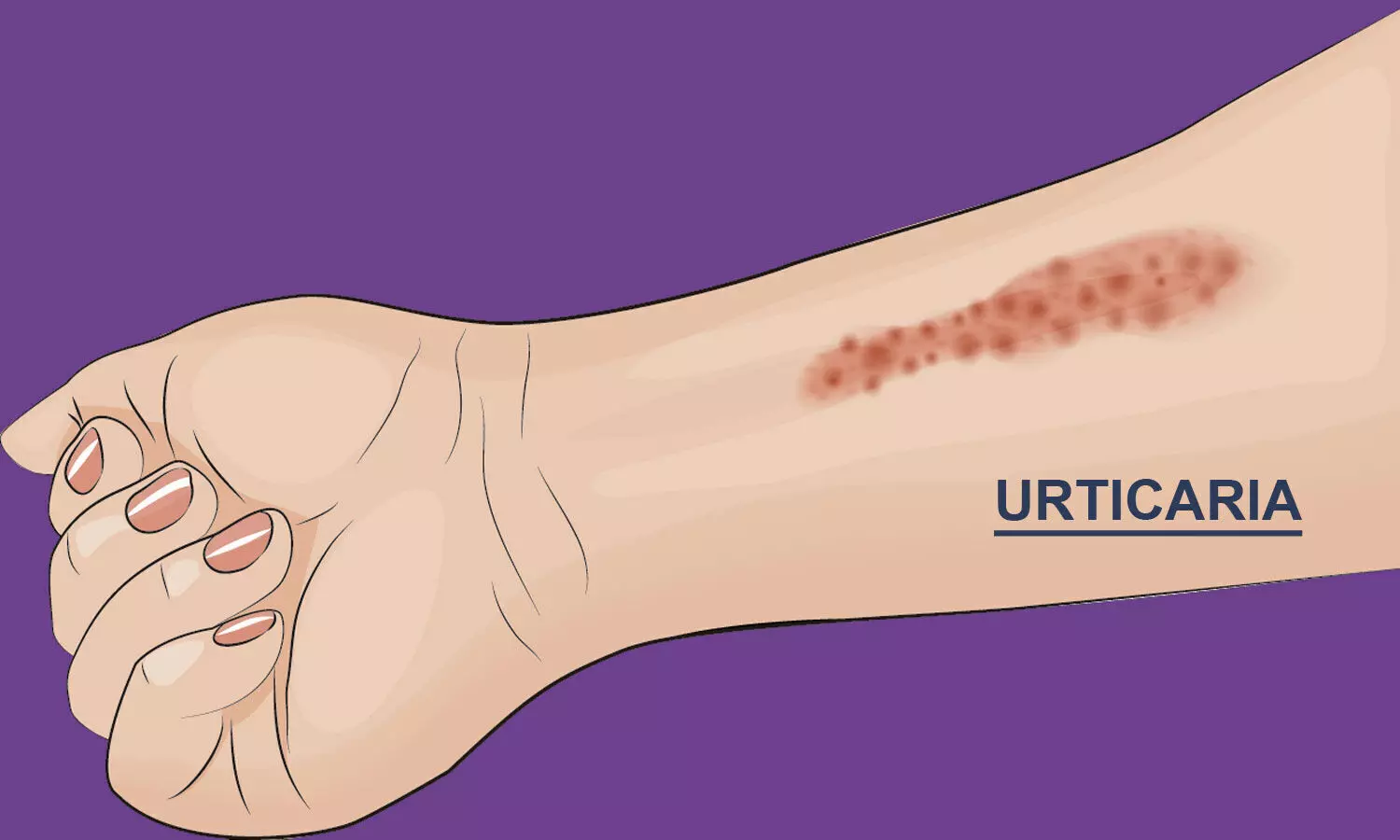
Chronic urticaria, commonly referred to as chronic hives, is a condition characterized by recurring itchy wheals lasting for more than six weeks. Previous research has suggested associations between chronic urticaria and gastrointestinal conditions such as Helicobacter pylori infection and non–H. Helicobacter pylori peptic ulcer disease.
Building on these observations, the investigators aimed to determine whether similar relationships exist with other digestive disorders, particularly irritable bowel syndrome (IBS) and small intestinal bacterial overgrowth (SIBO). The study was partly motivated by clinical observations indicating that patients with chronic urticaria often reported symptoms consistent with these gastrointestinal conditions.
For the analysis, the researchers used the Epic SlicerDicer analytics platform to examine patient records at their institution. The database included approximately four million individuals treated between January 1, 2008, and May 1, 2025. Using this dataset, the team identified patients diagnosed with both chronic idiopathic urticaria and either IBS or SIBO. In total, 172 patients had both chronic idiopathic urticaria and IBS, while 41 patients were diagnosed with chronic idiopathic urticaria along with SIBO.
Key Findings:
- The analysis identified a strong statistical association between chronic urticaria and the gastrointestinal disorders studied.
- The risk ratio for having both chronic urticaria and irritable bowel syndrome was 14.126.
- The risk ratio was even higher, at 17.978, for patients diagnosed with both chronic urticaria and small intestinal bacterial overgrowth.
- These results suggest that individuals with chronic urticaria may have a significantly higher likelihood of also having these gastrointestinal conditions compared with the general patient population.
To better understand patient characteristics, the researchers conducted a chart review. Patients with both chronic urticaria and irritable bowel syndrome (IBS) were more often female and frequently had comorbid conditions such as hypothyroidism and fibromyalgia.
The authors noted that both chronic urticaria and IBS are primarily clinical diagnoses rather than conditions confirmed by specific tests. Over the past two decades, publications on IBS and small intestinal bacterial overgrowth (SIBO) in PubMed have increased, reflecting growing awareness and improved recognition of these disorders.
However, the study does not establish a direct causal relationship between chronic urticaria and these gastrointestinal conditions. Further research is needed to explore possible shared mechanisms, including immune dysregulation, inflammation, or changes in the gut microbiome.
Overall, the researchers concluded that the observed association between chronic idiopathic urticaria, IBS, and SIBO warrants further investigation and may help guide future diagnostic and management strategies.
Reference:Bellamy, M., Dovalovsky, K., Berei, J., Kale, K., & Davis, B. (2026). Chronic Idiopathic Urticaria and Its Association with Irritable Bowel Syndrome and Small Intestinal Bacterial Overgrowth. Journal of Allergy and Clinical Immunology, 157(2), AB11. https://doi.org/10.1016/j.jaci.2025.12.036
Apa Reaksi Anda?
 Suka
0
Suka
0
 Kurang Suka
0
Kurang Suka
0
 Setuju
0
Setuju
0
 Tidak Setuju
0
Tidak Setuju
0
 Bagus
0
Bagus
0
 Berguna
0
Berguna
0
 Hebat
0
Hebat
0

Edusehat
Platform Edukasi Online Untuk Komunitas Kesehatan Agar Mendapatkan Informasi Dan Pengetahuan Terbaru Tentang Kesehatan Dari Nasional Maupun Internasional. ||
An online education platform for the health community to obtain the latest information and knowledge about health from both national and international sources.