


















































%20and%20Batch%20Production%20Records%20(BPR).png)















Complete Connectome of Fruit Fly Central Nervous System Now Open-Source

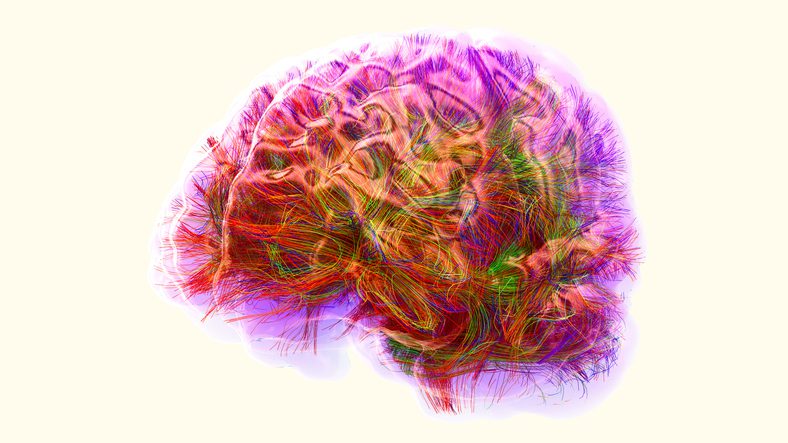
A new study published in Nature titled, “Distributed control circuits across a brain-and-cord connectome”, describes a complete wiring diagram of all the connections between neurons in the central nervous system of an adult fruit fly for translational applications.
The work was completed by an international team led by multiple labs at Harvard Medical School (HMS) and Princeton University. The team has made the entire connectome accessible online to propel research into complex behaviors and other fundamentals of the nervous system.
The fruit fly, Drosophila melanogaster, offers an effective model as they are easy to breed and maintain in the lab. Despite having a relatively simple nervous system made up of around 160,000 neurons, they exhibit complex behaviors such as navigation, social interaction, learning, and responding to sensory cues.
To build the connectome, the team used electron microscopy to produce millions of images of neurons and neural connections. AI tools aligned the images into a cohesive 3D map.
“It is really important to have a central nervous system connectome that is as complete as possible so we can link up the brain and body and start thinking about behavior holistically,” said Wei-Chung Allen Lee, PhD, associate professor of neurobiology at HMS and co-corresponding author on the study.
The connectome shows how each neuron connects in the brain and nerve cord at the synapse level. While the map doesn’t span the fly’s entire body, the team used identifiable neurons and literature review to connect the central nervous system to neurons in appendages and sensory organs.
The authors have already used the connectome to explore motor control. While a longstanding idea in neuroscience is for a centralized controller in the brain to make decisions about actions, the authors discovered that motor control in the fruit fly mostly occurs at a local level. For example, movement of a fly’s leg is primarily controlled by the neural circuits for that leg. The local circuits for one leg then communicates with other appendages to carry out complex coordinated movements, such as walking.
“The brain and nerve cord connectomes are each useful on their own, but until you can bridge the two, it’s hard to understand how information moves between the brain and the body,” said co-first author Helen Yang, PhD, a research fellow in neurobiology at HMS.
Looking ahead, the researchers plan to add more information to the connectome, including data describing neuropeptides, molecules that support neuron communication. Insights from the connectome may reveal fundamental principles about how nervous systems operate across species, including in humans.
The post Complete Connectome of Fruit Fly Central Nervous System Now Open-Source appeared first on GEN - Genetic Engineering and Biotechnology News.
Apa Reaksi Anda?
 Suka
0
Suka
0
 Kurang Suka
0
Kurang Suka
0
 Setuju
0
Setuju
0
 Tidak Setuju
0
Tidak Setuju
0
 Bagus
0
Bagus
0
 Berguna
0
Berguna
0
 Hebat
0
Hebat
0