














































%20and%20Batch%20Production%20Records%20(BPR).png)















Integrating Liver Diagnostic Technologies With EHR Systems: Key Considerations

Modern healthcare depends on timely diagnostic data to guide treatment decisions, particularly for complex conditions like liver disease. As medical device technology advances, the challenge shifts from generating diagnostic information to incorporating it seamlessly into Electronic Health Record (EHR) platforms where clinicians can access and act on it. Integration requires attention to interoperability standards, data security and workflow design.
The Growing Need for Seamless Medical Device Data Integration
Over 90% of Canadian primary care physicians use EHRs. Healthcare facilities increasingly recognize that medical device data integration remains essential to comprehensive patient care. However, routine use lags behind technical capabilities.
Just 13.2% of Canadian adults report having electronic access to core components of their health records. When diagnostic data remains isolated from the patient’s complete health record, clinicians may lack the context needed to interpret results effectively or miss critical connections between health indicators.
Key Challenges in EHR and Diagnostic Tool Interoperability
Several technical and organizational barriers prevent health organizations from achieving true integration. Understanding these obstacles helps administrators prioritize resources and develop effective strategies.
Overcoming Data Silos and Proprietary Formats
Medical devices and information platforms often fail to communicate effectively because they lack common data protocols. This semantic misalignment across healthcare standards creates isolated information repositories, preventing clinicians from accessing a unified view of patient health.
Even when devices produce accurate data, inconsistent formatting and terminology make it difficult to incorporate that information into the clinical record. Manufacturers use proprietary coding approaches that require custom interfaces or manual translation, driving up complexity and cost.
Ensuring Data Security and Patient Privacy
As more devices connect to hospital networks, each connection point represents a potential security vulnerability. Organizations must implement strong safeguards to protect patient information while complying with the Personal Information Protection and Electronic Documents Act. Medical organizations must consider the federal and provincial or territorial privacy requirements when connecting devices from multiple manufacturers with varying security protocols.
Core Benefits of a Unified Diagnostic Data System
Successful integration delivers substantial value spanning clinical decision-making, workflow efficiency and patient care quality.
Enhancing Clinical Decision-Making at the Point of Care
Immediate access to diagnostic information within the EHR supports faster, more informed clinical decisions. When organizations prioritize point-of-care diagnostics EHR integration, physicians can review test results alongside historical data, medication lists and related patient information without switching systems.
Research shows 73% of Canadian physicians can electronically receive lab and diagnostic data. However, only 29% of physicians can electronically exchange comprehensive patient summaries with outside providers. Proper integration aims to close this gap by delivering information when and where clinicians actually need it.
Improving Workflow Efficiency and Reducing Manual Errors
Automated data flow eliminates the administrative burden of manual transcription while reducing errors. When staff manually enter numeric values, units of measurement or patient identifiers, mistakes become more likely. Automation allows clinical teams to redirect time previously spent on data entry toward direct patient care.
The Role of Modern Interoperability Standards
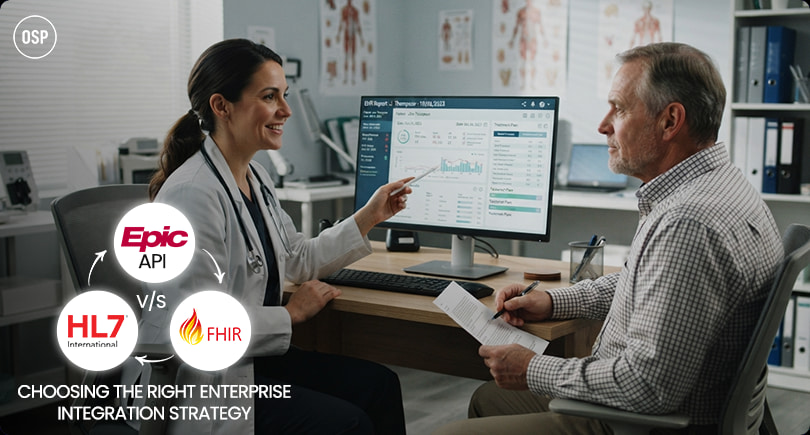
Industry-wide protocols provide the common language needed to overcome data siloes. Health Level Seven International standards and the newer Fast Healthcare Interoperability Resources (FHIR) specification enable different platforms to exchange information reliably. Yet challenges remain.
The industry trend toward standards-based APIs, such as FHIR, promises true interoperability, enabling platforms to exchange data without custom interfaces.
Echosens: A Case Study in Advanced Liver Assessment
Echosens demonstrates how specialized diagnostic technology connects with health information infrastructure. The company specializes in noninvasive liver diagnostics, with its FibroScan product line using vibration-controlled transient elastography to assess liver disease. This method generates quantitative data that naturally integrates with EHR platforms.
An extensive research foundation supports the clinical validity of the technology. Over 6,270 peer-reviewed publications examine its applications and outcomes, reflecting robust clinical validation and Echosens’ market leadership in noninvasive liver assessment.
The FibroScan approach uses transient elastography exclusively, with a product line that does not include ultrasound components, representing a focused method that delivers specific, actionable data points for clinical decision support.
Preparing Health Systems for Future Diagnostic Integration
Strategic planning for diagnostic technology requires assessing current infrastructure, identifying interoperability gaps and committing to standards-based solutions. Healthcare administrators should evaluate whether their platforms support modern data exchange protocols.
As the healthcare industry moves toward more connected environments, organizations that prioritize interoperability can more readily adopt innovations that improve patient outcomes while maintaining operational efficiency.
The post Integrating Liver Diagnostic Technologies With EHR Systems: Key Considerations appeared first on Hospital News.
Apa Reaksi Anda?
 Suka
0
Suka
0
 Kurang Suka
0
Kurang Suka
0
 Setuju
0
Setuju
0
 Tidak Setuju
0
Tidak Setuju
0
 Bagus
0
Bagus
0
 Berguna
0
Berguna
0
 Hebat
0
Hebat
0









