







































%20and%20Batch%20Production%20Records%20(BPR).png)














Drip feeding your pension: could small, regular contributions make a big difference?
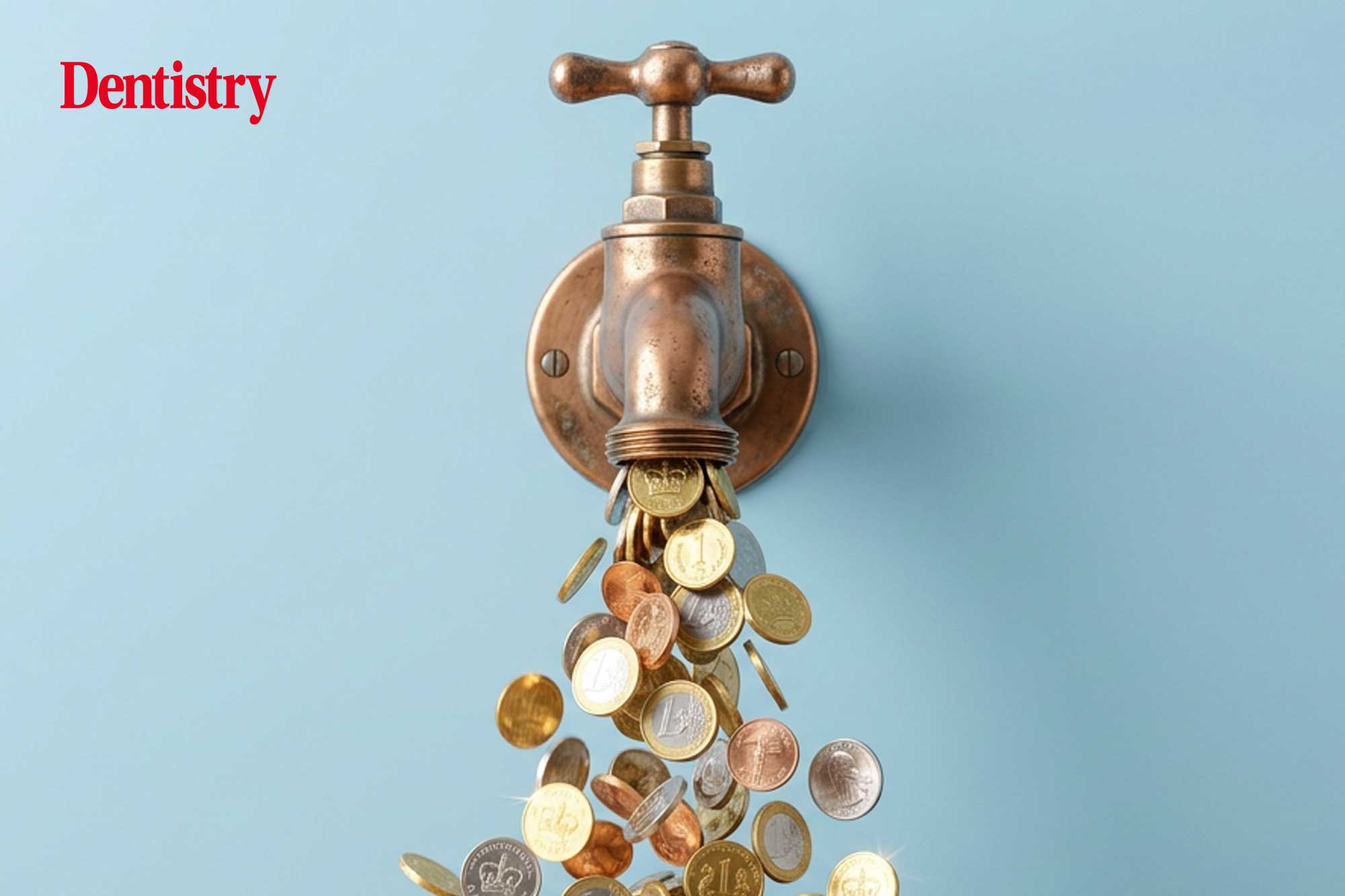
Pension planning doesn’t have to be a year-end scramble – for dentists, regular drip feeding contributions could offer a more manageable way to balance cash flow, tax allowances and long-term retirement goals.
When you’re busy caring for patients, running a practice and managing the day-to-day demands of dentistry, pension planning can easily become something you’ll ‘get around to’. Then the end of the tax year approaches.
Suddenly, you’re looking at your income, tax position and pension allowances, and wondering whether you should make a large pension contribution before 5 April. But pension planning doesn’t have to be a once-a-year exercise.
For some dentists, ‘drip feeding’ could offer a more manageable way to keep retirement planning on track. Simply put, drip feeding means making regular contributions into a personal pension throughout the year, rather than relying on a lump sum.
Why wait until the end of the tax year?
There can be good reasons to make a lump sum contribution. By the end of the tax year, you may have a clearer picture of your income and how much you can afford to contribute. However, leaving pension planning until the final few weeks can create unnecessary pressure.
For dentists, income isn’t always straightforward. You may have NHS earnings alongside private income, profits from your practice or revenue from a limited company. Your circumstances could also change significantly during the year.
Regular pension contributions can help make saving for retirement part of your wider financial plan, rather than another job for the year-end to-do list.
Making pension contributions more manageable
One of the simplest benefits of drip feeding is cash flow. Rather than finding a significant lump sum of money for a pension contribution in one go, spreading contributions throughout the year could make them easier to accommodate alongside your other commitments.
For a practice owner, that might include salaries, equipment, premises and investment in the business. Personally, there could be a mortgage, school fees, holidays and other costs competing for your income. Regular contributions can help you balance saving for tomorrow with the financial demands of today.
It doesn’t necessarily have to be one or the other, either. Depending on your circumstances, you could make regular contributions throughout the year and still consider an additional lump sum later if appropriate.
Keeping an eye on your annual allowance
For the 2026/27 tax year, the standard pension annual allowance is £60,000. This is the maximum amount that can generally be saved into your pensions each tax year before an annual allowance tax charge applies. However, it’s important not to assume that £60,000 is automatically your personal limit.
For higher earners, the tapered annual allowance can reduce the amount available. Tapering can apply if your threshold income is more than £200,000 and your adjusted income is more than £260,000. This can be particularly relevant for dentists whose income comes from several sources, or whose earnings fluctuate from one year to the next.
There’s another important consideration for NHS dentists. The annual allowance doesn’t only relate to contributions you make into a personal pension. Growth in defined benefit pension arrangements, such as the NHS Pension Scheme, can also count towards your annual allowance.
This can make working out how much scope you have for additional pension saving more complicated than simply checking how much you’ve personally paid in.
Tax treatment depends on individual circumstances and may be subject to change in the future.
Could you carry forward unused allowance?
If you haven’t made full use of your pension annual allowance in previous years, you may be able to carry forward unused allowance from the previous three tax years, subject to the relevant rules.
For the 2026/27 tax year, that means potentially using unused annual allowance from 2023/24, 2024/25 and 2025/26. This can provide additional flexibility, particularly if your earnings have increased or you’re looking to boost your retirement savings.
However, carry forward (like the annual allowance itself) can become complex when you have different pension arrangements or a changing income. Understanding what you’ve already used before deciding what to contribute is important.
Regular investing can smooth the journey
There can also be an investment benefit to drip feeding contributions into a personal pension. Investing regularly means your money enters the market at different points rather than all on one day. When prices are lower, your contribution buys more units. When they’re higher, it buys fewer.
This is sometimes called pound cost averaging. It doesn’t guarantee better returns or protect you from investment losses, but it can reduce the risk of committing your entire contribution immediately before a market fall.
More importantly, regular investing can encourage a consistent, long-term approach, rather than trying to predict when markets will rise or fall.
The value of investments can go down as well as up, and you may get back less than you originally invested.
Your pension should evolve with your career
Dentistry can change considerably over the course of a career, and your pension strategy may need to change with it. Perhaps you’re increasing the amount of private work you do and reducing your NHS commitment. Maybe you’re buying a practice, incorporating, planning a sale or beginning to think seriously about retirement.
Changes like these can affect both your income and the way you build retirement benefits. That’s why pension planning is about more than deciding how much to contribute. It’s about understanding the retirement income you already have, what you might need in future and how the decisions you make today fit into the bigger picture.
Regularly reviewing your pension arrangement can help you adjust your plans as your career develops.
Make every pension decision count
Pension planning doesn’t always have to involve one big decision. A series of smaller, considered steps throughout your career can help you keep moving towards the retirement you want.
Wesleyan Financial Services’ specialist financial advisers understand the financial complexities that come with a career in dentistry – whether it’s NHS pension benefits, increased private practice, pension tax considerations or retirement planning.
Whatever your circumstances, it’s wise to take some time to see where your pension stands and what your next steps could be. Get specialist pension guidance designed for dentists today.
Please note: Charges may apply. You will not be charged until you have agreed to the services you require and the associated costs. Learn more at www.wesleyan.co.uk/charges.
This article is sponsored by Wesleyan Financial Services.
Apa Reaksi Anda?
 Suka
0
Suka
0
 Kurang Suka
0
Kurang Suka
0
 Setuju
0
Setuju
0
 Tidak Setuju
0
Tidak Setuju
0
 Bagus
0
Bagus
0
 Berguna
0
Berguna
0
 Hebat
0
Hebat
0