









































%20and%20Batch%20Production%20Records%20(BPR).png)

















Why understanding age-friendly care is a prerequisite to practice
Marion Howard, MD, FACP
Advances in science, technology, health care, and public health have all contributed to increased life expectancy. A longer lifespan is one of modern medicine’s greatest achievements, but it also presents us with new challenges. For some people, living longer doesn’t always mean living well. My goal as a physician is to help older adults to age with dignity, independence and choice, whether they are running marathons, dealing with multiple chronic conditions, or need a little help for daily living like grocery shopping or driving to and from medical appointments.
By 2030, 1 in 5 Americans will be aged 65 or older. For the first time in U.S. history, older adults are projected to outnumber children. This begs the question: is our health care system prepared for the emerging demographic realities? For the most part, care for older adults remains fragmented and inconsistently tailored to the unique needs of aging patients. And while geriatrics play a critical role, the responsibility for delivering age-friendly care cannot rest with one specialty alone. Every physician — from primary care to surgery to emergency medicine — must care for older adults as part of routine practice.
As medicine continues to advance, the demand for thoughtful, evidence-based care for older adults will only grow. Our health system must be ready to support patients at every point of care across specialties, tailored to older adults’ needs. This means ensuring future physicians are trained to deliver age-friendly care and for those currently practicing, prioritizing continuing medical education in the care of older adults.
The ageism problem
When done well, training and curricula for physicians and clinicians will help counter ageism, which, in health care, often treats older adults like children. For example, dictating treatment plans to older adults instead of involving them in their creation, automatically attributing concerns to age rather than investigating their causes, and using patronizing language. Research shows as many as one in three older adults say their preferences are rarely or never considered by their clinicians.
Ageism persists in part because it is frequently embedded in everyday and clinical interactions without malicious intent or even conscious awareness. However, for the person on the receiving end, the intention doesn’t matter. The consequences can be severe, and, in the moment, include missed diagnoses, lack of awareness of physical and mental health concerns, mismanaged pain, and worse. Over time, ageism can steer older adults away from health care, avoiding help when they really need it.
The results are staggering as ageism drives $63 billion a year in unnecessary health care spending while driving down outcomes and satisfaction on both sides of the patient-physician relationship. Whether viewed through a human or economic lens, misunderstanding the needs of older adults ultimately undermines the quality, trust, and outcomes our health system strives to deliver.
How care differs for older adults
Caring for older adults differs from caring for younger adults in two important ways. First, older people respond differently to illness, medications, tests, and procedures. Physical resilience declines over time, certain medications are metabolized differently, and recovery from invasive interventions can become more difficult. For example, levothyroxine for hyperthyroidism, colonoscopies, and procedures for certain skin lesions, while appropriate for younger patients, may be of limited benefit in older adults. Physicians must understand not only how the body changes with age, but how care decisions affect the quality of life of the person living with them.
That reality makes the second principle of age-friendly care especially important: what matters to the patient. Care for older adults should be guided not only by clinical indicators, but by the individual’s goals, values, and daily life. Care teams can work with patients to identify what matters to them, determine care goals that will help them do those things, and build effective treatment plans that support those priorities. Patients remain motivated to stick to their care plans because they’re grounded in what’s important to them, whether it’s playing with their grandchildren or making it to their biweekly mahjong group.
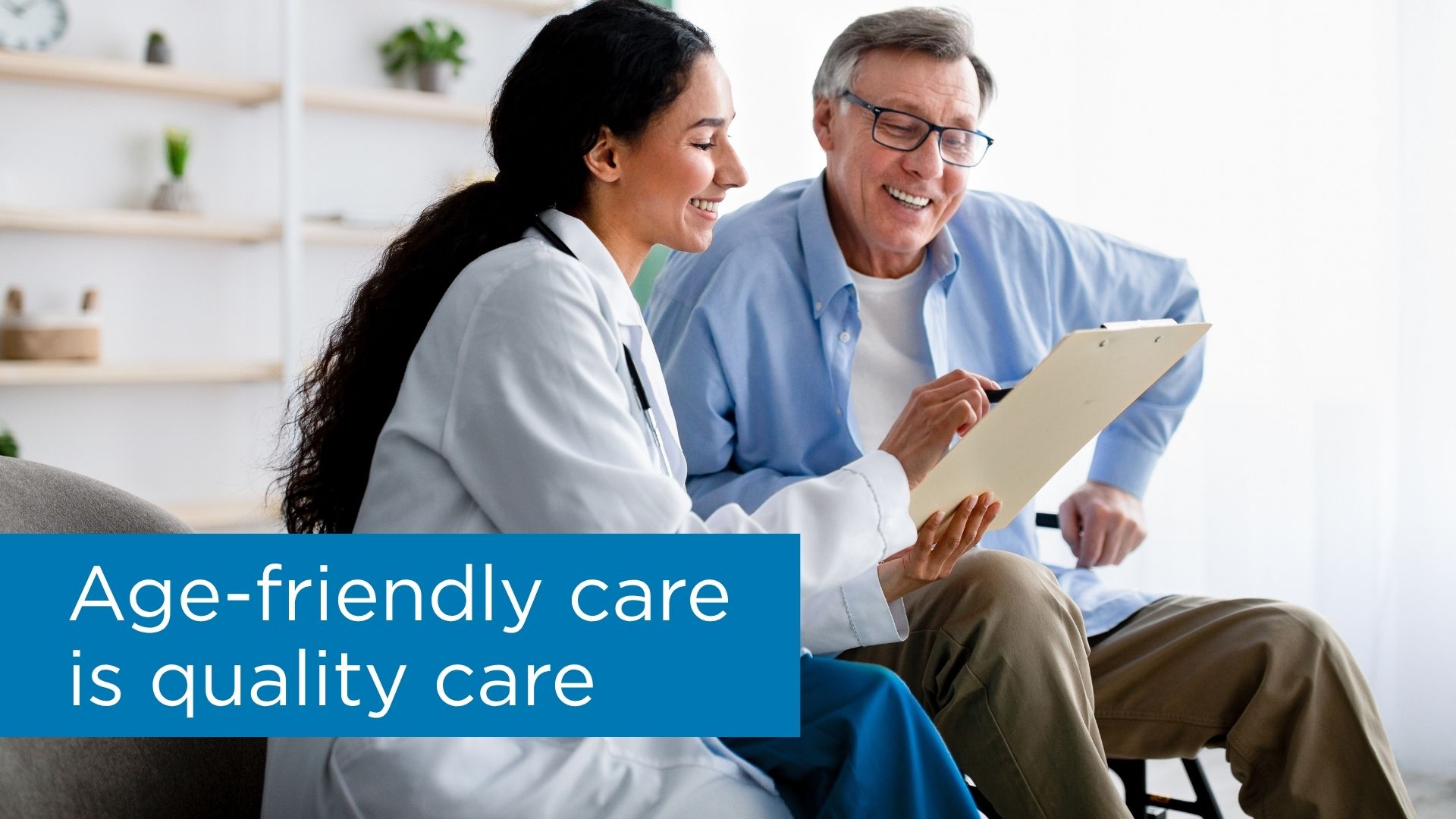
Age-friendly care is quality care
The best approach to caring for older adults is evidence-based and rests on four principles that, when combined, constitute age-friendly care: Medication, Mental health, Mobility and what Matters. Kaiser Permanente is one of the five pioneers of the Age-Friendly Health Systems initiative, a nationwide campaign to spread age-friendly care. As of mid-2026, close to 6,000 sites participated in the initiative.
A value-based, integrated approach is designed to make delivering age-friendly care easier. For example, electronic medical record systems help track medication usage. Coordination between specialists and pharmacy is built into the process powered by virtual tools that keep a patients’ entire care team looped in and flagging any concerns – like potentially harmful drug combinations – before they make it to the pharmacy.
From pharmacy to coordinating care across all specialties to spreading the 4Ms the path is clear to build a health system that scales alongside our aging population. When we value an older adult’s voice as much as their clinical indicators, we transform a looming demographic challenge into an extraordinary opportunity to deliver higher-quality, deeply compassionate care.
Marion Howard, MD, FACP, is an internal medicine and geriatric medicine physician with Northwest Permanente.
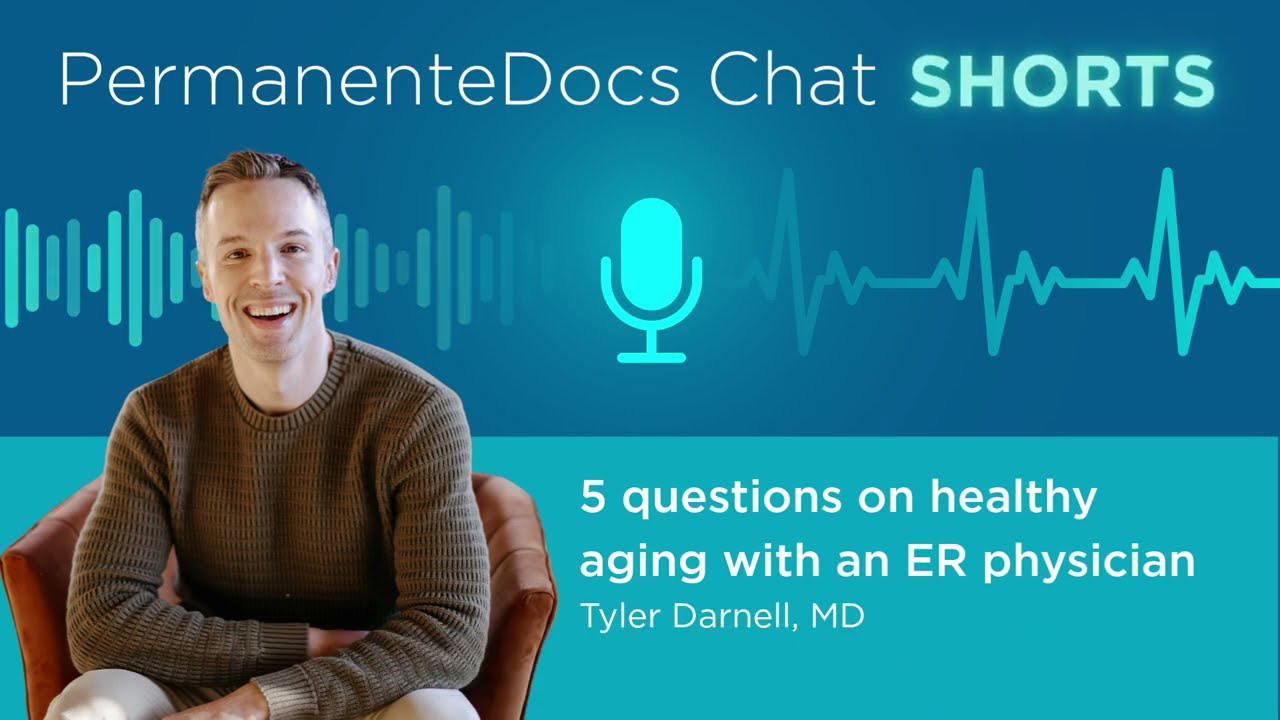
For more on this topic, watch our recent video short featuring Tyler Darnell, MD, sharing five things physicians should know about healthy aging.
The post Why understanding age-friendly care is a prerequisite to practice appeared first on Permanente Medicine.
Apa Reaksi Anda?
 Suka
0
Suka
0
 Kurang Suka
0
Kurang Suka
0
 Setuju
0
Setuju
0
 Tidak Setuju
0
Tidak Setuju
0
 Bagus
0
Bagus
0
 Berguna
0
Berguna
0
 Hebat
0
Hebat
0