










































%20and%20Batch%20Production%20Records%20(BPR).png)












Alarming CTE Findings in Rugby League
This week in the world of sports science, here’s what happened…
- New research highlights CTE risk in rugby league
- Is the Smart Track the future of speed training?
- What’s the strange device on PV Sindhu’s face?
New research highlights CTE risk in rugby league
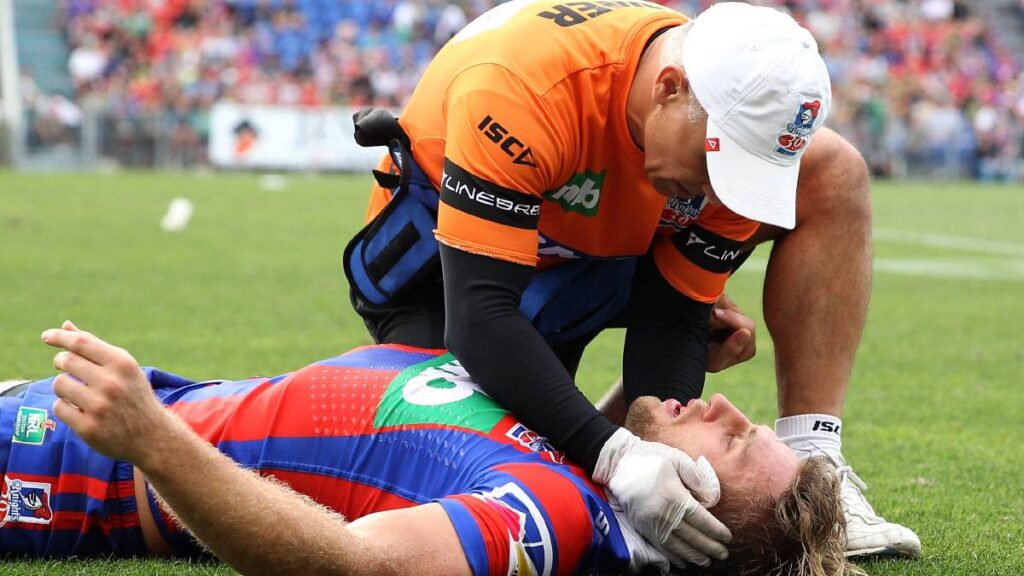
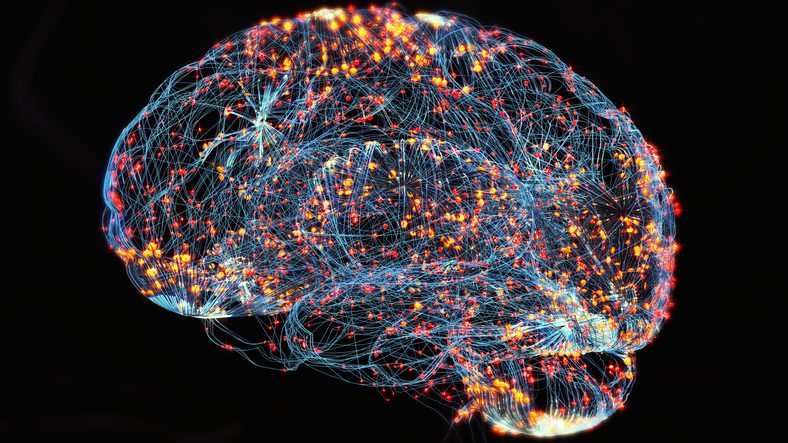
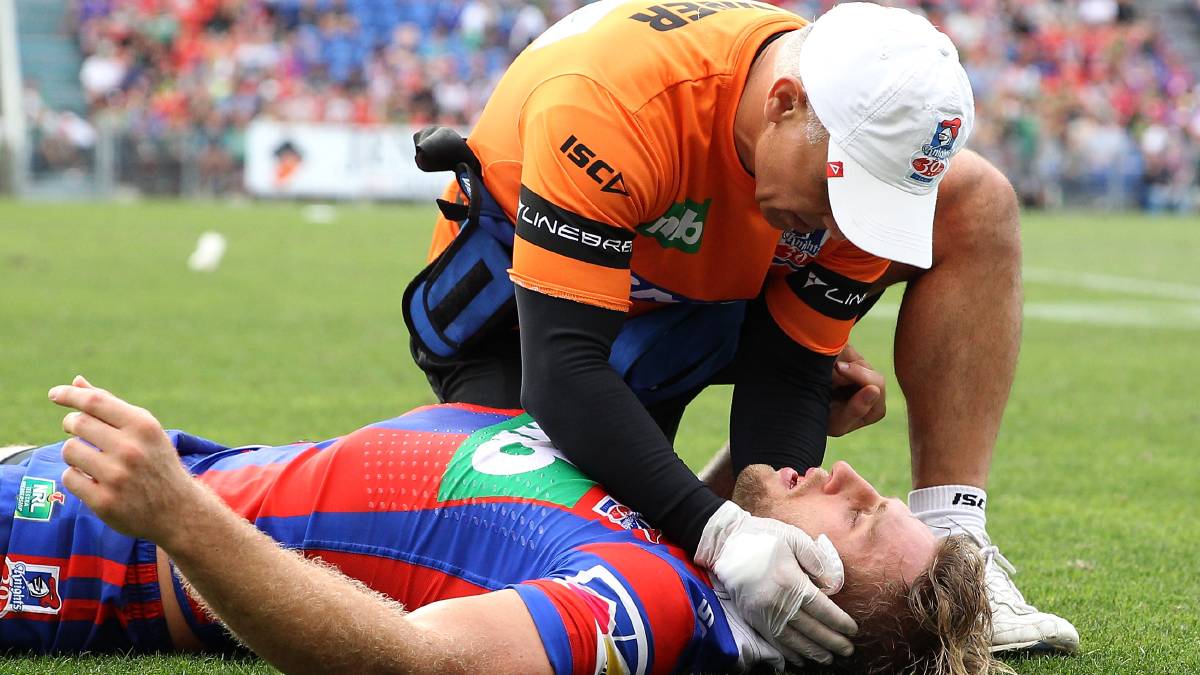
Concerning new findings from the Australian Sports Brain Bank were presented at the International Sports Concussion Conference in Melbourne this week (see here). The brain bank has examined the brains of 51 deceased rugby league players, ranging from amateur to professional level, and found that 31 had chronic traumatic encephalopathy (CTE). Even more concerning, CTE wasn’t limited to older retired players, with cases identified in people who died in their 20s, 30s and 40s.
One case in particular stands out. Keith Titmuss, a Manly Sea Eagles player who died from exertional heat stroke at just 20 years old in 2020, was subsequently found to have stage 2 CTE. Titmuss started playing rugby from the age of five, giving him around 15 years of rugby exposure. Professor Alan Pearce, one of the researchers involved, highlighted Titmuss’s case as evidence that exposure associated with CTE can begin during junior sport.
While the finding that 31 of 51 brains had CTE is alarming, it needs to be interpreted carefully. These were donated brains rather than a randomly selected sample of former rugby league players, meaning the findings cannot tell us how common CTE is across rugby league as a whole. However, they raise important questions about the potential consequences of repeated head impacts in contact sports — and how much unnecessary head-impact exposure athletes may accumulate during training and throughout their junior careers.
We have an abundance of information on this critically important topic that is well worth checking out.
Blogs:
Concussion Recovery in Sport: A Comprehensive Guide
Sport concussion assessment tools: How well do they work?
Concussion recovery: Why it’s important to get active after a head knock (but don’t overdo it)
Courses:
Newsletter Bulletins:
Sad news about rugby legend Sébastien Chabal
Is tackling a problem in youth rugby?
Concussion knowledge in rugby players and coaches
Podcasts:
From Wembley to Wake-Up Calls: Stevie Ward on Concussion, Courage & Life Beyond the Game
Brain Food: Essential Advice For Concussion Recovery
Is the Smart Track the future of speed training?
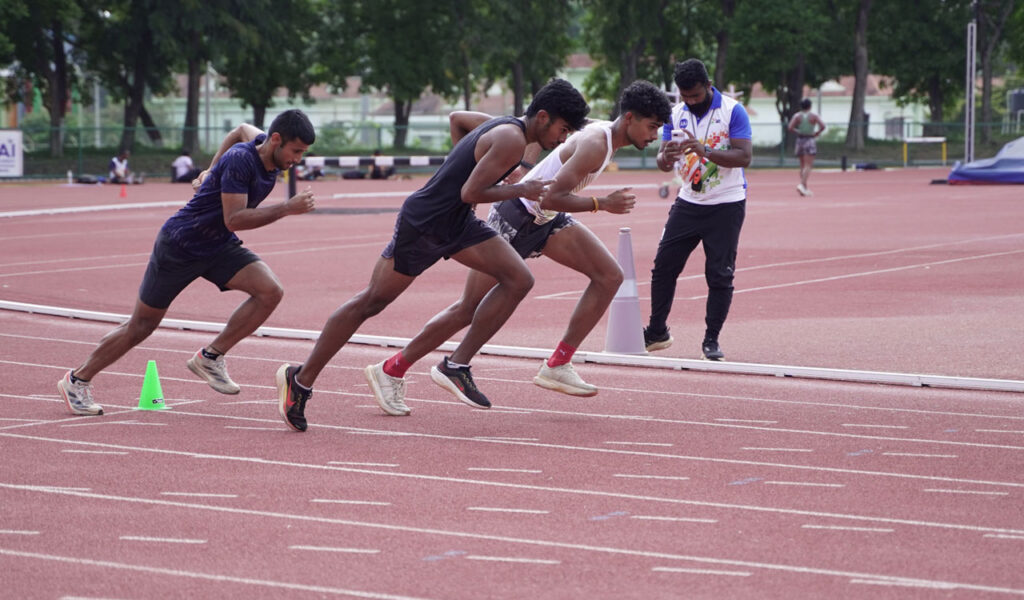
With the Asian Games set to commence later this month in Japan, some of India’s leading track and field athletes have been in the news (see here) for using a specialised “smart track” as part of their preparations in Bengaluru.
Installed in 2024, the smart track provides athletes and coaches with real-time performance data during training, including speed, split times, total time, stride length and stride frequency. This information is instantly available through an accompanying app, allowing coaches to analyse each run and give athletes immediate feedback.
Rather than relying solely on a stopwatch or conventional timing gates, which primarily tell a coach how fast an athlete has run, the smart track combines timing data with information on stride mechanics. This gives coaches greater insight into how an athlete produced their performance, rather than just the final time.
As technology continues to give coaches more information than ever, the challenge may no longer be collecting data, but knowing which data actually matters. If you are interested in this topic, our blog, Speed training: How tech can help you get faster, quickly is well worth checking out.
What’s the strange device on PV Sindhu’s face?

At the recent Badminton World Championships, Indian badminton star PV Sindhu attracted attention by competing with an unusual wearable device attached to the side of her face. Sindhu, a former World Champion and two-time Olympic medallist, was testing the device during competition.
The device, called “Temple” (see here), is positioned at the side of the forehead and is designed to measure cerebral physiology. It is proposed that the device can measure cerebral blood flow, brain oxygenation, cognitive load and heart rate.
While it is very interesting to see such a decorated athlete as Sindhu using the device, it is important to note that she is currently only testing the technology and providing feedback during its development. Therefore, at this stage, Temple should be viewed as an experimental wearable rather than an established athlete-monitoring device.
The device’s proposed capabilities sound promising, particularly its potential to monitor cognitive load. However, Temple needs independent, peer-reviewed validation before It can be considered a reliable tool for monitoring cognitive load in athletes.
From us this week:
>> New course: Micronutrients for Athletes
>> New podcast: Structure, Pacing and Recovery in Fight Preparation
>> New infographic: Whole Food Sources with 20-30g of Protein
>> New article: Hydrotherapy
Access to a growing library of sports science courses
SFS Academy is an all-access membership to premium sports science education.
With SFS Academy, you’ll learn from some of the best coaches around the world as they teach you how to apply the latest research and practice with your athletes.
The post Alarming CTE Findings in Rugby League appeared first on Science for Sport.
Apa Reaksi Anda?
 Suka
0
Suka
0
 Kurang Suka
0
Kurang Suka
0
 Setuju
0
Setuju
0
 Tidak Setuju
0
Tidak Setuju
0
 Bagus
0
Bagus
0
 Berguna
0
Berguna
0
 Hebat
0
Hebat
0