


































%20and%20Batch%20Production%20Records%20(BPR).png)














Early caries treatment: the ultimate private practice growth engine

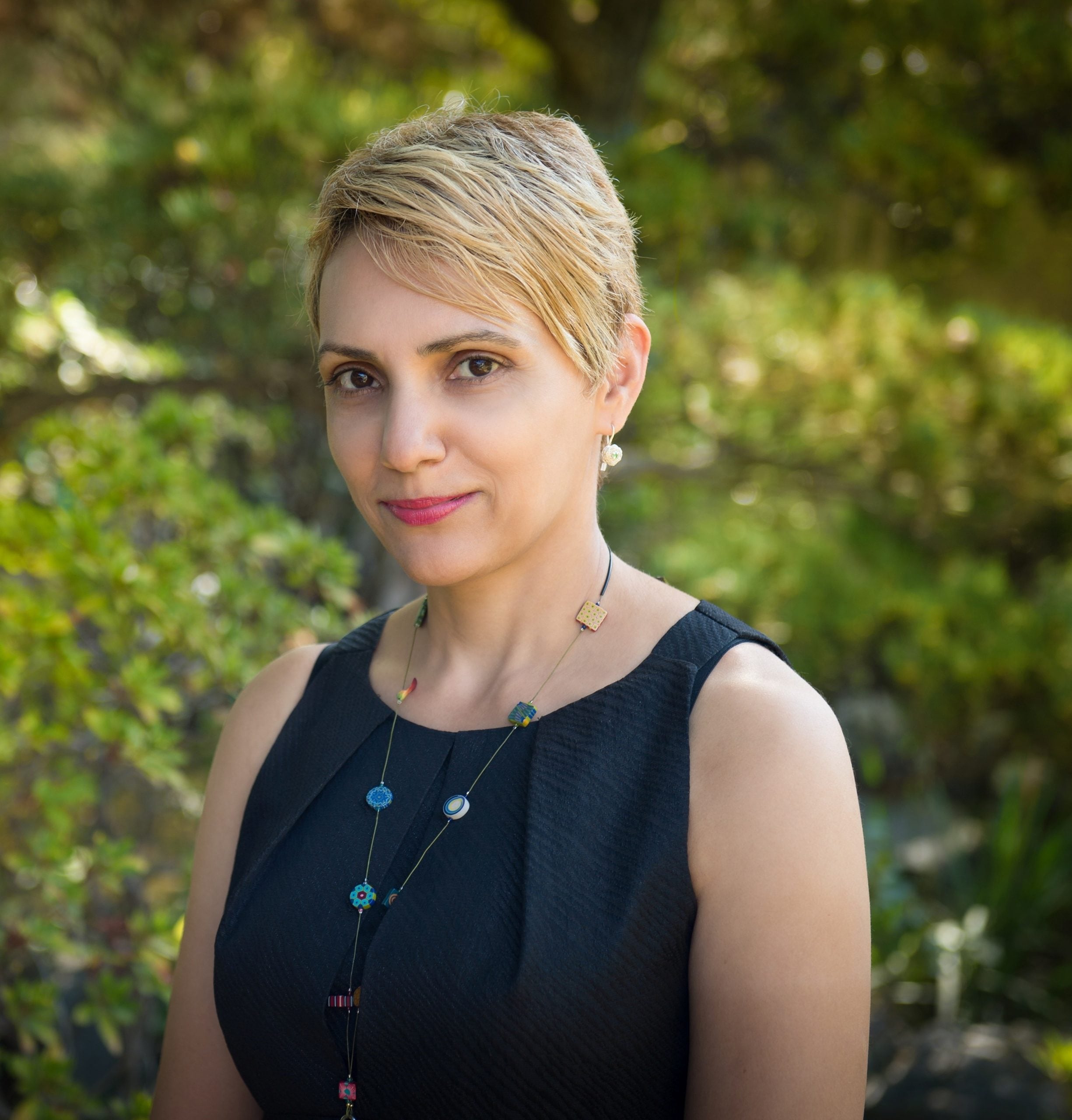
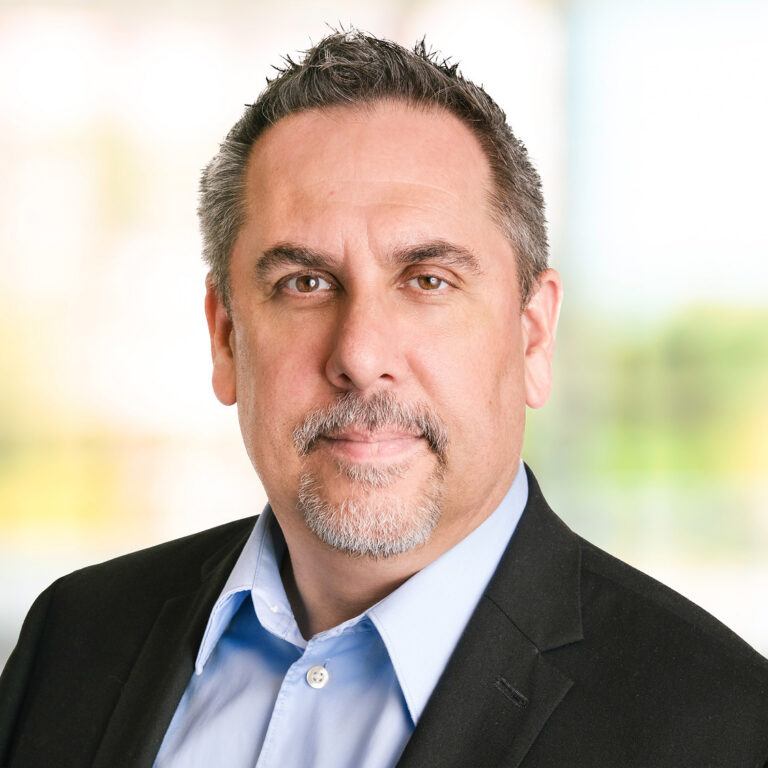
Haley Abivardi and Goly Abivardi discuss the science, philosophy and commercial potential of their breakthrough early caries treatment.
The dream of every dental principal is to lead a practice defined by cutting-edge innovation, patient-centred care and organic growth.
Yet, for decades, private dentistry has been tethered to a restrictive, invasive model: the drill.
By introducing a biomimetic peptide technology that treats early caries without needles, pain or tissue loss, sisters Haley and Goly are closing a historical treatment gap in dentistry while unlocking an entirely new revenue stream for private practices.
We sat down with the visionary founders to discuss the science and the financial reality of micro-invasive dentistry.
What was the turning point in your clinical careers that inspired you to challenge traditional dentistry?
Goly: Our journey took a defining turn when Haley and I led a public paediatric dental clinic in a rural area of Switzerland, treating children from low-income families.
We saw firsthand the immense suffering caused by untreated cavities.
It was heartbreaking to see children in pain and to realise that, despite our training and commitment, dentistry still lacked effective, non-invasive solutions to treat the early stages of the disease and avoid invasive restorations.
We also saw how much fear, anxiety and lack of awareness surrounded dental care. Parents often did not know how serious early cavities could become, and children were already afraid of the dentist before treatment had even begun.
We did not want to simply drill their teeth and start what we often call the restorative cycle (cycle of death). We wanted to change their experience entirely.
Haley: In our 20s, we took a massive risk. We put all our savings together, additionally securing a £3 million bank loan to open Europe’s first fear-free dental clinic group – Swiss Smile.
It was highly successful, but we still lacked the technology to treat early decay micro-invasively.
Goly: After decades of searching for a better way to treat early decay, we discovered the technology behind Curodont.
This biomimetic, peptide-based formulation treats early decay non-invasively by mimicking the natural process through which enamel is formed.
Convinced it could solve a major challenge in dentistry, we sold our entire clinic group and global oral care brand to back its development.
PD: You talk about a treatment gap in everyday practice. What is this gap, and how does it impact a business?
Haley: The treatment gap affects up to 80% of the patients sitting in a dental chair.
These are the patients with early carious lesions. Historically, a clinician had only two choices: watch and wait while the decay worsened, or drill into the tooth.
Sending a patient home to watch leaves everyone with a bad feeling.
If you think about medicine, centuries ago, if someone had an infection, doctors had no penicillin, so they took a knife and amputated a part of the body.
In dentistry, we walk into ultra-high-tech offices, yet for initial caries, we still reach for a drill, which can be regarded as a ‘maltreatment’ for these small lesions based on most modern approaches, since a significant amount of healthy tooth structure needs to be sacrificed.
Curodont Repair changes the philosophy of care entirely by introducing a medical, non-invasive restorative approach that proactively stops the cycle of repeated fillings.
PD: Does Curodont Repair make financial sense?
Haley: If a dentist blocks out an hour of chair time to perform traditional drilling and fillings, they might generate around £450 in revenue.
If that same hour is utilised for Curodont treatments, the practice can generate up to three times as much.
The beauty of this model lies in workflow efficiency.
Curodont Repair requires absolutely no alteration to your existing workflow.
Because the application takes a mere three to five minutes, a clinician can perform it right then and there during the initial check-up or hygiene appointment, without the need to book a separate appointment.
A small filling carries a 40% to 50% no-show risk, which potentially leaves your chair empty and costs money.
Curodont Repair offers an immediate profitable revenue whilst doing the best for the patient.
PD: Walk us through the clinical application. What are the limitations?
Goly: Curodont Repair is universally applicable – it is for children, adults, and permanent teeth across smooth, occlusal and interproximal surfaces.
The prime indication is non-cavitated enamel carious lesions.
To ensure a predictable success rate of over 90%, clinicians should utilise it when the X-ray shows the decay is contained within the enamel.
Haley: By the time an early decay lesion is clearly visible on an X-ray, it has penetrated beyond the point where traditional preventive approaches can repair the damage.
Curodont Repair penetrates deeply into the lesion, where it arrests progression and actively regenerates hydroxyapatite crystals.
Goly: Dentists frequently ask if they need separators or wedges to treat tricky interproximal lesions, which make up 80% of these early-stage carious lesions. The answer is no.
You simply squeeze the sponge applicator close to the lesion, and the proprietary formulation diffuses directly into the micro-porosities of the lesion within seconds through capillary action.
PD: Practice leaders are facing immense team recruitment and retention pressures. How does this technology help manage a team?
Goly: High-performing dental teams want to be part of a progressive, meaningful mission.
Curodont Repair also helps broaden the competencies of the dental team. As it can be fully delegated to dental hygienists and dental therapists, who are legally authorised to apply it independently in the UK, it enables them to play an even greater role in patient care and elevates their professional purpose.
The principal can comfortably hand over early caries management to their trusted hygiene team, knowing the practice is maximising its hourly billing while the dentist focuses exclusively on larger, complex treatments.
PD: How do private patients react to paying for a drill-free alternative?
Haley: Patients recognise its value and are willing to pay for it.
When you show a patient early decay and offer them a choice between a traditional filling with a needle and a drill, or a fast, needle- and drill-free application that costs the exact same as a standard filling, virtually every single one chooses Curodont Repair.
They view it as a ‘premium express service’.
Consumer mindsets have shifted heavily toward wellness and biological preservation.
A recent independent survey conducted by a top global consulting firm interviewed thousands of patients and asked: ‘If your existing dentist refused to offer Curodont, would you switch clinics?’
An astonishing 58% of patients explicitly stated they would leave their current dentist to find a practitioner who does.
To support this, we created the Curodont Clinic Locator tool online.
Proactive patients are actively using it to seek out certified ‘Curodontists’.
Principals in the US are writing to us stating they are having to expand their teams simply to handle the new patients.
Even your routine recall list can take on a new dimension, as patients actively seek out minimally invasive alternatives to conventional restorative treatment.
PD: Finally, what is the ultimate vision for the future of vVARDIS?
Goly: Our higher mission remains deeply personal: save teeth, save lives, where drilling is no longer the automatic default for early-stage disease.
Haley: We are only scratching the surface of what is possible.
Modern patients understand that oral health isn’t an isolated issue – it directly impacts systemic health and longevity.
We want future generations to grow up viewing a visit to the dentist as a relaxing, fear-free, lifestyle-focused experience.
Our parents always taught us a vital lesson that we carry into every business hurdle: ‘If you have a vision, go for it. “It doesn’t work” simply does not exist.’
Follow Dentistry.co.uk on Instagram to keep up with all the latest dental news and trends.
Apa Reaksi Anda?
 Suka
0
Suka
0
 Kurang Suka
0
Kurang Suka
0
 Setuju
0
Setuju
0
 Tidak Setuju
0
Tidak Setuju
0
 Bagus
0
Bagus
0
 Berguna
0
Berguna
0
 Hebat
0
Hebat
0