










































%20and%20Batch%20Production%20Records%20(BPR).png)














GFAP and NfL as Biomarkers have a Role for Real-Time Neurologic Monitoring in Children Receiving ECMO: JAMA
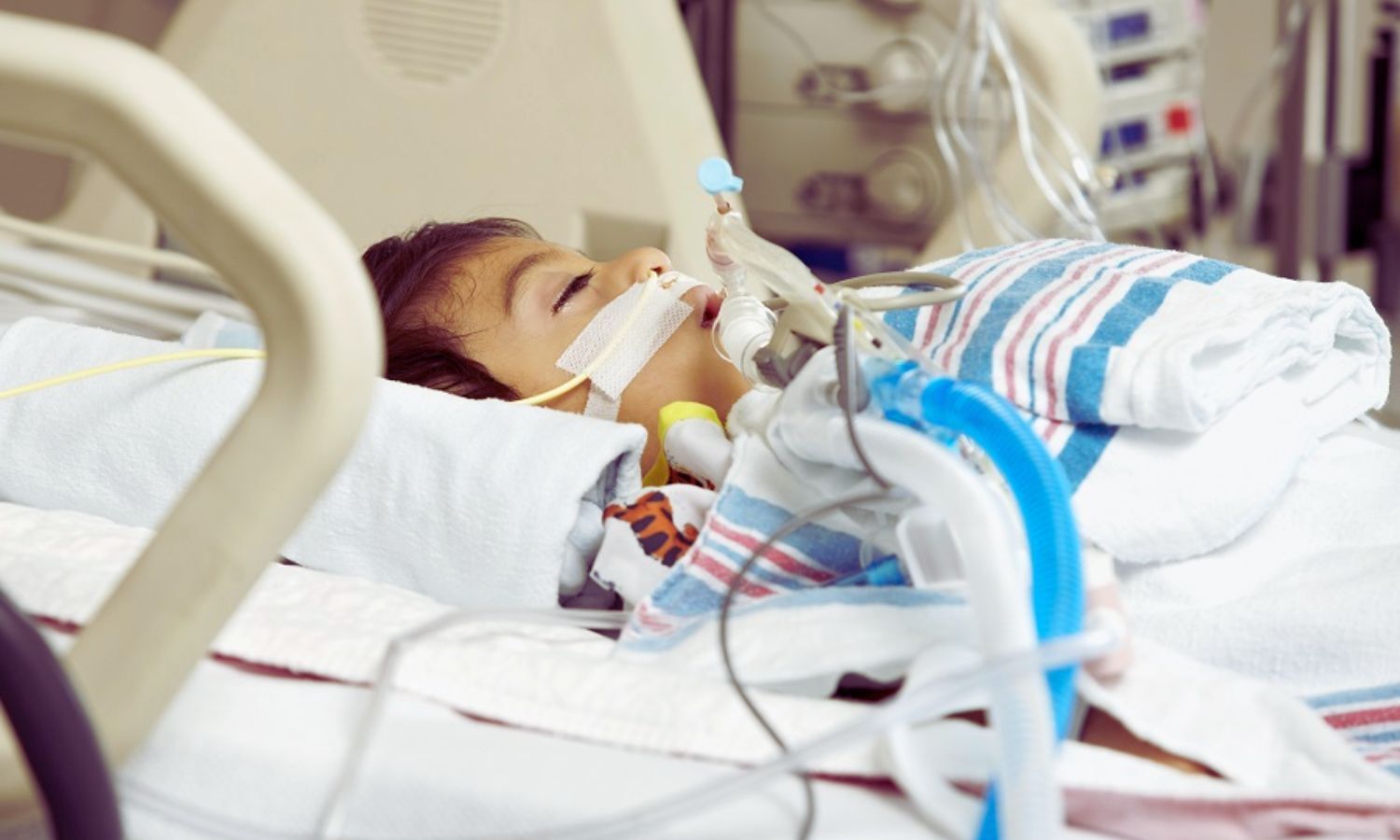

USA: Researchers have found in a new study that GFAP and NfL show promise as real-time biomarkers for neurologic monitoring in children receiving extracorporeal membrane oxygenation (ECMO). They may assist in early diagnosis of neurologic injury, correlate with clinical outcomes, and potentially help guide timely neuroprotective strategies.
These findings are from a multicenter prospective cohort study published in JAMA Pediatrics by Matthew L. Friedman from the Department of Pediatrics, Indiana University School of Medicine, Indianapolis, and colleagues. The investigators evaluated how well serially measured plasma biomarkers could detect acute brain injury (ABI) and predict outcomes in critically ill children supported with ECMO.
Early recognition of ABI in children on ECMO remains a major clinical challenge. Neurologic examinations are often limited in critically ill, sedated patients, and conventional monitoring may not always detect subclinical injury. To address this gap, the research team examined whether elevations in glial fibrillary acidic protein (GFAP), neurofilament light chain (NfL), and tau in plasma preceded neuroimaging-confirmed ABI and whether these biomarkers were associated with mortality and functional outcomes.
The study enrolled children aged 2 days to younger than 18 years who underwent ECMO at 11 US children’s hospitals between 2019 and 2023, with follow-up extending to 18 months after ECMO. In total, 219 participants accounting for 224 ECMO courses were included, generating 1,089 serial blood samples. The median age was 11 months, and just over half of the participants were male.
The study led to the following findings:
- Among 60 ECMO courses complicated by newly diagnosed acute brain injury (ABI), plasma GFAP and NfL levels increased significantly before neuroimaging confirmed the injury.
- For every 24 hours preceding ABI diagnosis, GFAP levels rose by 6.4% and NfL levels increased by 16.1%, indicating that these biomarkers may detect evolving brain injury prior to clinical recognition.
- Higher geometric mean concentrations of GFAP, NfL, and tau—measured both at the first ECMO sample and at peak levels during support—were observed in children with unfavorable short-term outcomes, including in-hospital mortality or significant neurologic decline at discharge.
- After adjusting for age, ECMO indication, and baseline biomarker levels, a twofold increase in GFAP and NfL from the initial sample was independently associated with a greater risk of adverse outcomes.
- Tau levels, however, were not significantly associated with outcomes after adjustment in the statistical analyses.
Long-term outcomes were assessed at 18 months using standardized functional measures, though follow-up was limited by patient attrition. The authors acknowledged several limitations, including incomplete long-term data and the absence of information on targeted temperature management and delirium, both of which could theoretically influence biomarker levels. Additionally, analyses were carefully restricted to children with confirmatory neuroimaging to minimize misclassification of ABI status.
Overall, the findings suggest that plasma GFAP and NfL may serve as valuable tools for real-time neurologic surveillance in children receiving ECMO. With the development of point-of-care assays suitable for intensive care settings, these biomarkers could enhance early detection of subclinical brain injury and support more timely, targeted neuroprotective interventions in this vulnerable population.
Reference:
Friedman ML, Bell MJ, Brooks BA, et al. Plasma Biomarkers of Brain Injury in Critically Ill Children Receiving Extracorporeal Membrane Oxygenation. JAMA Pediatr. Published online March 02, 2026. doi:10.1001/jamapediatrics.2026.0015
Apa Reaksi Anda?
 Suka
0
Suka
0
 Kurang Suka
0
Kurang Suka
0
 Setuju
0
Setuju
0
 Tidak Setuju
0
Tidak Setuju
0
 Bagus
0
Bagus
0
 Berguna
0
Berguna
0
 Hebat
0
Hebat
0

Edusehat
Platform Edukasi Online Untuk Komunitas Kesehatan Agar Mendapatkan Informasi Dan Pengetahuan Terbaru Tentang Kesehatan Dari Nasional Maupun Internasional. ||
An online education platform for the health community to obtain the latest information and knowledge about health from both national and international sources.