























































%20and%20Batch%20Production%20Records%20(BPR).png)
















Gorilla Adenovirus Brings Natural Edge to Cancer Therapy

When ReiThera’s scientists first turned to a gorilla-derived adenovirus, they were thinking about vaccines. What they found instead might reshape how the field thinks about virus-based therapy for cancer.
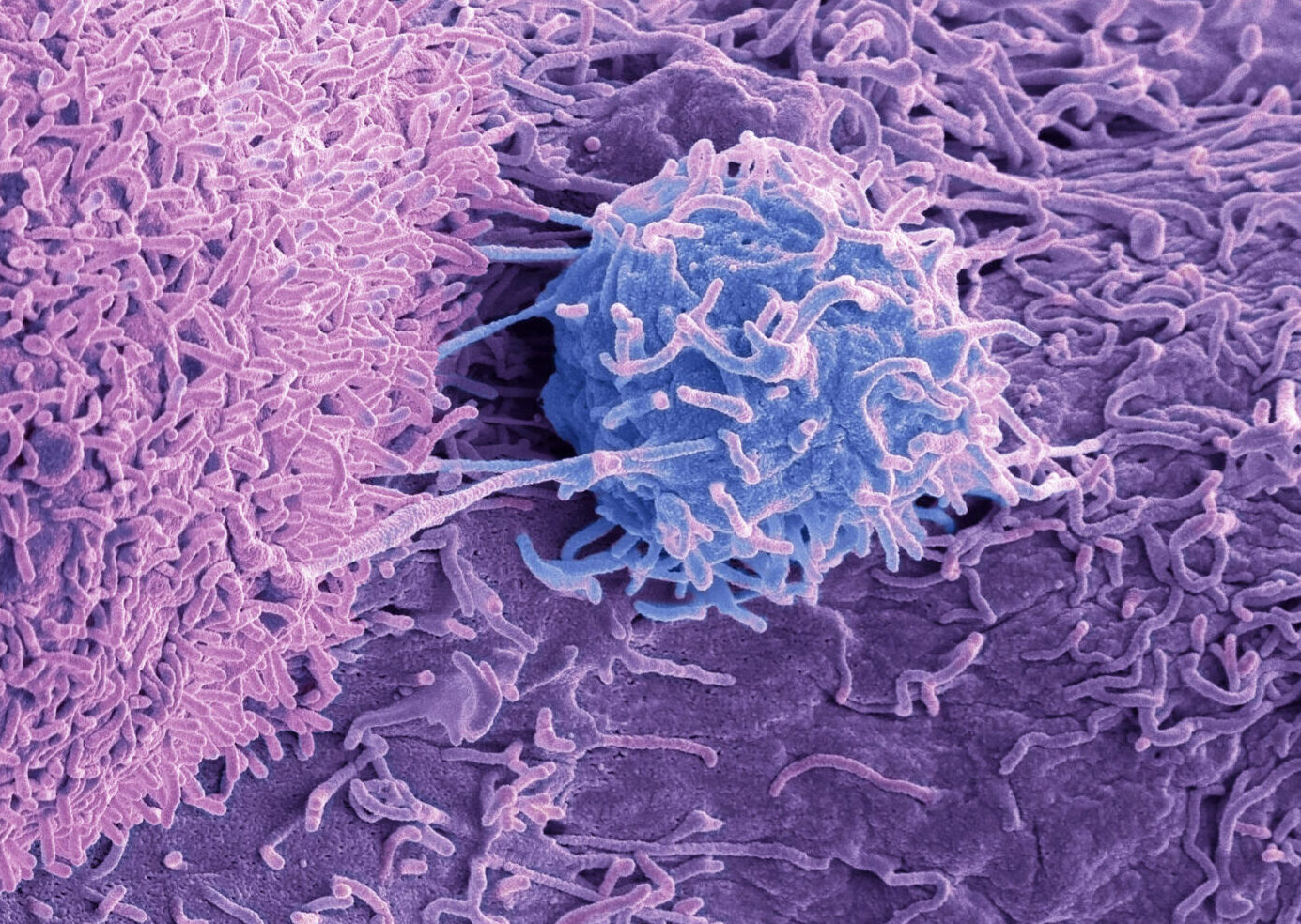
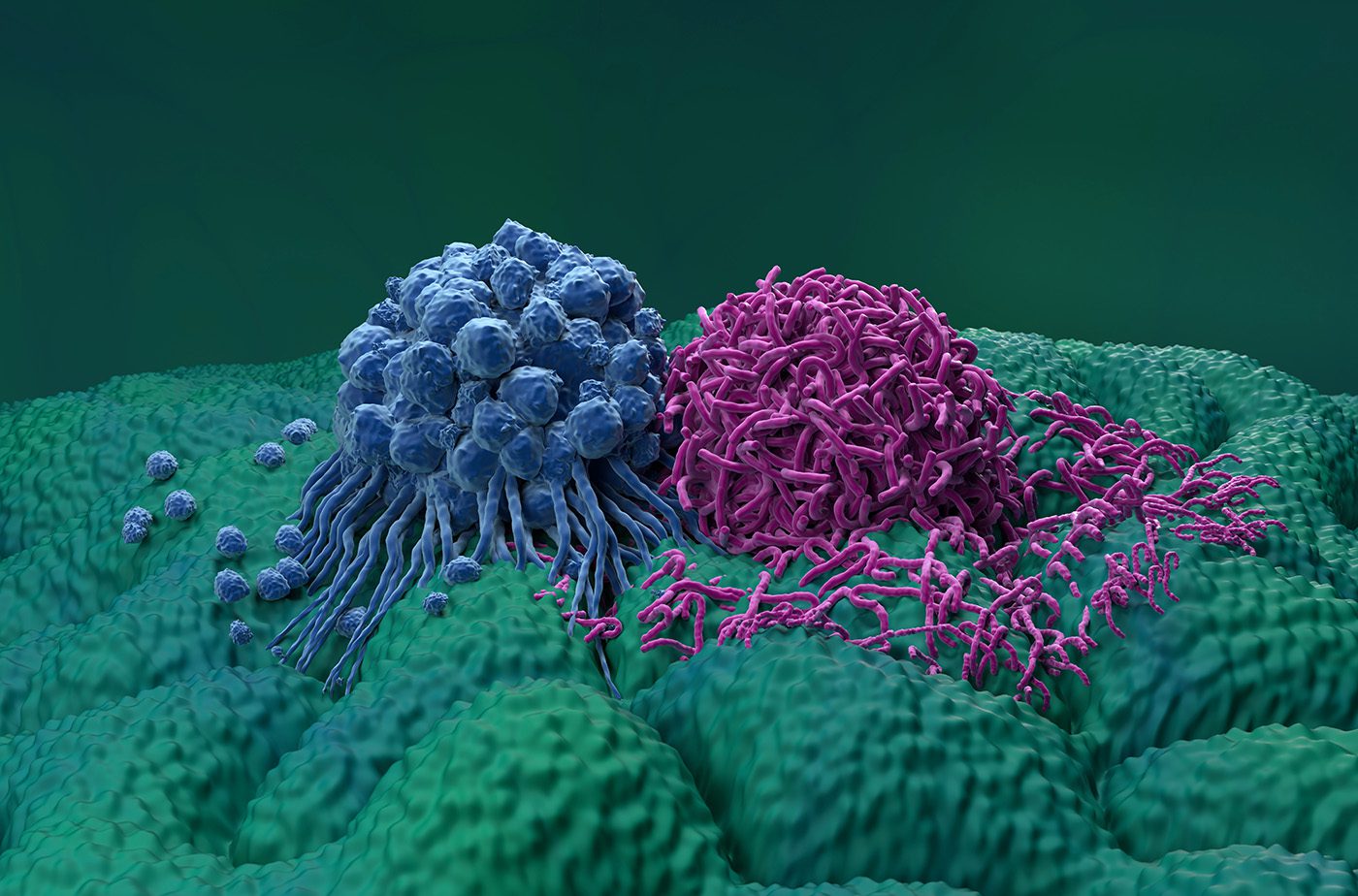
Angelo Raggioli, PhD, head of technology development at ReiThera, describes a platform built on a gorilla adenovirus that was discovered, not designed. He adds: “Several therapeutically relevant properties appear to be embedded in the native biology of the vector itself.” For example, the group C gorilla adenovirus showed low seroprevalence in humans, reduced liver sequestration after systemic delivery in mouse models, a natural tendency to go to the lungs, and intrinsic replication selectivity in human cancer cells, sparing non-cancerous cells.
That combination addresses some of the most persistent obstacles in virus-based therapy. Pre-existing immunity against common vectors can blunt therapeutic efficacy before treatment begins, while off-target organ uptake—particularly hepatic sequestration of adenoviral vectors—remains a fundamental challenge for intravenous administration. A gorilla-derived isolate sidesteps both problems: it is naturally distant from human adenoviruses (avoiding the impact of pre-existing immunity shaped by prior exposure), and serendipitously avoids liver sequestration.
The biodistribution profile is equally important. Reduced liver targeting after systemic delivery, plus an attraction to the lungs, positions the platform not only for oncology applications but potentially for pulmonary gene therapy.
Raggioli adds that adenoviral vectors offer cargo capacities of about 36 kilobases, which is a significant advantage over the roughly 4.5-kilobase ceiling of adeno-associated viruses. For diseases requiring delivery of large transgenes, that capacity difference could be clinically decisive.
In oncology settings, the vector has demonstrated selective replication in tumor cells while sparing normal tissue, which was a property the ReiThera team observed rather than engineered. “While much of the field is actively engineering vectors to retarget specific tissues, in this case, we started from the natural tropism of the virus and began exploring how to leverage those native biological properties therapeutically,” Raggioli explains.
The platform has also been armed with therapeutic payloads. As a proof of concept, the team encoded a single-chain anti-HER3 antibody directly into the viral genome, achieving selective expression in replication-permissive tumor cells. This positions the platform within a broader trend in oncolytic virology: viruses are increasingly expected to serve not merely as cytolytic agents but as localized delivery systems for antibodies, immune modulators, and other complex biologics.
That evolution reflects a shifting understanding of how oncolytic viruses actually work. Tumor cell lysis alone is no longer considered sufficient; the immunological consequences of that lysis—whether it triggers a productive antitumor immune response—are central to therapeutic activity. Engineering for that immunogenic conversion while preserving replication potency and tumor specificity represents one of the field’s most demanding design challenges.
“An additional strength of the platform is that, for vaccine and oncolytic applications, we can manage the entire process internally, from genome engineering to clinical-grade manufacturing,” Raggioli says.
What began as a search for a better vaccine backbone has yielded something potentially more versatile: a vector whose biology may be doing therapeutic work that other platforms have to build in from scratch.
The post Gorilla Adenovirus Brings Natural Edge to Cancer Therapy appeared first on GEN - Genetic Engineering and Biotechnology News.
Apa Reaksi Anda?
 Suka
0
Suka
0
 Kurang Suka
0
Kurang Suka
0
 Setuju
0
Setuju
0
 Tidak Setuju
0
Tidak Setuju
0
 Bagus
0
Bagus
0
 Berguna
0
Berguna
0
 Hebat
0
Hebat
0