



















































%20and%20Batch%20Production%20Records%20(BPR).png)
















Hands-on emergency pediatric training

“I’ve never met a stronger person than a feisty toddler,” said Sophia Fuciarelli, child life specialist at Hamilton Health Sciences (HHS) McMaster Children’s Hospital (MCH). Her comment generated plenty of knowing laughter during the intravenous (IV) insertion session at the inaugural PEARLS Day, a hands-on training event designed to strengthen pediatric emergency care across the region.
Dozens of health-care providers attended the day at MCH on June 22 including staff from other HHS sites, as well as 14 different hospital systems across southwestern Ontario.
The event was part of the newly launched PEARLS Network (Pediatric Emergency Advancement, Readiness, Learning and Simulation), a collaborative initiative to enhance pediatric emergency readiness, skills and knowledge at community hospitals throughout our service area. The Network is led by MCH Emergency Department staff in partnership with the Pediatric Emergency Medicine Simulation Oversight Committee (PEMSOC) and MCH’s Simulation and Resuscitation Outreach Centre (SiROC).
Participants included nurses, physicians and clinical leaders serving as Pediatric Emergency Care Coordinators (PECCs) at their home organizations. Through a combination of expert-led education, simulation training and skills workshops, attendees gained practical experience managing some of the most serious pediatric emergencies they may encounter.
“Canadian hospital data shows that children and youth account for approximately 1.2 million emergency department visits annually in Ontario, and 80 per cent of these visits occur outside specialized children’s hospitals” says Britney Edmonds, Project Manager for MCH ED and the PEARLS Network. “Our goal is to ensure every child receives high-quality emergency care, regardless of which hospital they walk into.”
Realistic hands-on exercises
Throughout the day, participants rotated through sessions streamlined for nurses or physicians about:
• pediatric massive transfusion protocols
• critical resuscitation medications
• pediatric vascular access
• diabetic ketoacidosis
• acute trauma care, and
• pediatric airway management.
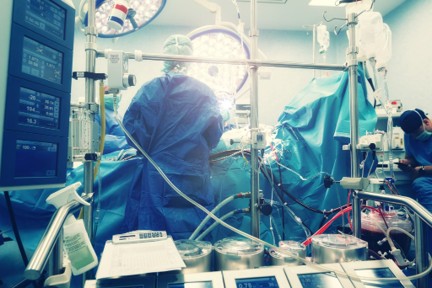
Many of the sessions took place at the specialized simulation centre, where learners practiced technical skills and clinical decision-making in realistic scenarios. The day also included a tour of the MCH Emergency Department and group discussions on how PECCs can contribute to quality improvement in pediatric emergency care.
The training reflects MCH’s role as a provincial leader in pediatric emergency care and education. As the region’s specialty pediatric hospital, MCH not only provides high-level care for children with complex medical needs, but also supports regional community hospitals through teaching, mentorship and collaborative learning opportunities. Community hospitals are also supported by MCH’s pediatric tele-resuscitation program, which provides real-time, 2-way video resuscitation support for critically-ill children.
“The PEARLS Network is the first of its kind in Ontario, and it’s about much more than improving pediatric readiness,” says Valerie Jansen, clinical leader of the MCH emergency department and co-lead of the MCH PEARLS network. “It’s redefining how hospitals collaborate to improve care by building strong partnerships, sharing expertise, and accelerating the spread of best practices through a multi-pronged approach. The result is stronger pediatric emergency care across our region today, and a sustainable model for solving the complex healthcare challenges of tomorrow.”
Significant benefits for community hospitals
The PEARLS Network also includes an ongoing community of practice for PECCs and interprofessional simulation opportunities. Simulations allow hospitals to safely test how their systems perform during pediatric emergencies and identify areas for improvement.
For community hospitals, the benefits are significant. By identifying and addressing areas for improvement before they affect patient care, hospitals can strengthen their systems, enhance patient safety, and improve outcomes for children and families.
“For families, pediatric emergency readiness means peace of mind,” says Edmonds. “It means knowing that wherever their child receives emergency care, the team is prepared, practiced, and connected to the resources they need.”
PEARLS network member hospitals:
• Brantford General Hospital
• Cambridge Memorial Hospital
• Groves Memorial Community Hospital
• Guelph General Hospital
• Haldimand War Memorial Hospital
• Halton Healthcare – Georgetown Hospital
• Halton Healthcare – Milton District Hospital
• Halton Healthcare – Oakville Trafalgar Memorial Hospital
• Hamilton Health Sciences – Hamilton General Hospital
• Hamilton Health Sciences – Juravinski Hospital
• Hamilton Health Sciences – West Lincoln Memorial Hospital
• Niagara Health – Fort Erie Site
• Niagara Health – Niagara Falls Site
• Niagara Health – Port Colborne Site
• Niagara Health – St. Catharines Site
• Niagara Health – Welland Site
• Norfolk General Hospital
• West Haldimand General Hospital
• Waterloo Regional Health Network (WRHN) @ Midtown
• WRHN @ Queen’s Blvd
The post Hands-on emergency pediatric training appeared first on Hospital News.
Apa Reaksi Anda?
 Suka
0
Suka
0
 Kurang Suka
0
Kurang Suka
0
 Setuju
0
Setuju
0
 Tidak Setuju
0
Tidak Setuju
0
 Bagus
0
Bagus
0
 Berguna
0
Berguna
0
 Hebat
0
Hebat
0