













































%20and%20Batch%20Production%20Records%20(BPR).png)













Canadian children’s hospitals expand AI-powered rare disease detection as gene therapy research advances

New funding will help Canadian children’s hospitals identify rare genetic disorders earlier while supporting an experimental gene therapy trial.
Canadian researchers are advancing two initiatives aimed at improving the diagnosis and treatment of rare childhood diseases, supported by approximately $1.77 million in new funding from Canadian non-profit organization Conscience.
The projects include expanding an artificial intelligence system developed at the CHEO Research Institute in Ottawa and advancing plans for a Canadian clinical trial of an experimental gene therapy for CLN7 Batten disease.
AI helping diagnose rare diseases
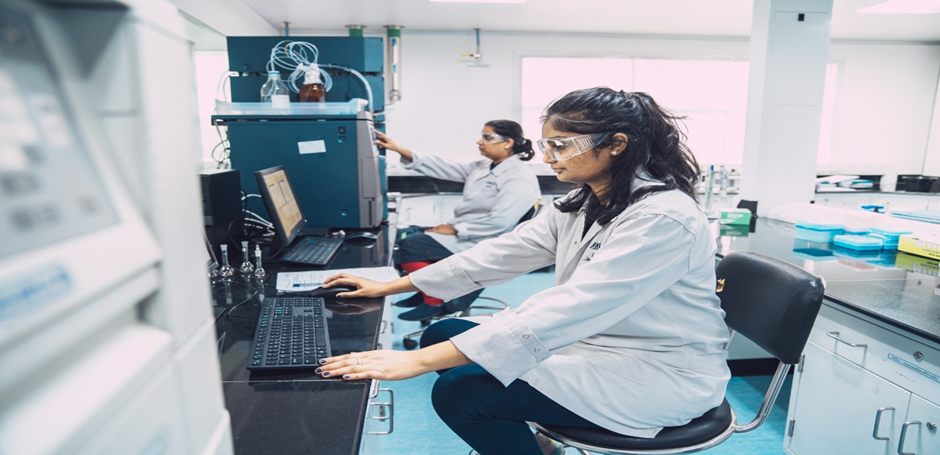
The ThinkRare system uses artificial intelligence to analyze electronic medical records and identify patterns that may indicate an undiagnosed genetic condition.
Rare diseases can be difficult to recognize because symptoms often resemble those of more common illnesses. As a result, children may undergo years of medical appointments and testing before receiving an accurate diagnosis.
According to Conscience, ThinkRare has already contributed to 23 rare-disease diagnoses at CHEO, with a reported diagnostic yield of approximately 70 per cent among patients referred for further assessment and testing.
In one case, the technology helped identify a rare condition in a patient who had attended 153 outpatient appointments over 17 years without receiving a diagnosis.
Conscience is providing $1 million to support the system’s expansion to additional pediatric institutions, including McMaster Children’s Hospital in Hamilton, Alberta Children’s Hospital in Calgary and Stollery Children’s Hospital in Edmonton.
The technology is designed to support physicians and genetic specialists by identifying patients who may benefit from further investigation.
Advancing experimental gene therapy
A second initiative will receive $768,823 to support efforts to bring a clinical trial for CLN7 Batten disease to Canada.
The rare inherited neurological disorder can cause progressive vision loss, seizures and deterioration of motor and cognitive abilities.
The project involves CureSPG50, The Hospital for Sick Children (SickKids) and Elpida Therapeutics.
Researchers are developing an experimental gene therapy designed to introduce a functional copy of the MFSD8 gene, which is affected in children with the disease.
An earlier Phase 1 study involving four patients provided preliminary safety information and early indications of possible benefit. The proposed Phase 1/2 trial would involve nine additional children.
The treatment remains experimental, and further research is required to establish its safety and effectiveness.
Improving care for children with rare diseases
Together, the initiatives highlight the growing role of artificial intelligence and genetic medicine in pediatric healthcare.
Earlier diagnosis could help reduce unnecessary testing, improve care coordination and provide families with answers sooner. Meanwhile, advances in gene therapy offer opportunities to investigate treatments for conditions with few existing options.
The projects also demonstrate the importance of collaboration among Canadian hospitals, researchers and non-profit organizations in addressing complex healthcare challenges.
The post Canadian children’s hospitals expand AI-powered rare disease detection as gene therapy research advances appeared first on Hospital News.
Apa Reaksi Anda?
 Suka
0
Suka
0
 Kurang Suka
0
Kurang Suka
0
 Setuju
0
Setuju
0
 Tidak Setuju
0
Tidak Setuju
0
 Bagus
0
Bagus
0
 Berguna
0
Berguna
0
 Hebat
0
Hebat
0