














































%20and%20Batch%20Production%20Records%20(BPR).png)

















Intravenous Albumin After Paracentesis Reduces Risk of AKI-Related Hospitalization: Study
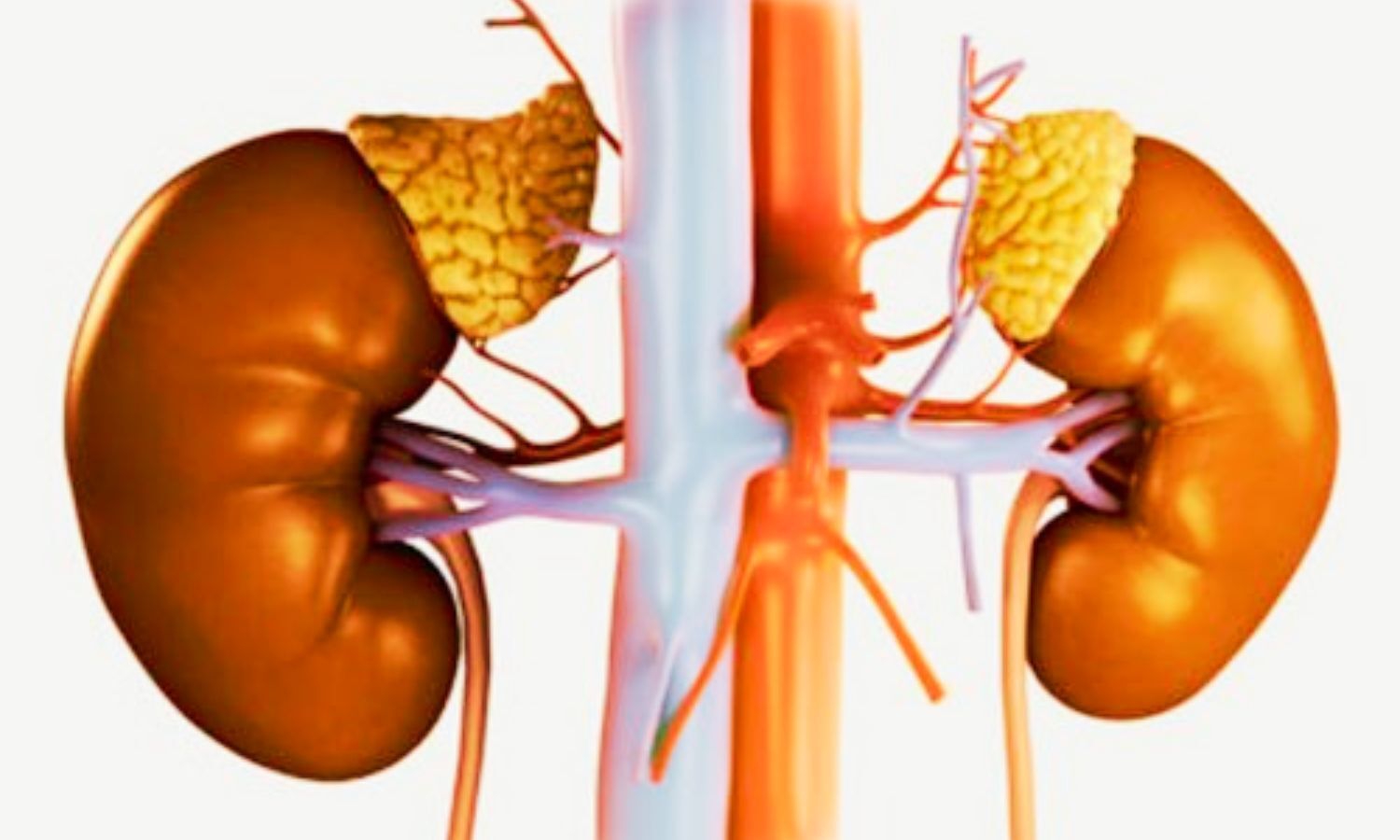

A retrospective cohort study in Veterans with cirrhosis found that giving intravenous albumin after outpatient paracentesis was associated with a lower risk of hospitalization due to acute kidney injury (AKI). Albumin likely helps maintain intravascular volume and renal perfusion after fluid removal, thereby reducing kidney complications. The findings suggest that albumin administration following paracentesis may be beneficial in preventing AKI-related hospital admissions in patients with cirrhosis. The study was published in the Hepatology journal by Mahmud N. and colleagues.
Cirrhotic patients commonly have to face the problem of ascites. Ascites is a complication of cirrhosis characterized by the accumulation of fluid in the abdominal cavity. Ascites usually necessitates therapeutic paracentesis. Large-volume paracentesis is a common procedure to remove ascitic fluid. However, the procedure may cause a complication called post-paracentesis circulatory dysfunction. This may further cause renal problems such as acute kidney injury. According to clinical guidelines, patients are given albumin to maintain volume after large-volume paracentesis to avoid acute kidney injury.
The study design for the investigation was a retrospective cohort study, with national healthcare data on Veterans with cirrhosis who underwent outpatient paracentesis procedures. In addition, detailed clinical information on paracentesis volumes, administration of albumin, markers of renal function, and hospitalization outcomes were collected.
The main outcome measure for the investigation was hospitalization for acute kidney injury within 7 days after outpatient paracentesis procedures. Statistical analyses were carried out using mixed effects logistic regression models for factors associated with albumin administration and its relationship with hospitalization for AKI.
Key findings:
This national retrospective cohort study included 9,467 cirrhotic patients with 56,941 outpatient procedures for paracentesis.
The use of intravenous albumin was seen in 17% of the procedures. Higher MELD Na scores were seen with a higher use of intravenous albumin (OR 1.02, 95% CI 1.02–1.03, p < 0.001).
Severe renal impairment, as defined by eGFR < 30 mL/min/1.73 m², was more common with the use of intravenous albumin compared with normal eGFR ≥ 90 mL/min/1.73 m² (OR 3.06, 95% CI 2.64–3.54, p < 0.001).
The use of intravenous albumin was also seen with the presence of hepatic encephalopathy (OR 1.22, 95% CI 1.13–1.33, p < 0.001).
The use of intravenous albumin was seen to have a 34% reduction in the odds of AKI hospitalization within 7 days after the procedure (OR 0.66, 95% CI 0.54–0.81, p < 0.001).
The effect was more pronounced with lower eGFR (p-value for interaction = 0.03). In a subgroup of 48,401 procedures, higher doses of intravenous albumin, as defined by ≥ 6–8 g/L removed, were seen with a lower odds of AKI hospitalization.
The intravenous administration of albumin in patients undergoing outpatient paracentesis resulted in a significantly reduced risk of hospitalization for acute kidney injury in patients with cirrhosis. The protective effects were more apparent in patients who had impaired kidney function. The potential benefits of albumin administration in the treatment and management of patients undergoing paracentesis were evident. Future studies should be conducted to optimize treatment strategies.
Reference:
Mahmud, Nadim1,2,3,4; Schechter, Max S.2; Zhang, Siqi4; Mezzacappa, Catherine5,6; Ochoa-Allemant, Pedro2; Kaplan, David E.1,2; Serper, Marina1,2,3. Intravenous albumin after outpatient paracentesis reduces risk of AKI hospitalization: A national cohort study. Hepatology ():10.1097/HEP.0000000000001739, March 11, 2026. | DOI: 10.1097/HEP.0000000000001739
Apa Reaksi Anda?
 Suka
0
Suka
0
 Kurang Suka
0
Kurang Suka
0
 Setuju
0
Setuju
0
 Tidak Setuju
0
Tidak Setuju
0
 Bagus
0
Bagus
0
 Berguna
0
Berguna
0
 Hebat
0
Hebat
0