






















































%20and%20Batch%20Production%20Records%20(BPR).png)

















Intravesical CAR T-Cell Therapy Reduces Bladder Cancer Growth in Preclinical Model
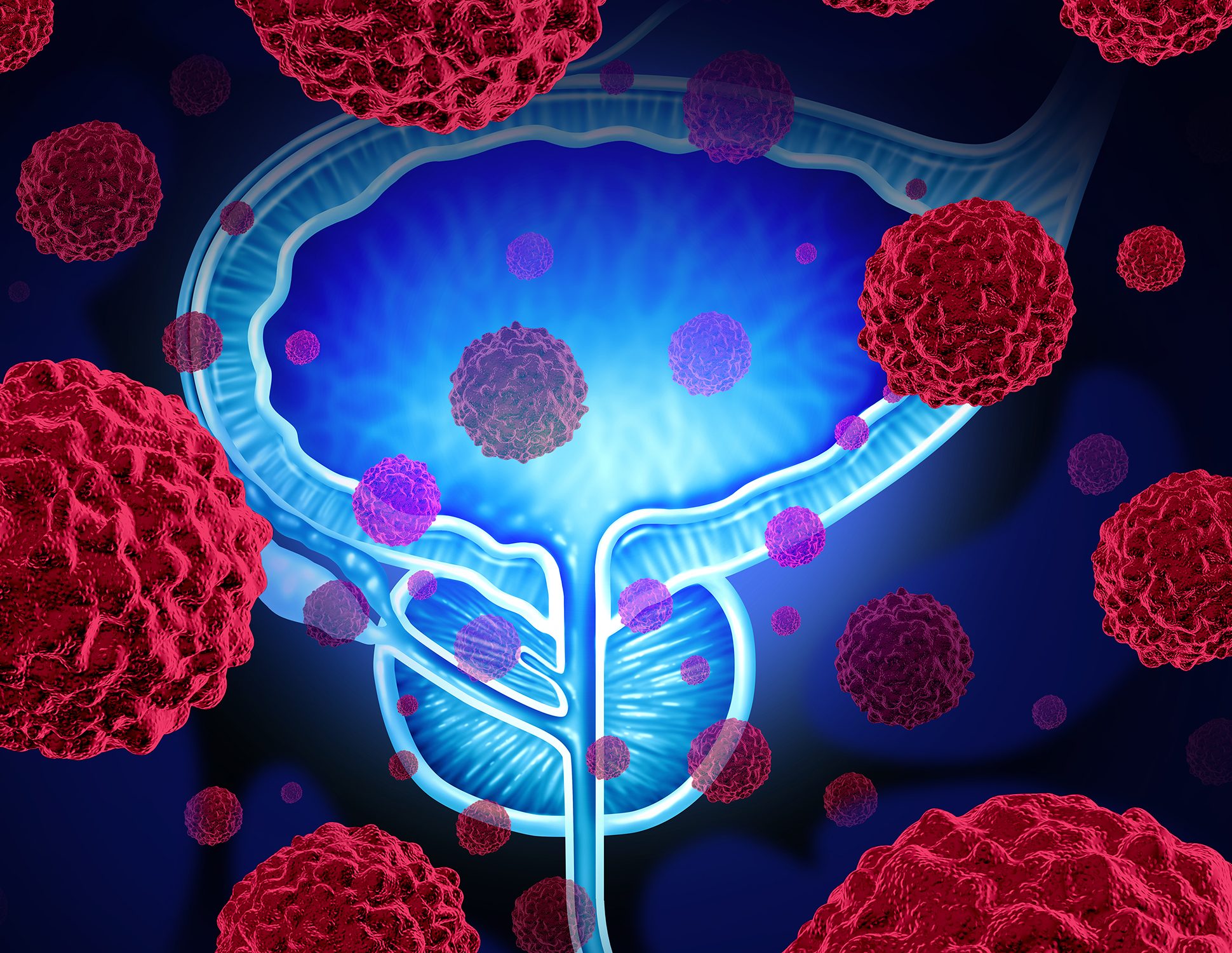
Researchers at Weill Cornell Medicine and Roswell Park Comprehensive Cancer Center have genetically engineered CAR T cells that specifically target and kill bladder cancer (BCa) cells. Through their preclinical study the team, co-led by Taha Merghoub, PhD, a professor at Weill Cornell Medicine, identified the protein MUC16 as a clinically relevant target for bladder cancer, and demonstrated that direct delivery of MUC16-targeting CAR T cells into the bladder via a catheter can control bladder tumors in mice. The investigators say their study raises hopes that a similar approach may be effective in humans.
The team reported on their results in Journal of Experimental Medicine, in a paper titled “Intravesical mesothelin-based CAR T cells targeting MUC16 effectively control bladder cancer in preclinical models,” concluding that their findings “… not only establish MUC16 as a clinically relevant target for anti-BCa CAR T-cell therapy, but also suggest that intravesical delivery, a commonly used administration route in urological practice, represents a viable, easy-to-implement, and more effective strategy of antitumoral adoptive CAR T-cell transfer.”
Approximately 600,000 new cases of bladder cancer are diagnosed worldwide each year, causing nearly 200,000 deaths, the authors wrote. Treatment generally involves surgical removal of the tumor followed by chemotherapy or immunotherapy. But these approaches are associated with high recurrence and progression rates, often necessitating complete removal of the bladder, a life-altering procedure that can lead to significant complications. “Intravesical therapies are the mainstay of bladder cancer (BCa) management, but their efficacy is limited by toxicities and recurrences,” they continued. “Given these challenges there is a significant unmet clinical need, driving renewed interest in bladder-sparing therapies for patients with high-risk bladder cancer who are unfit or unwilling to have their bladder removed,” Merghoub said.
CAR T cells are immune cells genetically engineered to express an artificial receptor protein capable of specifically targeting cancer cells. This type of immunotherapy has been successfully used to treat many different types of blood cancer. But success against solid tumors has so far been limited due to challenges that include poor tumor infiltration and off-target toxicity. Merghoub and colleagues attempted to overcome these issues by creating CAR T cells with high specificity for bladder cancer cells and then delivering them directly to the bladder via a catheter, known as intravesical delivery.
The team developed an antigen discovery pipeline, through which they identified MUC16 as a promising BCa target. “In this study, we leveraged a computational antigen-identification pipeline, which prioritized high tumor specificity and minimal pan-tissue expression to rationally identify MUC16 as a potential target for BCa-directed CAR T-cell therapy,” they stated. The researchers also noted that MUC16 and its soluble form, CA-125, have previously been identified as prognostic biomarkers for BCa, and MUC16 has been investigated as a CAR T-cell therapy target in other malignancies, and particularly ovarian cancer.
Through their newly reported study the investigators found that MUC16 is highly expressed on the surface of many bladder cancer cells, including types that are resistant to existing therapies, but is largely absent from normal bladder cells and other healthy tissues. “Given its favorable expression profile, absence in normal bladder, and high expression across a broad spectrum of bladder tumors analyzed collectively spanning a total of 1,292 patients, including those recalcitrant to existing therapies, MUC16 was selected as the lead candidate for BCa-specific CAR T-cell therapy development,” they wrote.
The researchers then generated CAR T cells that target MUC16. In initial tests these CAR T cells were able to kill MUC16-positive tumors grown in the lab from patient-derived bladder cancer cells. Merghoub and colleagues then tested the ability of the MUC16-targeting CAR T cells to control the growth of human bladder cancer cells implanted in the bladders of mice. The team found that the CAR T cells were ineffective when administered intravenously, but when delivered intravesically, they reduced tumor growth and extended survival. When administered directly into the bladder, the CAR T cells were unable to spread into the rest of the body, minimizing the risk of any side effects in other tissues. “Intravesical delivery of these CAR T cells reduced the growth of BCa xenografts and prolonged survival in xenograft-bearing mice, showing superior efficacy compared with typical systemic CAR T-cell administration,” the investigators noted.
“Development of engineered T cells for solid tumors has been challenging, in part due to normal tissue expression of potential target antigens,” Wolchok says. “Using a compartmentalized delivery system allows us to overcome this hurdle and hopefully come one step closer to broader use of CAR and transgenic T cells for common solid tumors, like bladder cancer.”
“Our findings establish MUC16 as a clinically relevant target for CAR T-cell therapy in bladder cancer, and highlight that intravesical delivery, a commonly used administration route in urological practice, represents a feasible, effective, and readily easy-to-implement strategy for adoptive CAR T-cell transfer,” Merghoub said. “This approach could be useful for both initial treatment of bladder cancer as well as treatment refractory subsets of tumors, offering an attractive therapeutic option for patients who may have limited therapeutic alternatives besides bladder removal.”
In their paper the team also suggest that their findings “… lay the groundwork for refining CAR T-cell therapies targeting other antigens for BCa.”
The post Intravesical CAR T-Cell Therapy Reduces Bladder Cancer Growth in Preclinical Model appeared first on GEN - Genetic Engineering and Biotechnology News.
Apa Reaksi Anda?
 Suka
0
Suka
0
 Kurang Suka
0
Kurang Suka
0
 Setuju
0
Setuju
0
 Tidak Setuju
0
Tidak Setuju
0
 Bagus
0
Bagus
0
 Berguna
0
Berguna
0
 Hebat
0
Hebat
0