































































Candida auris Persists in Hair Follicles, Hijacks Immune Signaling
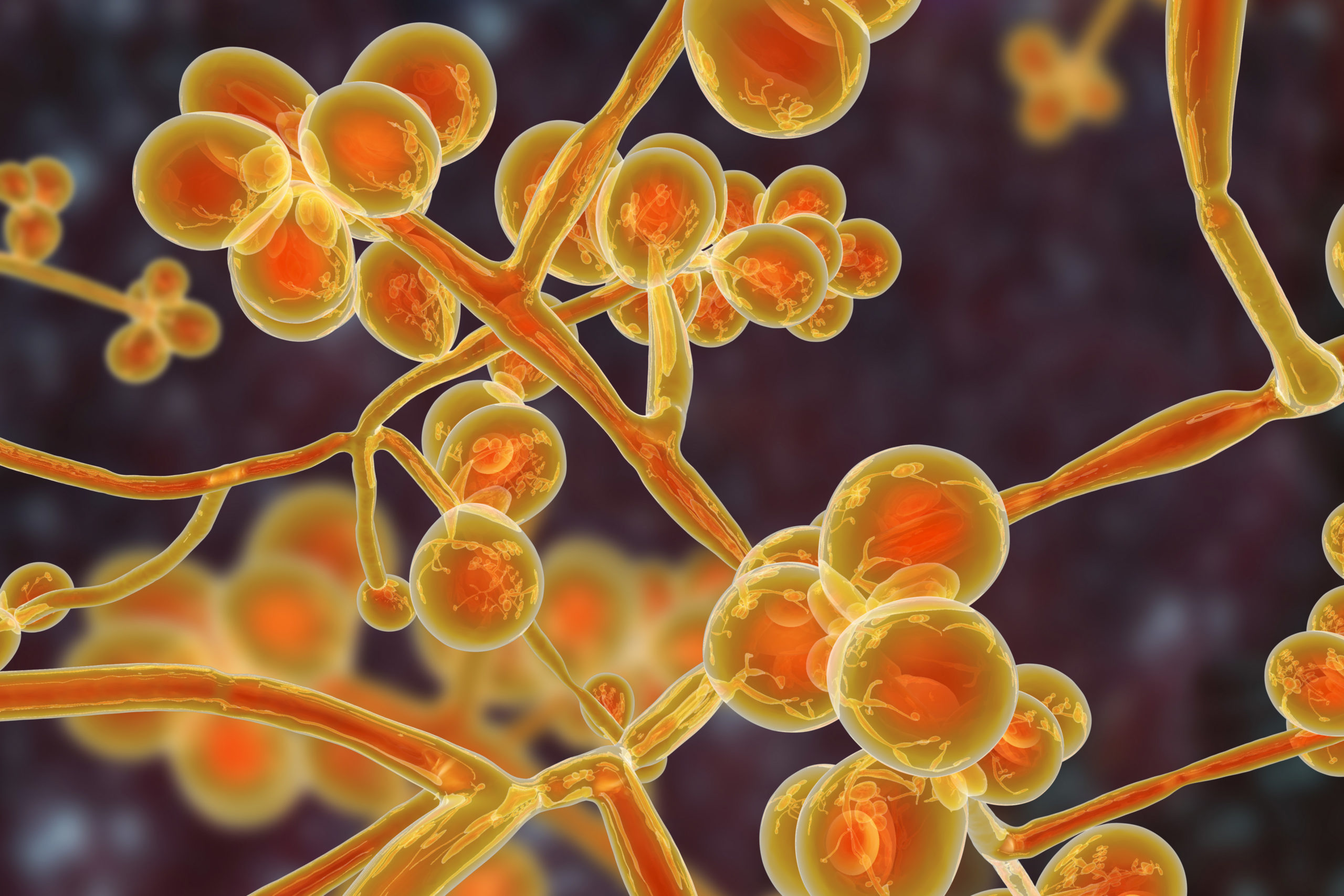
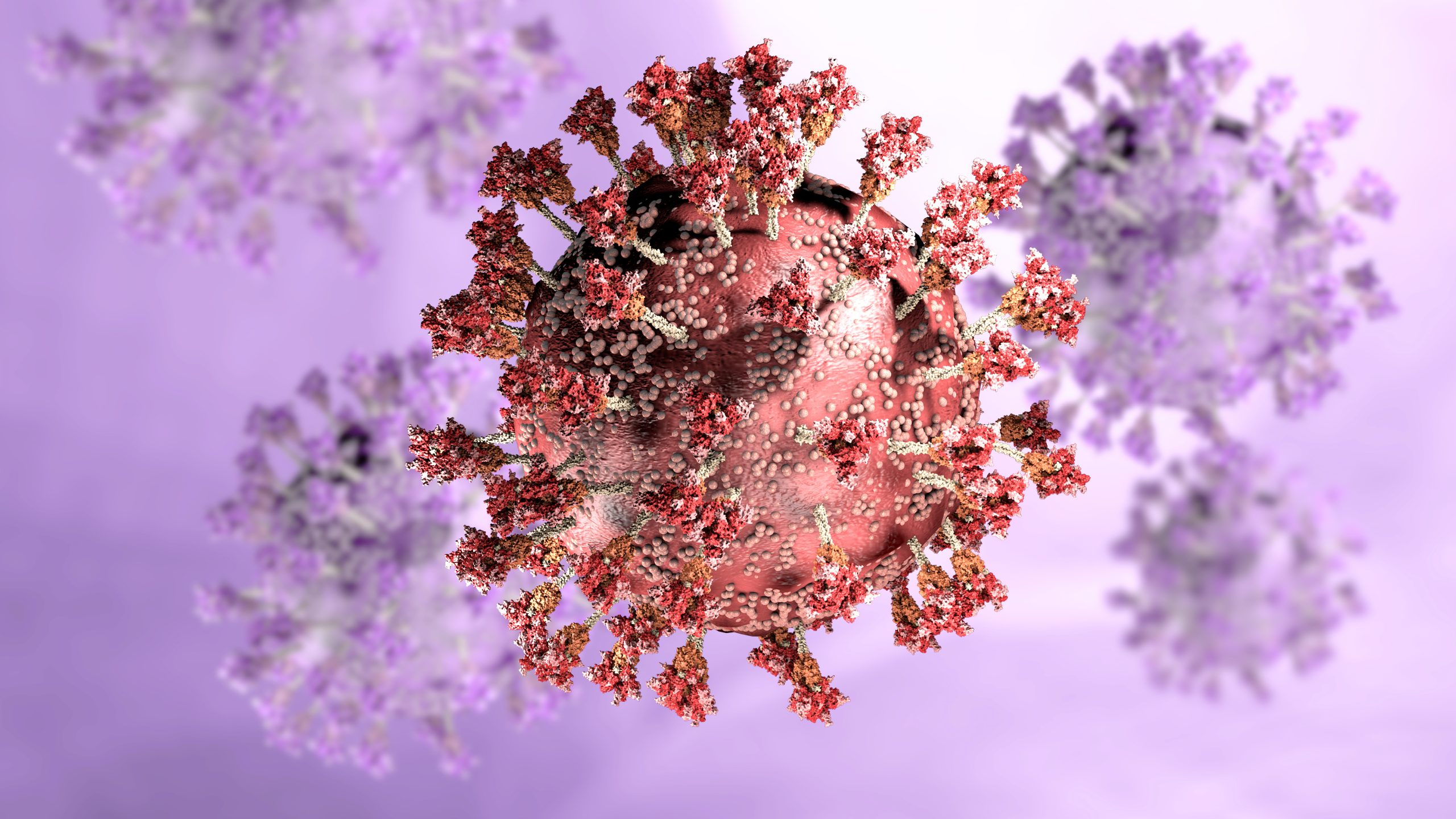
Since its discovery in 2009, Candida auris—a multidrug-resistant pathogenic yeast—has caused deadly outbreaks around the world and is responsible for roughly 3,000 deaths in patients in hospitals and long-term care facilities per year in the U.S. The fungus is known to colonize human skin, however, the mechanisms that it uses to persist on skin remain unclear.
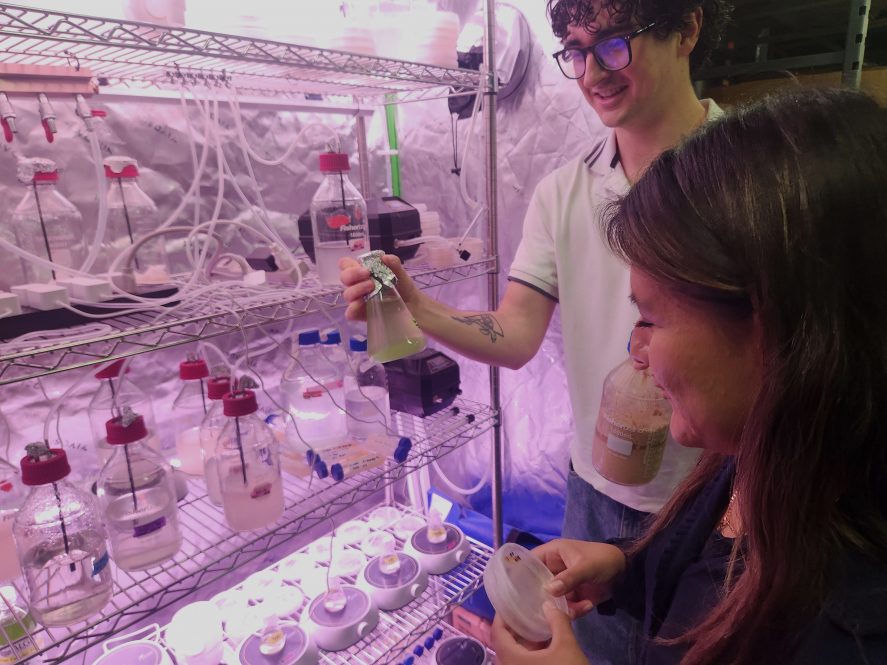
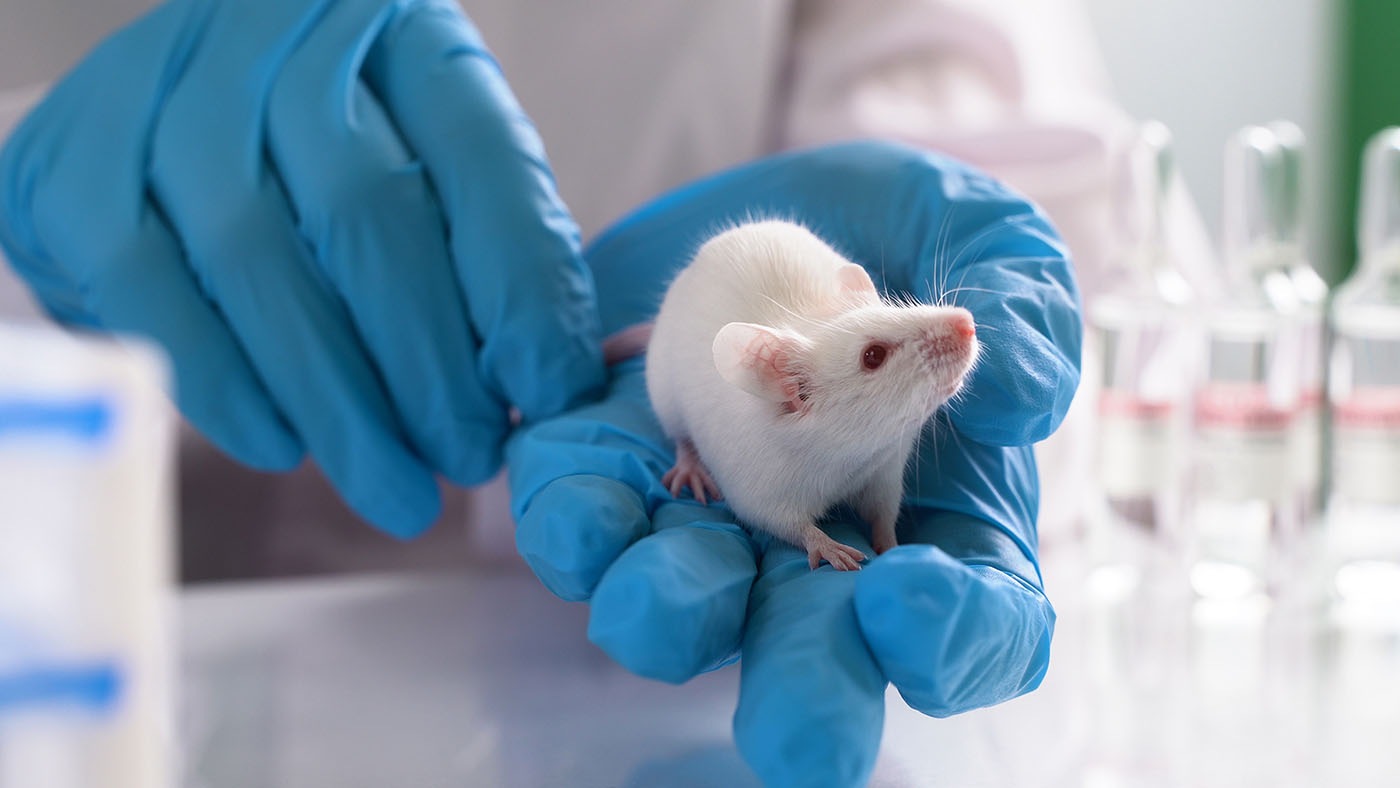
To understand the mechanisms C. auris uses to colonize the skin, a team of researchers compared it with Candida albicans—a common skin fungus that the immune system normally clears quickly. The team used mouse models, fungal and mouse genetics, immunology, single-cell RNA-seq, and volumetric quantitative confocal microscopy. In mice, C. albicans disappeared within days, but C. auris persisted, taking refuge in hair follicles.
This work is published in Science in the paper, “The fungal pathogen Candida auris exposes chitin to trigger IFNg and persist in hair follicles.”
“Candida auris colonizes skin way better than most other fungi, setting it up to invade once the immune system is weakened,” said Dean Merrill, MD, a dermatologist and professor at UCSF. “The big clinical problem is that we have no effective way to remove it from the skin.”
The researchers discovered not only that C. auris colonized mouse skin with higher titers and greater persistence than C. albicans—exhibiting direct hair-binding activity and a strong tropism to hair follicles—but also that the two produced very different immune responses.
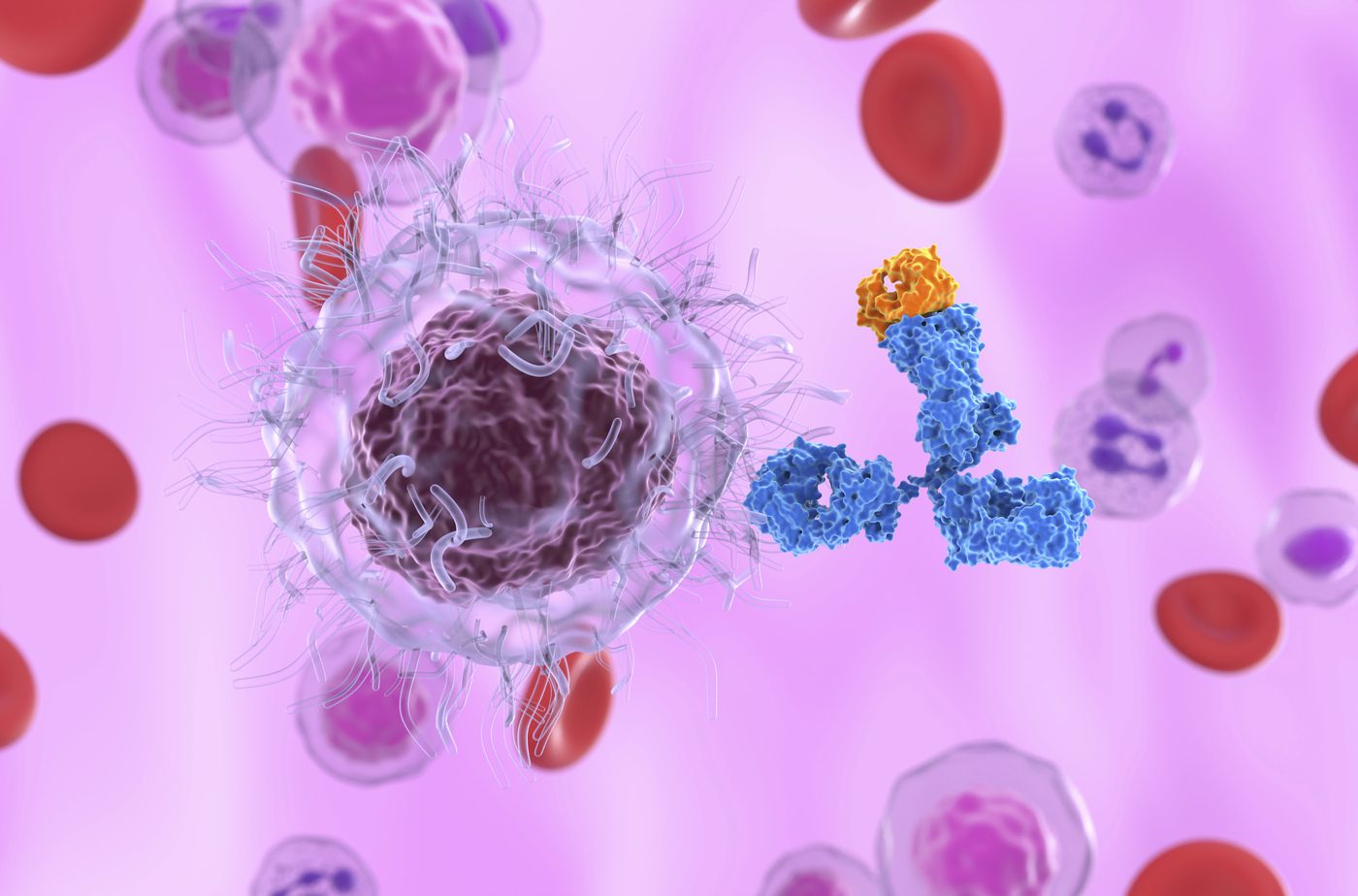
More specifically, they write, “Whereas C. albicans elicited a host-protective type 3/17 skin immune response driven by interleukin-17A (IL-17A), as previously described, C. auris triggered a type 1–skewed immune response, characterized by hair follicle–associated expansion of type 1 conventional dendritic cells (cDC1), type 1 cytotoxic T cells (Tc1), and T helper 1 immune cells (Th1), as well as increased interferon-γ (IFNγ) production. IFNγ signaled directly to hair follicle keratinocytes, reducing the expression of genes and downstream programs driven by IL-17A and associated with skin barrier function and antimicrobial defense.”
The team also used mice with defects in cytokine signaling to establish that IFNγ “promoted the persistence of C. auris in the epidermal niche while maintaining its classic host-protective role during deeper skin or blood infections.”
The C. auris remodels its exterior cell wall to expose more chitin, which spurs immune cells to release interferon gamma around the hair follicle. The interferon gamma blocked the skin’s antifungal defenses, including IL-17. It also slowed the natural replacement of hair follicle cells, leading to a buildup of older, damaged cells—a niche where C. auris could flourish.
“Chitin is widespread in nature, so it’s not like the human skin never encounters it, but we were surprised to see that C. auris actively uses its chitin to turn the skin into a perfect nest,” said Suzanne Noble, MD, PhD, professor of microbiology at UCSF.
The findings reveal potential targets for preventing C. auris from persisting on the skin. One approach could involve drugs that tilt the immune system away from interferon gamma signals and toward IL-17, which drives the skin’s normal antifungal clearing process. Or perhaps drugs that block chitin could prevent the fungus from amplifying the interferon gamma signals. More broadly, the researchers say the work offers a new way to think about how microbes can quietly coexist with us before becoming pathogenic.
The post Candida auris Persists in Hair Follicles, Hijacks Immune Signaling appeared first on GEN - Genetic Engineering and Biotechnology News.
Apa Reaksi Anda?
 Suka
0
Suka
0
 Kurang Suka
0
Kurang Suka
0
 Setuju
0
Setuju
0
 Tidak Setuju
0
Tidak Setuju
0
 Bagus
0
Bagus
0
 Berguna
0
Berguna
0
 Hebat
0
Hebat
0