





























Is Targeted Protein Degradation the “Break” Neurology Needs?
Agustus 21, 2026 - 04:10
 0  0
Is Targeted Protein Degradation the “Break” Neurology Needs?

Image of Angela M. Cacace, PhD

Angela M. Cacace, PhD

Chief Scientific Officer
Arvinas

Panelist

Image of Angela M. Cacace, PhD

Angela M. Cacace, PhD

Dr. Angela Cacace serves as Chief Scientific Officer (CSO) at Arvinas. Prior to her role as CSO, Dr. Cacace most recently served as our Senior Vice President, Neuroscience and Platform Biology. Dr. Cacace has three decades of drug discovery experience in neuroscience and oncology research across modalities. During her time at Arvinas, Dr. Cacace has led the continuous evolution of our PROTAC Discovery Engine to employ new E3 ligases and cross the blood-brain barrier for multiple neurologic disease targets.

Previously, Dr. Cacace served as the Vice President of Biology at Fulcrum Therapeutics, where she built the biology platform, grew talented scientific teams, delivered the first development candidates, and guided the development of translational biomarkers to enable clinical development programs.

Additionally, Dr. Cacace served in positions of increasing responsibility at Bristol Myers Squibb, including as the Director of Neuroscience and Genetically Defined Diseases, where she spearheaded alternative therapeutic modalities and was a co-inventor on several development candidates. Throughout her time at Bristol Myers Squibb, she was responsible for building research-wide teams and initiatives, including the Lead Discovery and Optimization functions. While serving as a Sr. Principal Scientist in Cancer Biology at Pfizer, together with her team, she discovered a novel anti-angiogenic antibody development candidate. Dr. Cacace currently serves on the Board of Directors for BioCT.

Dr. Cacace received her B.S. in Biology from Fairfield University, Ph.D. in Pharmacology from Columbia University and completed her postdoctoral research in Oncology at Bristol Myers Squibb and the National Cancer Institute.

Broadcast Date: 
  • Time: 

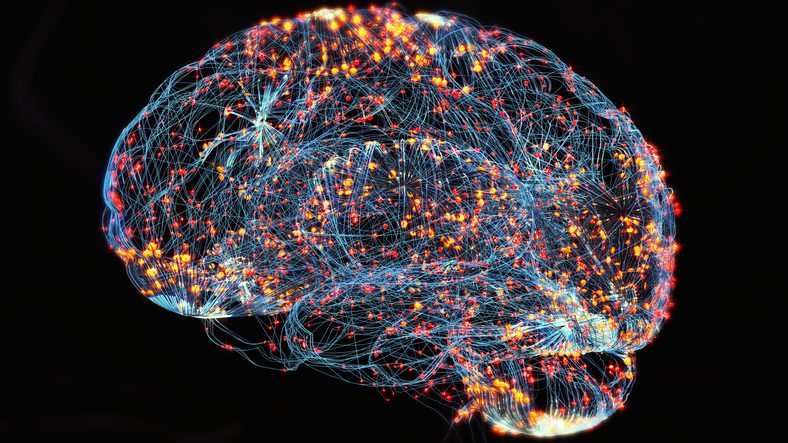
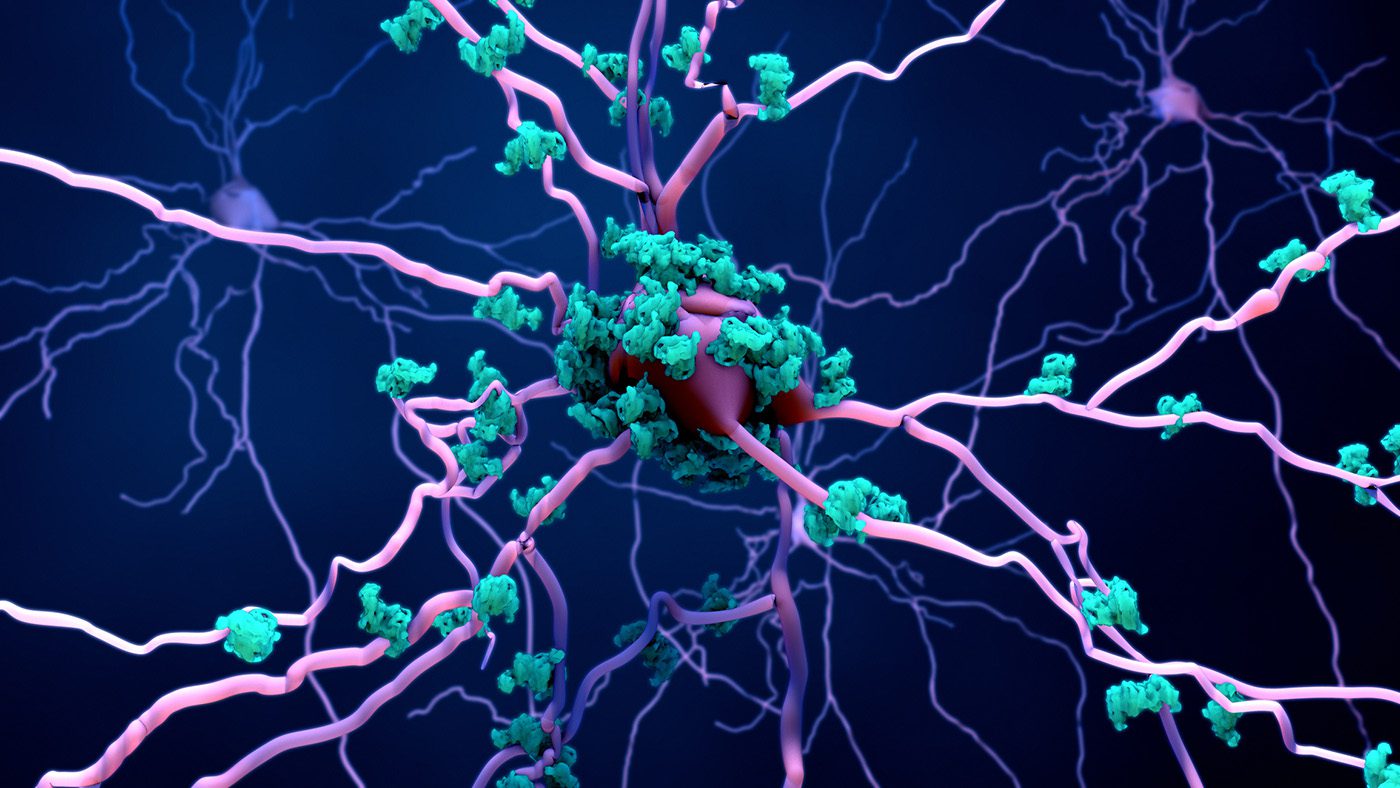
Neurodegenerative diseases have long challenged researchers developing treatments for Alzheimer’s, Parkinson’s, and other neurodegenerative conditions. Small‑molecule inhibitors have shown limited clinical benefit, amyloid‑beta–focused approaches address only one of many underlying disease drivers, and repeated late‑stage failures have underscored the biological complexity of these disorders.

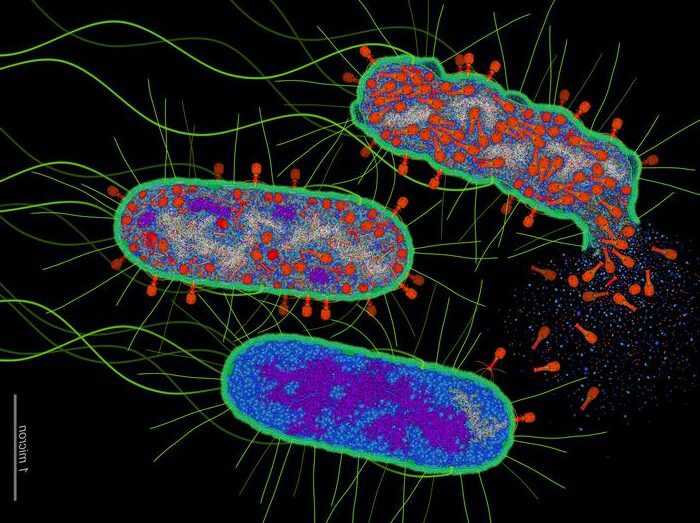
Within this landscape, the emergence of LRRK2 protein degraders and early data to date have reignited optimism—particularly as biomarker science begins to clarify which patients may benefit most. Learn more about the increasing rationale for targeting LRRK2 with PROTAC degraders and how protein degradation may enable deeper, more precise modulation of disease biology and open new avenues across neurodegenerative diseases.

A live Q&A session will follow the presentation offering you a chance to pose questions to our expert panelists.

Produced with support from:
Arvinas logo

The post Is Targeted Protein Degradation the “Break” Neurology Needs? appeared first on GEN - Genetic Engineering and Biotechnology News.

Apa Reaksi Anda?

Suka Suka 0
Kurang Suka Kurang Suka 0
Setuju Setuju 0
Tidak Setuju Tidak Setuju 0
Bagus  Bagus 0
Berguna Berguna 0
Hebat Hebat 0
Edusehat Platform Edukasi Online Untuk Komunitas Kesehatan Agar Mendapatkan Informasi Dan Pengetahuan Terbaru Tentang Kesehatan Dari Nasional Maupun Internasional. || An online education platform for the health community to obtain the latest information and knowledge about health from both national and international sources.