









































%20and%20Batch%20Production%20Records%20(BPR).png)













Periodontitis outcomes: consensus, collaboration and co-operation
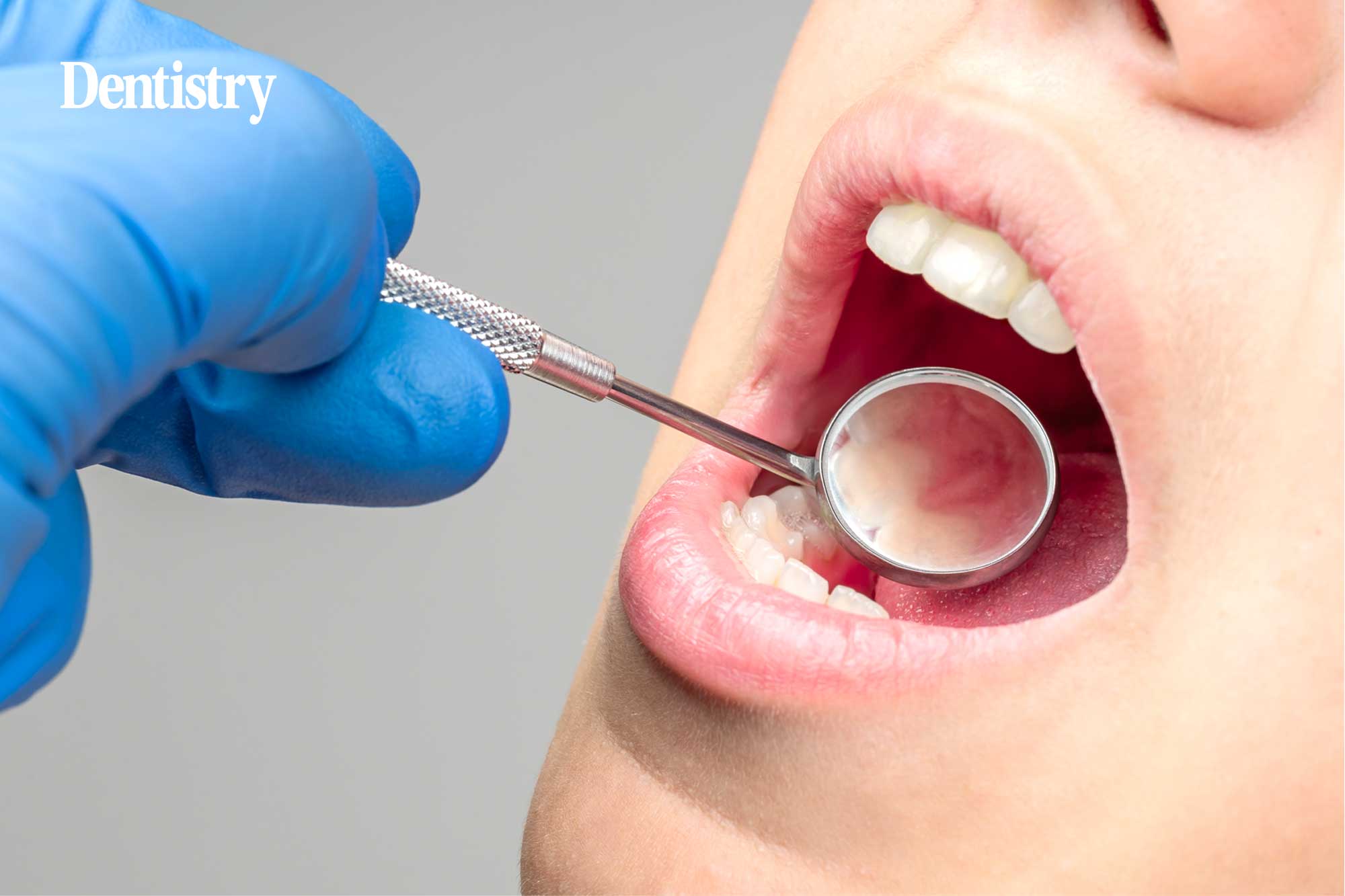
Periodontitis remains a major global health challenge, says Varkha Rattu, but better outcomes depend on consensus in diagnosis, collaboration around referral and clear communication with patients.
Periodontitis is the sixth most prevalent health condition globally. According to the Global Burden of Disease study (2017), severe periodontitis affects approximately 11% of the world’s population – around 743 million people – while milder forms affect more than half of all adults (The Economist Intelligence Unit, 2021). The global prevalence of severe periodontitis exceeds that of cardiovascular disease (7%), making it a public health challenge that demands serious clinical attention.
Bridging the gap between evidence and practice requires three things: Consensus on how we diagnose and classify disease; Collaboration in recognising when cases need specialist input; and Co-operation in communicating effectively with patients and colleagues.
Part one: consensus
Diagnosing and classifying periodontitis
In periodontology, consensus takes the form of internationally agreed classification systems and clinical practice guidelines – the foundation of good clinical decision-making.
Diagnosis is underpinned by criteria established by the European Federation of Periodontology (EFP, 2019).
Once confirmed, staging and grading characterises severity, complexity, and rate of progression. The 2017 World Workshop Classification (WWC) introduced complexity factors that shift a case to a higher stage (Papapanou et al, 2019). For example, furcation involvement Class II or III, probing depths ≥6 mm, and vertical bone loss ≥3 mm escalate from Stage II to Stage III.
These complexity factors are especially useful because they identify which clinical features are most likely to make treatment more demanding, and therefore more likely to warrant specialist input.
Part two: collaboration
Complexity factors as a framework for referral
From clinical experience, the following complexity factors should prompt serious consideration of referral following initial non-surgical periodontal therapy (NSPT):
1. Residual probing depths ≥6 mm
Subgingival instrumentation is the cornerstone of active periodontal treatment. Where residual pockets of ≥6 mm persist following NSPT, this signals the need for more advanced intervention. The EFP S3 guideline confirmed that hand and powered instruments can be utilised effectively, and adjunctive measures such as systemic antibiotics may be considered in specific categories such as generalised Stage III/IV periodontitis in younger adults (Sanz et al, 2020).
2. Vertical/Infrabony Defects ≥3 mm
Angular bony defects carry significant prognostic weight. Papapanou and Wennström (1991) found that deep intrabony defects were associated with 68% tooth loss at 10 years, compared with 13% for horizontal bone loss (Papapanou, 1991). The EFP S3 guideline gives a strong recommendation for periodontal regenerative surgery at residual deep pockets with intrabony defects ≥3 mm, supported by 22 RCTs in 1,182 teeth (Sanz et al, 2020). Techniques include barrier membranes and enamel matrix derivative, with papilla preservation flaps strongly recommended.
3. Furcation Involvement Class II and III
Furcation involvement is not, in itself, a reason for extraction (Sanz et al, 2020). For mandibular Class II furcation, regenerative surgery carries a strong recommendation supported by 17 RCTs in 493 patients. For maxillary buccal Class II, regeneration is suggested. While for Class III presentations, tunnelling, root separation, or root resection may be considered.
4. Complex rehabilitation requirements (masticatory dysfunction, secondary occlusal trauma, severe ridge defects, bite collapse, drifting or flaring, fewer than 20 remaining teeth)
Secondary occlusal trauma – occlusal overload in the context of reduced periodontal support – is a Stage IV complexity factor. Temporary splinting and/or selective occlusal adjustment may be considered throughout therapy (Sanz et al, 2020), and cases of Grade 2 mobility with fremitus can be successfully stabilised through targeted occlusal adjustment, avoiding extraction.
Ridge defects (Siebert Class I–III) represent a further indication for specialist involvement, particularly where implant rehabilitation is planned. Horizontal augmentation options include GBR, ridge splitting, and onlay grafts (Naenni et al, 2019). Vertical augmentation encompasses GBR, distraction osteogenesis, onlay block grafts, and sinus floor augmentation (Urban et al, 2019).
Part three: co-operation
The final pillar concerns communication: with patients and with colleagues. Evidence-based care is only effective if patients understand and accept the pathway offered.
When explaining the need for referral, language matters, and helping patients understand the systemic dimension is equally valuable. Periodontitis is an immune-inflammatory condition – the body’s response to persistent bacterial challenge. The inflammatory mediators generated in the periodontium can travel systemically, with established associations between periodontitis and diabetes, cardiovascular disease, rheumatoid arthritis, and Alzheimer’s disease. Framing the mouth as the gateway to the body – and periodontal treatment as an investment in overall health – can meaningfully shift patient engagement.
Taking these factors into consideration, managing periodontitis effectively demands:
- Consensus: applying internationally agreed diagnostic criteria and classification systems rigorously in every patient encounter
- Collaboration: recognising the complexity factors most likely to warrant referral, and acting on them decisively
- Co-operation: communicating openly with patients, framing advanced care as an investment in their long-term health.
Advances in ultrasonic instrumentation continue to support more efficient and predictable periodontal treatment. Devices such as the NSK Varios Combi Pro2 represent the evolution of this technology – combining ultrasonic and powder therapy in a single unit – and are an example of how thoughtfully integrated instrumentation can complement strong clinical frameworks to improve patient outcomes.
Periodontitis remains a disease of significant global public health impact. With the right clinical framework, dental professionals at every level are better placed to improve outcomes for this patient group.
References
1. The Economist Intelligence Unit. Time to take gum disease seriously: The societal and economic impact of periodontitis. Report commissioned by the European Federation of Periodontology, 2021.
2. Guidance for clinicians: Periodontitis: clinical decision tree for staging and grading, European Federation of Periodontology (2019).
3. Papapanou, P. N., Sanz, M., Buduneli, N., et al. (2018). Periodontitis: Consensus report of workgroup 2 of the 2017 World Workshop on the Classification of Periodontal and Peri-Implant Diseases and Conditions. Journal of clinical periodontology, 45 Suppl 20, S162–S170. https://doi.org/10.1111/jcpe.12946
4. Sanz, M., Herrera, D., Kebschull, M., Chapple, I., Jepsen, S., Berglundh, T., Sculean, A., Tonetti, M. S., & EFP Workshop Participants and Methodological Consultants (2020). Treatment of stage I-III periodontitis-The EFP S3 level clinical practice guideline. Journal of clinical periodontology, 47 Suppl 22(Suppl 22), 4–60. https://doi.org/10.1111/jcpe.13290
5. Papapanou PN, Wennström JL. The angular bony defect as indicator of further alveolar bone loss. J Clin Periodontol. 1991 May;18(5):317-22. doi: 10.1111/j.1600-051x.1991.tb00435.x. PMID: 2066446.
6. Naenni, N., Lim, H. C., Papageorgiou, S. N., & Hämmerle, C. H. F. (2019). Efficacy of lateral bone augmentation prior to implant placement: A systematic review and meta-analysis. Journal of clinical periodontology, 46 Suppl 21, 287–306. https://doi.org/10.1111/jcpe.13052
7. Urban, I. A., Montero, E., Monje, A., & Sanz-Sánchez, I. (2019). Effectiveness of vertical ridge augmentation interventions: A systematic review and meta-analysis. Journal of clinical periodontology, 46 Suppl 21, 319–339. https://doi.org/10.1111/jcpe.13061
This article is sponsored by NSK.
Apa Reaksi Anda?
 Suka
0
Suka
0
 Kurang Suka
0
Kurang Suka
0
 Setuju
0
Setuju
0
 Tidak Setuju
0
Tidak Setuju
0
 Bagus
0
Bagus
0
 Berguna
0
Berguna
0
 Hebat
0
Hebat
0