



















































%20and%20Batch%20Production%20Records%20(BPR).png)















Back-to-School at USP

Director, Global Biologics Marketing & Strategic Collaborations, USP
The pharmaceutical and biotechnology sectors are experiencing a historic wave of investment. Across the United States and around the world, companies are expanding manufacturing capacity, establishing new facilities, and accelerating development of innovative medicines ranging from monoclonal antibodies and antibody-drug conjugates to mRNA vaccines, gene therapies, and other advanced modalities.
Recent announcements show the scale of this momentum. In Virginia, AstraZeneca committed $4.5 billion near Charlottesville, Merck broke ground on a $3 billion manufacturing center in Elkton, and Eli Lilly announced a $5 billion facility in Goochland County. Lilly also announced a separate $3.5 billion Pennsylvania investment to support advanced therapies and injectable medicines. Together, these projects represent thousands of new jobs and more than $16 billion in capital investment.1,2,3,4.
Yet facilities, technologies, and equipment are only part of the equation. Realizing the full value of these investments depends on something equally important: a skilled workforce capable of developing, manufacturing, testing, and regulating high-quality medicines.
This need has become a central theme across industry. At the BIO International Convention in June, workforce readiness featured prominently in discussions such as Future-Ready Solutions to the Global Biomanufacturing Talent Challenge. The message was consistent: maintaining growth in life sciences requires parallel investments in education, training, and talent development.
In many ways, the industry is already responding. In Virginia, AstraZeneca, Eli Lilly, and Merck have committed up to $120 million toward development of the Virginia Center for Advanced Pharmaceutical Manufacturing, a workforce initiative expected to support thousands of future workers through credentialing and education pathways.5 Similarly, Eli Lilly has partnered with Lehigh Carbon Community College in Pennsylvania to help establish a pharmaceutical workforce development hub aligned with regional manufacturing growth.
Importantly, this trend extends far beyond the United States. In Australia, the State of Victoria partnered with Monash University to establish the Monash Centre for Advanced mRNA Medicines Manufacturing and Workforce Training, supporting the growing ecosystem surrounding Moderna and BioNTech investments.6 In South Korea, Yonsei University’s K-NIBRT Education Center, developed in collaboration with Ireland’s National Institute for Bioprocessing Research and Training (NIBRT), was created to address anticipated shortages in biopharmaceutical manufacturing talent and provide hands-on training at scale.7
These examples illustrate a broader reality: successful pharmaceutical ecosystems require sustained investment not only in manufacturing infrastructure, but also in people.
Workforce development for quality
For USP, workforce development is closely tied to medicine quality and accessibility. As an independent scientific organization whose standards are used in more than 150 countries, USP has long viewed education as a critical enabler of quality across the pharmaceutical lifecycle.
The importance of training grows as technologies evolve. Analytical methods become more sophisticated, regulatory expectations expand, and novel therapeutic modalities introduce new scientific considerations. The ability to consistently produce quality medicines increasingly depends on access to current knowledge and practical training.
USP’s approach reflects a simple principle: workforce development should not be limited to a single audience or delivery model. Instead, it should serve the broader ecosystem responsible for bringing medicines to patients.
USP pursues this mission through three complementary lenses: broad-based professional education, regulatory capacity building, and practical training solutions.
Global manufacturing workforce support
The first lens focuses on providing education that can support professionals regardless of geography, employer, or therapeutic modality.
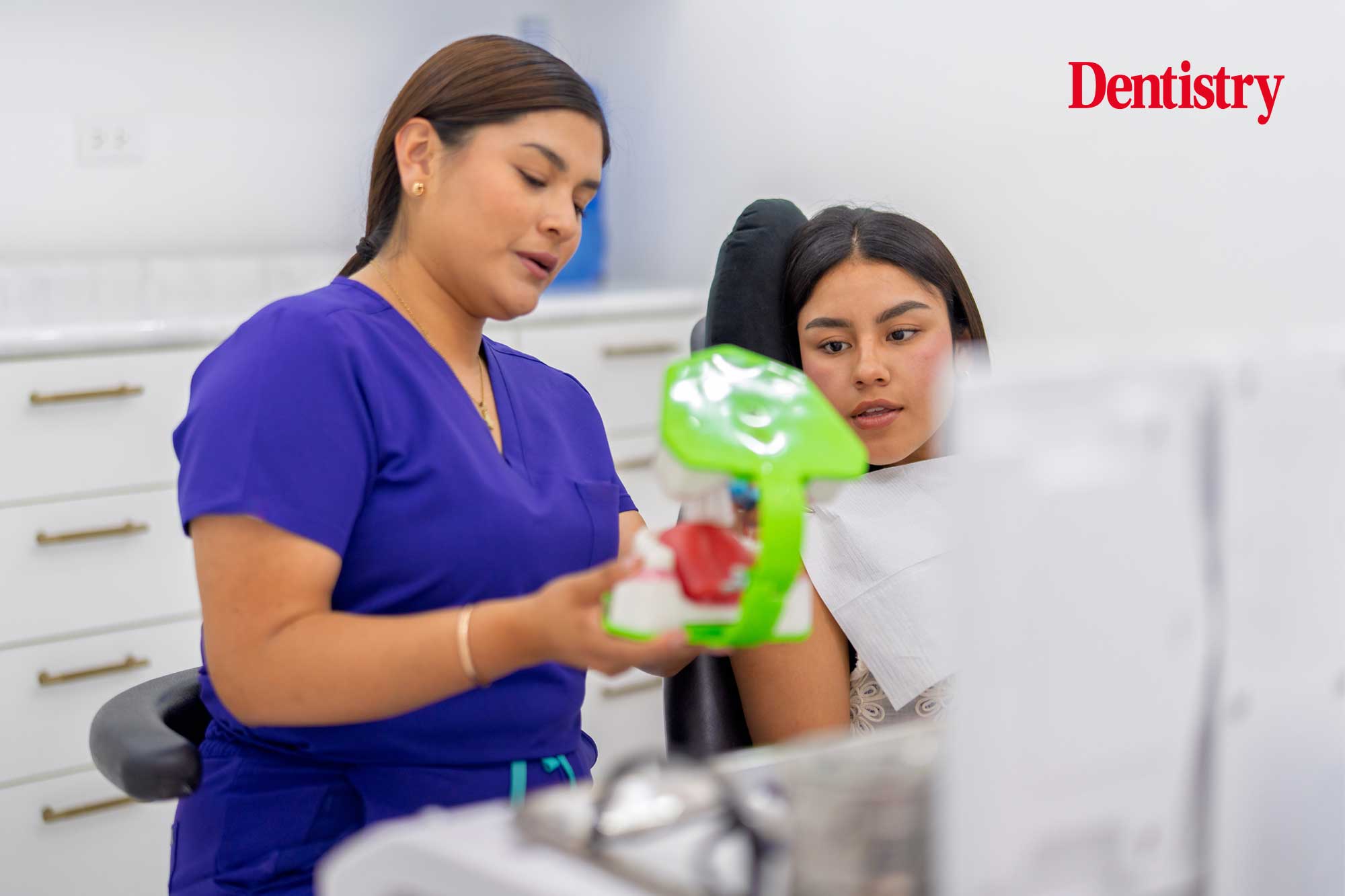
USP Education was established to help pharmaceutical scientists, quality professionals, manufacturers, regulators, and laboratory personnel effectively understand and apply public quality standards. The mission is straightforward: ensuring that the education required to interpret and apply USP quality standards remains accessible to those who need it. The program currently reaches more than 25,000 learners annually across thirty-eight countries.
Because a pharmacopeia’s primary role centers on quality standards and analytical science, much of USP’s educational portfolio focuses on analytical methodologies, quality systems, and the practical application of standards. Courses cover topics spanning compendial methods, microbiology, biologics characterization, pharmaceutical manufacturing, and regulatory science.
A distinguishing feature of the program is its connection to the standards development process itself. USP courses are developed by subject matter experts, either Expert Volunteers or USP staff, who are involved in creating USP standards. Course instructors are separately selected and qualified using a formal framework designed to assess both subject matter expertise and teaching capabilities.
Developing effective education, however, requires more than subject matter expertise. USP has invested considerable effort into the pedagogy behind its training programs. In a 2022 LTEN Focus article, USP Education leader Tim Greiner described a structured methodology for evaluating instructor qualifications that emphasizes both technical expertise and teaching effectiveness.9 The framework includes standardized instructor assessments, defined content ownership, feedback mechanisms, and continuous qualification processes designed to ensure consistency and instructional quality. This approach reflects a broader philosophy that educational excellence requires the same rigor applied to scientific and operational processes.
As the pharmaceutical and biotechnology industry’s workforce evolves, scalable training approaches such as online learning, virtual instruction, and blended educational models increasingly allow organizations to develop talent independent of location or facility-specific investments.
Strengthening regulatory capacity
Workforce development extends beyond manufacturers: medicine quality also depends on regulators who review applications, evaluate manufacturing processes, interpret analytical data, and oversee product quality throughout the lifecycle. For this reason, USP places significant emphasis on regulatory education and capacity building.
One recent example is USP’s growing collaboration with the African Medicines Agency (AMA). In April 2026, USP and AMA signed a Memorandum of Understanding establishing a framework for cooperation in regulatory science, pharmacopeial standards, capacity building, product quality monitoring, and regulatory harmonization across Africa.8 The partnership aims to strengthen regulatory systems and advance access to quality-assured medical products throughout the continent.
The agreement builds upon decades of USP engagement with national and regional regulatory authorities across Africa and complements broader efforts focused on local manufacturing, regulatory convergence, and post-market quality systems.
Strong science-based regulatory systems are increasingly important for advancing local manufacturing, enabling regulatory harmonization, and supporting access to innovative technologies. These activities help ensure that growing pharmaceutical manufacturing capacity is matched by corresponding regulatory readiness.
In the Asia-Pacific region, USP likewise supports regulator education through participation in the Asia-Pacific Economic Cooperation’s APEC regulatory training initiatives and centers of excellence. Training programs have included educational activities focused on advanced therapy products, including gene therapies. For example, USP recently conducted specialized training on qualification of raw and starting materials for gene therapies, helping regulators and industry professionals navigate evolving quality expectations associated with emerging therapeutic modalities.
By investing in regulator education alongside manufacturer training, USP seeks to strengthen the broader quality ecosystem that supports medicine availability and patient confidence.
Training beyond the classroom
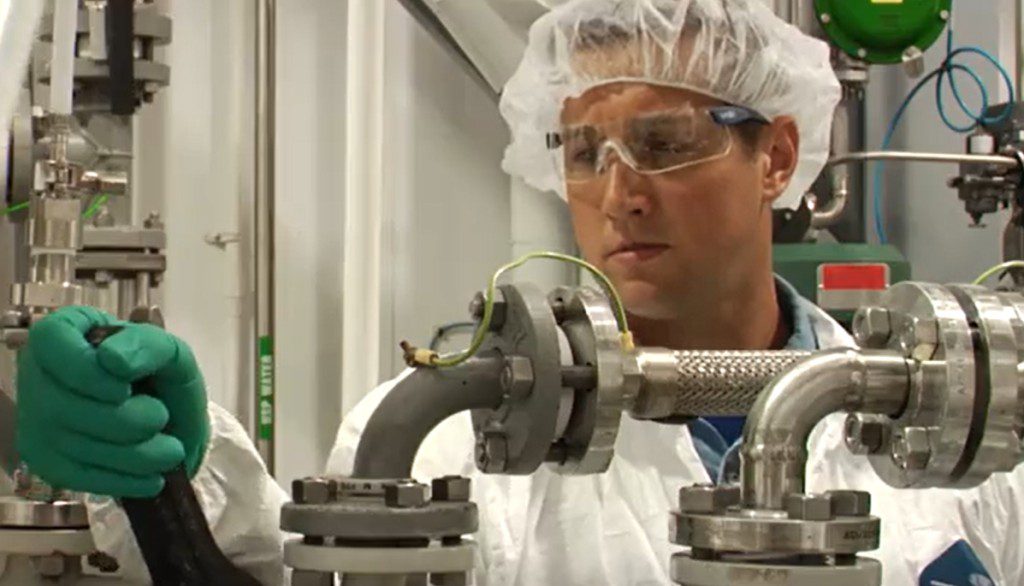
As pharmaceutical manufacturing expands, workforce development increasingly requires more than traditional classroom-based instruction. Employers need personnel who can enter manufacturing environments with practical familiarity and direct experience relevant to current production technologies.
One example is the Maryland Tech Council’s BioHub Maryland program, which recently celebrated its first group of graduates. The program was designed in collaboration with regional life science employers and prioritizes curriculum development based on feedback from an industry advisory panel. This model helps to align workforce preparation with the skills most needed by local manufacturers.
Importantly, the curriculum adapts as the industry evolves. With companies such as Kite Pharma expanding cell therapy manufacturing capabilities in the region and AstraZeneca announcing significant investments in advanced therapeutics, BioHub has incorporated training focused on cell therapy production and microbial contamination control. By connecting educators directly with employers, programs such as BioHub help ensure that workforce development efforts remain relevant to emerging manufacturing needs.
These initiatives illustrate an important principle: workforce development is most effective when educational institutions, industry, regulators, and scientific organizations work together to align training with evolving technologies and quality expectations.
While hands-on programs provide valuable experiential learning, organizations may also seek objective ways to measure competency as personnel begin performing critical activities. In high-growth manufacturing environments where employee turnover and rapid hiring may occur, objective competency assessment tools can provide additional confidence that critical techniques are being performed correctly and consistently.
Importantly, these tools do not replace training. Instead, they complement educational programs by helping organizations measure practical performance and reinforce quality-focused behaviors.
A holistic model
The pharmaceutical sector’s expansion presents an extraordinary opportunity. Billions of dollars are flowing into new manufacturing facilities, advanced technologies are progressing across biologics, mRNA therapeutics, cell and gene therapies, and precision medicines, and regional life sciences ecosystems continue to grow around the world.
Realizing the long-term value of these investments will require a workforce prepared to sustain them.
Examples from the United States, Australia, South Korea, and many other regions show that workforce development is increasingly recognized as a strategic necessity, not a supporting activity.
USP’s experience points to a holistic model: accessible education for industry professionals, support for regulators who shape medicine quality ecosystems, and practical tools that reinforce competency and continuous improvement.
As students return to classrooms and professionals continue building new skills, the life sciences industry is entering its own global back-to-school season. Facilities may be new, and technologies may evolve, but the objective remains constant: ensuring that high-quality medicines reach patients everywhere.
And that objective starts with people.
References
- Eli Lilly Pennsylvania manufacturing investment announcement (January 2026)
- Eli Lilly Virginia manufacturing facility announcement (September 2025)
- AstraZeneca Virginia manufacturing investment announcement (October 2025)
- Merck Elkton, Virginia manufacturing center announcement (October 2025)
- Virginia Center for Advanced Pharmaceutical Manufacturing MOU announcements (October–November 2025)
- Monash University and Victoria Government mRNA workforce training initiative
- Yonsei University K-NIBRT Education Center and NIBRT partnership
- African Medicines Agency–USP Memorandum of Understanding (April 2026)
- Tim Greiner, “The Who, How and When of Instructor Qualification,” LTEN Focus Magazine (Fall 2022)
- AMA–USP Regulators Forum educational program materials
Brian McNally, PhD, Director of Global Biologics Marketing & Strategic Collaborations at USP
The post Back-to-School at USP appeared first on GEN - Genetic Engineering and Biotechnology News.
Apa Reaksi Anda?
 Suka
0
Suka
0
 Kurang Suka
0
Kurang Suka
0
 Setuju
0
Setuju
0
 Tidak Setuju
0
Tidak Setuju
0
 Bagus
0
Bagus
0
 Berguna
0
Berguna
0
 Hebat
0
Hebat
0