














































%20and%20Batch%20Production%20Records%20(BPR).png)
















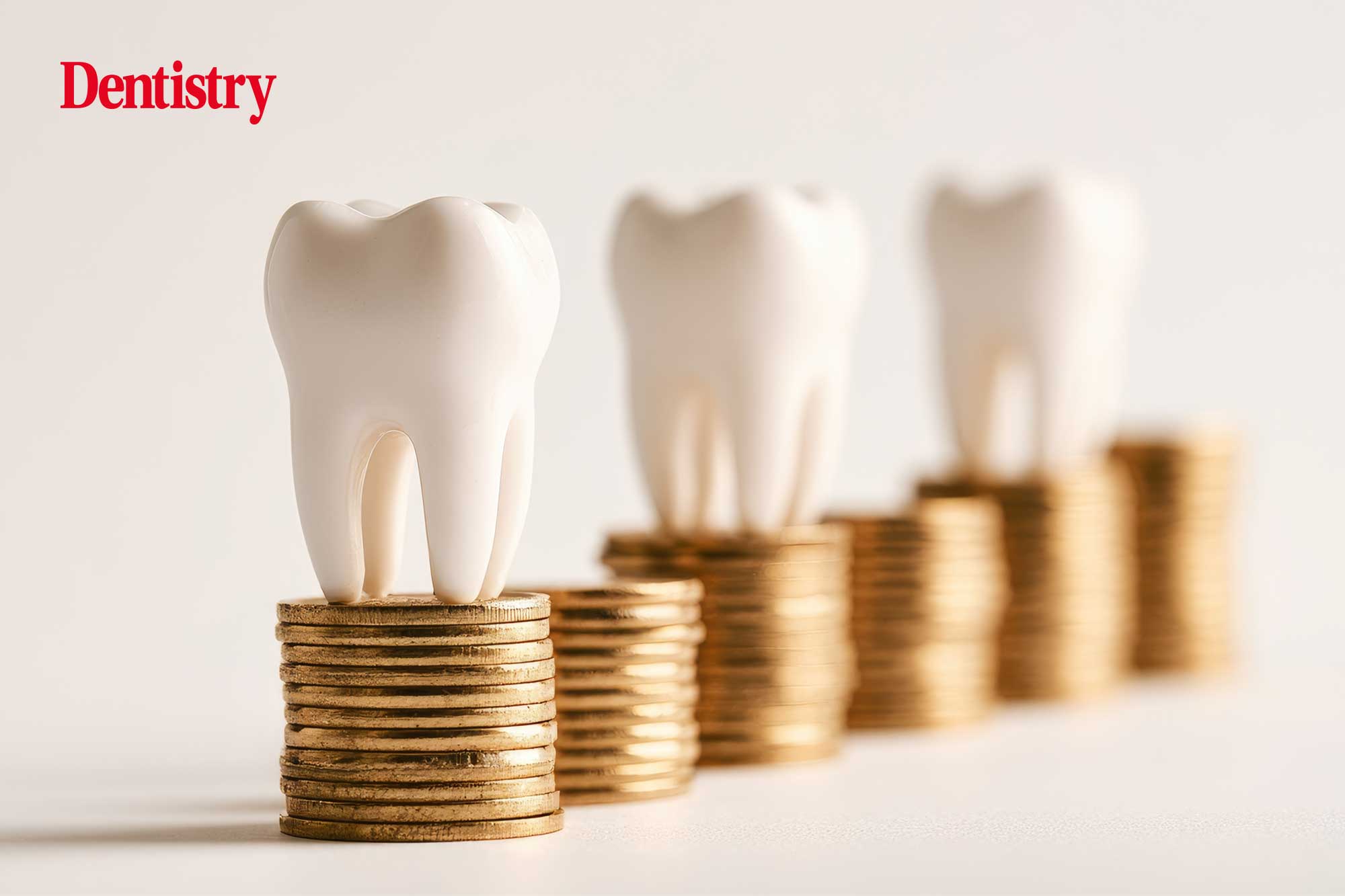
VAT on clear aligners: will patient decision making be affected?
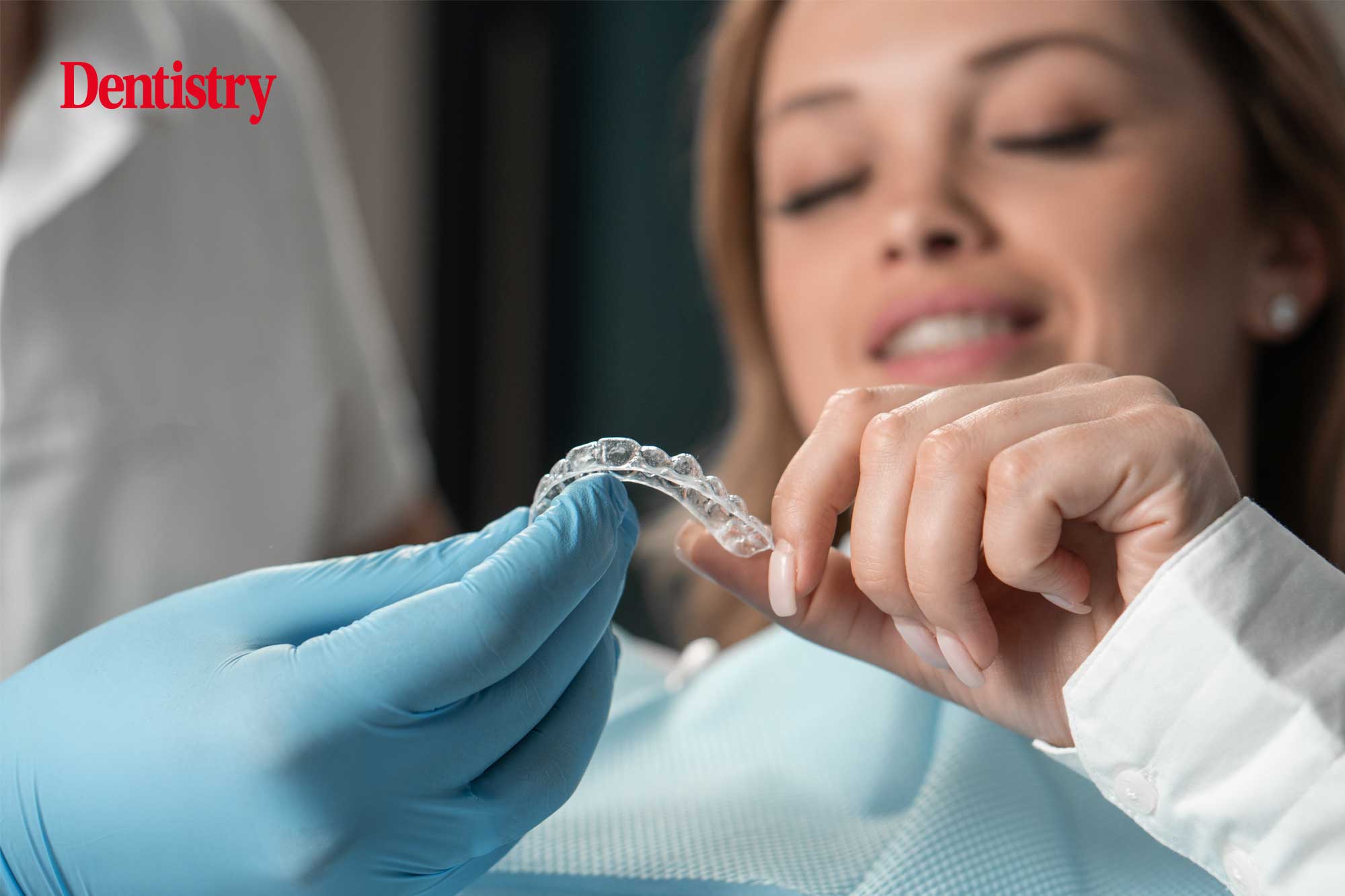
Dr Kalim Sadiq explores how the VAT ruling on clear aligners could affect orthodontic practices, treatment costs and patient preferences – plus, why affordability should never outweigh clinical suitability.
I have been practising orthodontics for over 20 years and have seen many changes during that time, including the increasing use of clear aligners in preference to fixed appliances, advances in digital orthodontics and the introduction of AI with remote monitoring. Over the past decade, clear aligners have become an increasingly popular treatment option in the UK (BOS, 2023).
In a recent tribunal, it was ruled that Invisalign clear aligners do not qualify as exempt from VAT as dental prostheses and are subject to the standard rate.
Alongside rising laboratory costs, increasing dental material costs and higher staffing costs following increases in the national living wage, the VAT ruling is bound to create additional financial pressures for dental practices.
It is unlikely that every practice will be able to absorb these additional costs indefinitely. Some practices may absorb part of the increase, while others may need to reflect some of those costs in their treatment fees. Ultimately, this will depend on each practice’s business model and financial position.
The financial impact of VAT on clear aligners
Recent British Orthodontic Society data shows that 77.3% of responding orthodontists now provide clear aligner therapy, while more than 70% have reported an increase in adults seeking orthodontic treatment in recent years.
While patients clearly continue to value aesthetic dental treatment, affordability is becoming an increasingly important consideration when choosing treatment options.
With direct to consumer aligners now widely available and fixed appliances generally carrying lower laboratory costs, patients may become increasingly willing to consider fixed braces where they are clinically appropriate. We believe the VAT ruling may accelerate a trend that we had already begun to observe in practice.
Since the ruling, we have had patients asking whether it will affect the cost of treatment and whether fixed braces now represent better value. One patient asked during a consultation whether the increase would affect their overall treatment costs. Another patient undergoing aligner treatment asked whether their agreed treatment costs would change following the ruling.
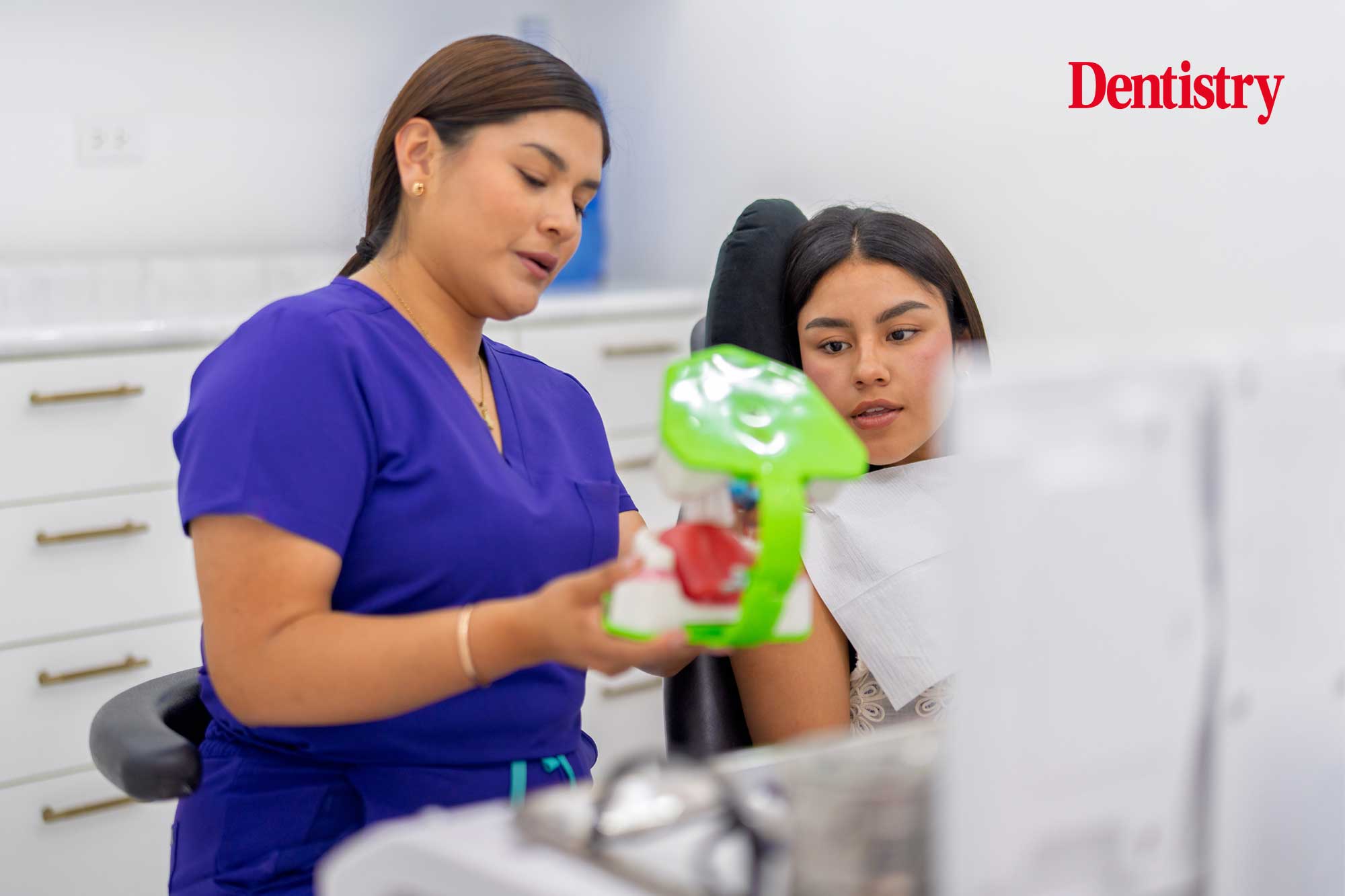
We also spoke to the mother of a patient who did not qualify for NHS orthodontic treatment. She expressed concern that Invisalign may no longer be financially achievable for her son and that fixed braces may now represent the more affordable option.
How are patient attitudes changing?
Orchard Orthodontics conducted a survey of more than 100 current patients to better understand their perceptions of orthodontic appliances and the factors influencing their treatment choices.
Our findings demonstrate that attitudes are changing. Around 91% of respondents believed adult braces are more socially acceptable today than they were five years ago. For appliance preference, 61% selected fixed braces compared with 39% selecting clear aligners. Convenience was the most commonly cited reason for appliance choice, followed by treatment time, cost, aesthetics and discreet appearance.
These results suggest that appearance is no longer the only factor influencing adult orthodontic treatment decisions. Affordability, convenience, clinical suitability and expected treatment outcomes are all becoming increasingly important considerations.
Ethics before cost
However, cost should never become the determining factor when choosing orthodontic treatment. The General Dental Council requires dental professionals to put patients’ interests first and ensure that treatment decisions are based on the patient’s individual needs, taking into account their circumstances, preferences and the most appropriate clinical outcome.
Patients should be informed of all clinically appropriate treatment options available to them. A clinician’s inability to provide a particular appliance should never limit what is presented to the patient. In accordance with GDC guidance: ‘If a task, type of treatment or decision is outside your scope of practice or you do not feel that you are trained and competent to do it, you must refer the patient to an appropriately trained colleague.’ (GDC, 2013)
Fixed braces and clear aligners each have advantages depending on the clinical objectives. Fixed appliances often provide superior control for significant tooth rotations, extrusive movements, impacted teeth and complex bite correction. Clear aligners may be more appropriate where maintaining camouflage, aesthetics or patient lifestyle are priorities. We must also consider the behavioural aspect of treatment, as some patients struggle to wear removable appliances consistently, making fixed appliances a more predictable option in those cases.
Patients should therefore receive clear information about how the VAT ruling may affect treatment costs, together with an explanation of all clinically appropriate appliance options, including fixed appliances where suitable, which tend to have lower laboratory costs and may offer a more affordable alternative for some patients.
My advice is that patients should always speak to their orthodontist and choose the treatment that is clinically right for them, rather than simply going for the cheapest option.
References
- BOS Survey, available at: https://journals.sagepub.com/doi/10.1177/14653125231204889
- BOS Survey, available at: https://www.nature.com/articles/s41415-025-8300-8?
- Orchard Orthodontics, 2026
- HM Revenue & Customs v Align Technology Switzerland GmbH [2026] UKUT 00256 (TCC), Upper Tribunal Tax and Chancery Chamber, available at: https://www.gov.uk/tax-and-chancery-tribunal-decisions/2026-ukut-00256-tcc-hm-revenue-and-customs-v-align-technology-switzerland-gmbh?
- Office for National Statistics (ONS), released 2 May 2025, available at: https://www.ons.gov.uk/peoplepopulationandcommunity/personalandhouseholdfinances/incomeandwealth/bulletins/householddisposableincomeandinequality/financialyearending2024?
- British Dental Association (2025), page 3. Available at: https://www.bda.org/media/vexpfw1b/ddrb-25-26-round-bda-submission.pdf?
- https://www.gov.uk/government/news/national-living-wage-increases-to-1271-per-hour?
- General Dental Council, Standards for the Dental Team, Principle 1. Available at: https://standards.gdc-uk.org/?
- General Dental Council, Standards for the Dental Team, Principle 6 and General Dental Council, Scope of Practice guidance. Available at: https://www.gdc-uk.org/standards-guidance/standards-and-guidance/scope-of-practice?
Follow Dentistry.co.uk on Instagram to keep up with all the latest dental news and trends.
Apa Reaksi Anda?
 Suka
0
Suka
0
 Kurang Suka
0
Kurang Suka
0
 Setuju
0
Setuju
0
 Tidak Setuju
0
Tidak Setuju
0
 Bagus
0
Bagus
0
 Berguna
0
Berguna
0
 Hebat
0
Hebat
0