











































%20and%20Batch%20Production%20Records%20(BPR).png)















The emotional burden of the hygiene appointment

Simone Ruzario explores why supporting dental hygienists’ and dental therapists’ wellbeing through the emotional toll of appointments is essential for the future of prevention-led dentistry.
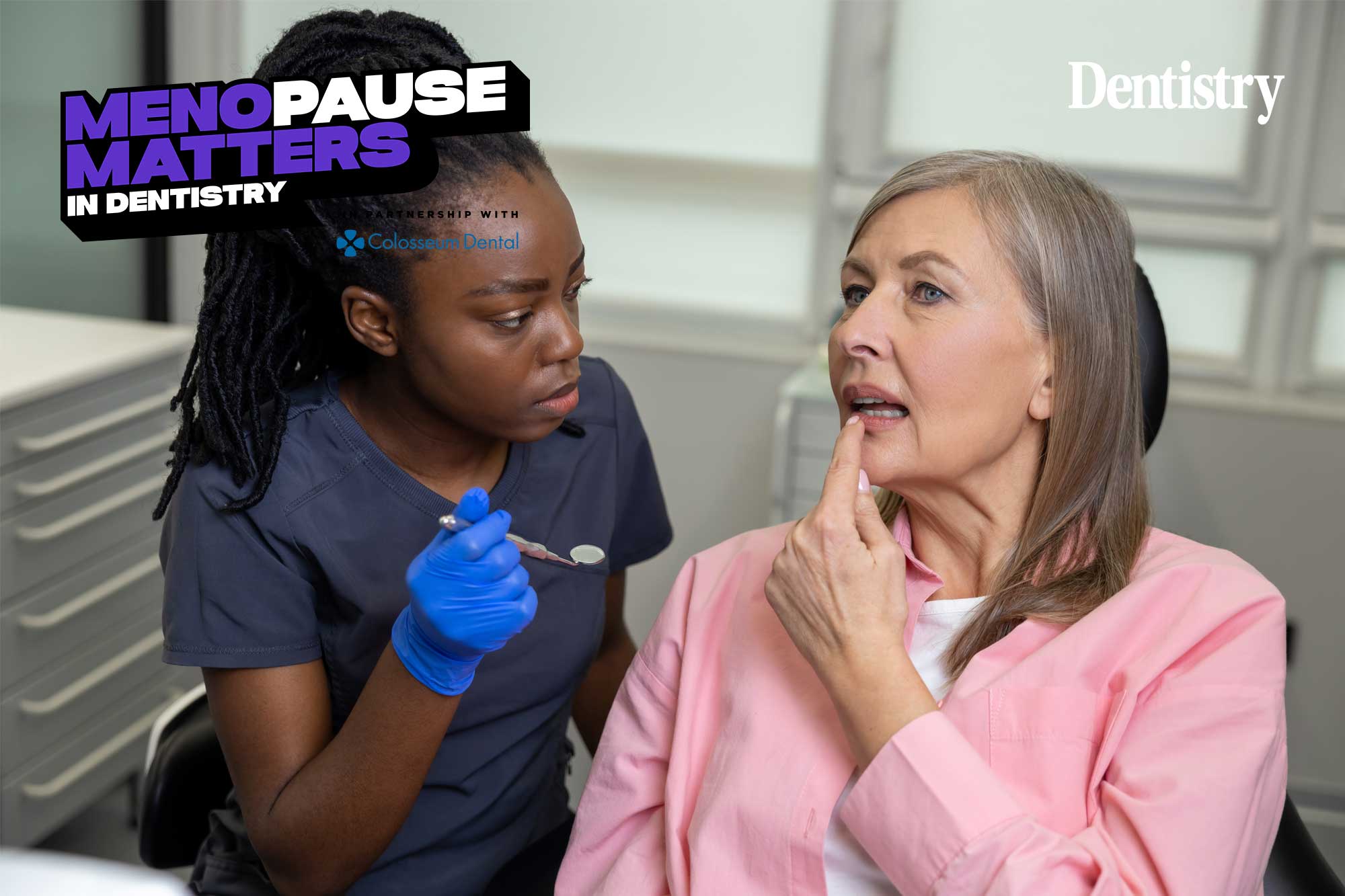
At first glance, a dental hygiene or dental therapy appointment can appear routine. A patient arrives, clinical assessments are completed, preventive advice is shared and treatment delivered before the next patient is called in.
However, those working in these roles know that the reality is often far more complex.
Dental hygienists and dental therapists frequently move through tightly scheduled appointment lists, sometimes seeing patients back-to-back throughout the day.
Within each appointment there is a need for clinical precision plus reassurance, communication and encouragement.
Over time, this combination of physical concentration and emotional engagement can create a cumulative load that is rarely visible from the outside.
As a profession, we often talk about promoting health for our patients but supporting the wellbeing of the professionals delivering that care is just as important.
Hidden demands
Dental hygienists and dental therapists occupy a unique position within the team.
Prevention sits at the centre of their role, which means appointments frequently involve conversations about oral hygiene, lifestyle factors and long-term health.
While these discussions are fundamental to preventive care and often rewarding, they can also carry a significant emotional demand.
A cross-sectional survey of 1,507 members of the UK dental workforce, published in the British Dental Journal, found that 61% of respondents reported high levels of emotional exhaustion, a key component of burnout. More than one-third of respondents showed symptoms suggestive of depression, while 8% met criteria for occupational burnout (Knights et al, 2025).
Supporting wellbeing
Recognising these pressures brings the realities of modern clinical practice to the fore and reinforces the importance of supporting the wellbeing of dental teams.
This benefits not only clinicians themselves, but the entire practice environment, including patients.
Practical adjustments within the practice can make a meaningful difference.
Realistic appointment scheduling, protected breaks and appropriate treatment times help reduce the intensity of continuous clinical work. When clinicians feel they have adequate time to provide care properly, patient interactions often improve as well.
Dentistry has traditionally been a profession where individuals feel pressure to remain resilient at all times, which can make conversations about stress or wellbeing difficult to initiate. Open dialogue and supportive leadership can help normalise these discussions and ensure that team members know where support can be found.
Alongside such practice-wide changes, individual clinicians can also take practical steps to support their own wellbeing.
Taking proper breaks, including stepping away for lunch, allows clinicians to reset both physically and mentally during busy clinical days. Basic needs should not be overlooked either; skipping toilet breaks or remaining in static postures for prolonged periods can contribute to fatigue and discomfort.
Short moments to stretch, move or adjust posture between patients can help reduce physical strain. Even a brief walk outside during lunch can provide fresh perspective and mental space away from the surgery.
Simple breathing techniques may also help during particularly demanding sessions, allowing clinicians to release tension and refocus before welcoming the next patient.
Care begins with the team
Dental hygienists and dental therapists are central to prevention-led dentistry. Our work improves patient understanding, supports the wider dental team and contributes significantly to long-term oral health outcomes.
Ensuring that these professionals feel supported and able to maintain their own wellbeing is therefore not simply beneficial for the workforce. It is fundamental to the future of preventive care, because when clinicians are well, they are better able to help others stay well too.
Follow Dentistry.co.uk on Instagram to keep up with all the latest dental news and trends.
Apa Reaksi Anda?
 Suka
0
Suka
0
 Kurang Suka
0
Kurang Suka
0
 Setuju
0
Setuju
0
 Tidak Setuju
0
Tidak Setuju
0
 Bagus
0
Bagus
0
 Berguna
0
Berguna
0
 Hebat
0
Hebat
0