

















































%20and%20Batch%20Production%20Records%20(BPR).png)















The hidden cost of cheap handpieces
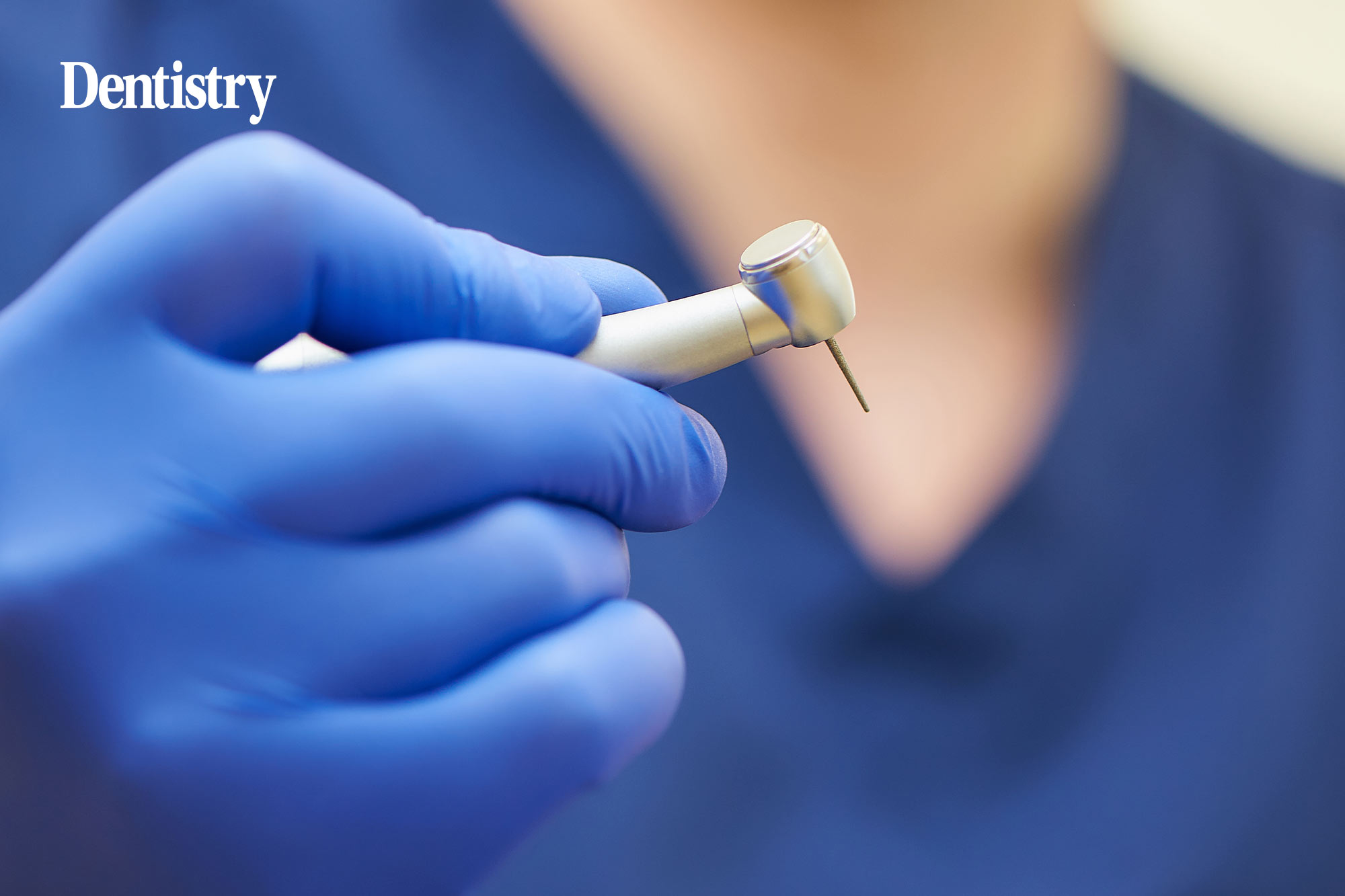
Christoper Tredwin explains why a dental handpiece’s true value extends far beyond its initial purchase price.
When investing in dental equipment, it can be tempting to focus on the purchase price. After all, practices are businesses, and controlling capital expenditure is an important part of running a successful one. But when it comes to handpieces, the cheapest option on the market is not necessarily the most economical choice.
As both a dentist, practice owner and dean of a dental school, I have come to appreciate that the true cost of a handpiece extends far beyond the figure on the invoice. Reliability, performance, maintenance, longevity and the effect on the wider practice all need to be considered. A handpiece that appears inexpensive at the point of purchase can quickly become a false economy if it compromises efficiency or creates unexpected costs further down the line.
Looking beyond the purchase price
A handpiece is a fundamental part of everyday dentistry. It is used repeatedly throughout the working day, often under demanding clinical conditions. That means even relatively small performance issues can have a significant cumulative effect.
An unreliable handpiece can require more frequent repairs, replacement parts or servicing. There is also the potential cost of having to replace it earlier than expected. When these expenses are added to the original purchase price, the apparent saving can disappear surprisingly quickly.
However, some of the most significant costs are less obvious. If a handpiece fails during a busy clinical session, the immediate issue may not be the repair bill – it is the time lost while dealing with the problem.
The cost of downtime
Clinical time is one of the most valuable resources in a dental practice and clinic. A handpiece that is unexpectedly unavailable can disrupt the entire workflow.
A procedure may need to be paused while another handpiece is located, sterilised and prepared. If a suitable backup is not immediately available, an appointment could potentially need to be delayed or rescheduled. That can have a knock-on effect, creating pressure for the dental team and inconvenience for patients.
Even when an alternative handpiece is available, changing equipment during a procedure interrupts concentration and momentum. For a clinician, this can make a straightforward appointment feel unnecessarily difficult. For the team, it may mean adapting instrument setups or finding alternative equipment at short notice. While for reception, an unexpected delay can affect the remainder of the day’s schedule.
These are difficult costs to capture on a balance sheet, but they are very real.
Performance matters clinically
Reliability is only one part of the equation. Consistent handpiece performance can also influence how predictably procedures are carried out.
A handpiece should feel comfortable and dependable throughout treatment. Factors such as cutting efficiency, torque, spray performance, illumination, vibration and ergonomics can all contribute to the clinical experience. When equipment performs consistently, the clinician can concentrate on the procedure rather than compensating for limitations in the equipment.
That predictability becomes particularly important in a busy practice. The objective is not simply to complete one procedure successfully; it is to create a workflow that can be repeated consistently, appointment after appointment.
The wider impact on the practice
Equipment problems can also affect the patient experience. Patients may not know exactly what has gone wrong when a handpiece stops working, but they will notice delays, interruptions or a change in the atmosphere of the surgery.
For the dental team, repeated equipment issues can become frustrating. Nurses need confidence that the instruments they prepare will perform as expected. Clinicians need to know that their equipment will support rather than hinder their work. Practice managers need to consider servicing, repairs, stock levels and replacement planning.
Reliable equipment therefore has a value that extends beyond the individual clinician. It contributes to a smoother, more predictable working environment for the whole team.
Thinking about total cost of ownership
For practice owners, I think the more useful question is not simply, ‘How much does this handpiece cost?’ but, ‘What will this handpiece cost us over its working life?’
That means considering the purchase price alongside expected longevity, servicing requirements, repair costs, warranty and manufacturer support, availability of parts, downtime and the impact of equipment failure on clinical productivity.
It is also worth considering ergonomics and usability. A handpiece that supports efficient clinical work can potentially provide value every time it is used. Conversely, a cheaper product that is uncomfortable, inconsistent or regularly unavailable can carry an ongoing operational cost.
Why reliability is an investment
I have seen the importance of looking at handpieces as part of the overall clinical workflow rather than as individual pieces of equipment. My W&H handpieces have supported my approach by combining performance and reliability with the practical requirements of everyday dentistry.
For me, the key lesson is that purchasing decisions should be based on value rather than simply price. That does not mean that the most expensive handpiece is automatically the right choice. It means considering what you are actually getting for your investment and how that equipment will perform over months and years of clinical use.
A handpiece may be relatively small in the context of a dental practice, but its impact is anything but small. When it is working reliably, it becomes almost invisible – allowing the clinician and dental team to focus on patients and dentistry. When it is unreliable, its cost becomes much more apparent.
Ultimately, the cheapest handpiece is only the cheapest option if it remains reliable, performs consistently and delivers value throughout its working life. For a busy practice, that is why the real question should be about total cost of ownership, not simply the initial price tag.
Create a free account for unlimited access — plus the Dentistry Bulletin delivered to your inbox.
Apa Reaksi Anda?
 Suka
0
Suka
0
 Kurang Suka
0
Kurang Suka
0
 Setuju
0
Setuju
0
 Tidak Setuju
0
Tidak Setuju
0
 Bagus
0
Bagus
0
 Berguna
0
Berguna
0
 Hebat
0
Hebat
0