
























































%20and%20Batch%20Production%20Records%20(BPR).png)
















Understanding hypersensitive gagging in dentistry
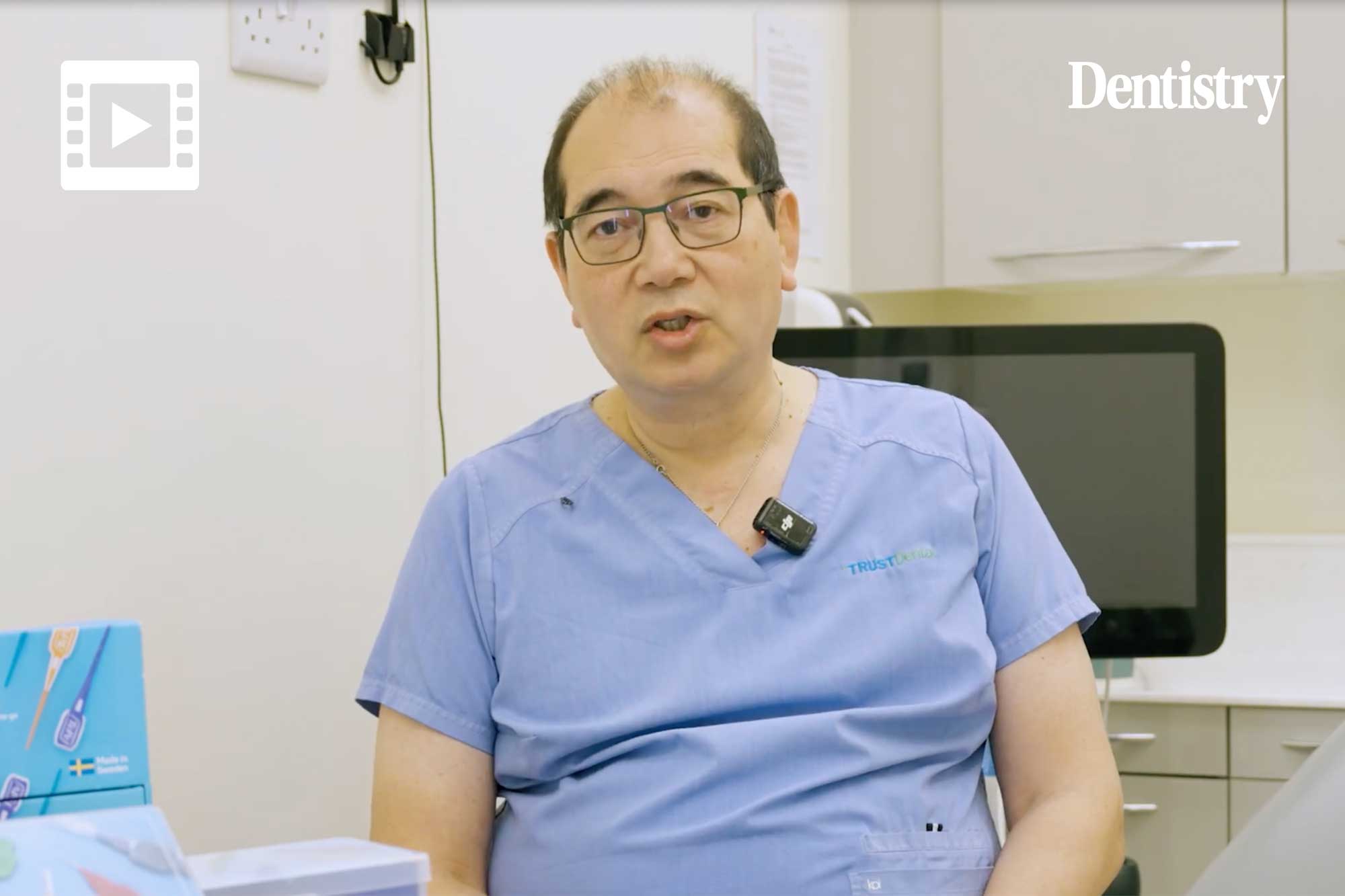
Hypersensitive gagging can turn even straightforward care into something far more difficult, not only for the clinician trying to deliver treatment, but for the patient who may already be feeling anxious, vulnerable or overwhelmed.
Rather than repeating the recording, this piece draws out some of the key themes and considers why it may be more helpful to think of the problem as an airway-related response rather than simply a gag reflex issue.
Why hypersensitive gagging is a problem in dentistry
In day-to-day practice, hypersensitive gagging can be deeply disruptive. It can interrupt treatment, heighten stress in the surgery and leave both patient and clinician feeling as though a routine procedure has suddenly become much more complex. Whether the task is taking impressions, capturing radiographs, carrying out posterior treatment or fitting dentures, the sense of choking that some patients experience can quickly become the dominant feature of the appointment. The practical consequences are significant: longer visits, compromised treatment plans and, for some patients, a growing reluctance to return for care at all. Over time, that avoidance can affect not only oral health, but trust and confidence as well.
Managing hypersensitive gagging in practice
What often helps most is not a single trick or technique, but a clinical approach that makes the patient feel safer and more in control. Calm communication, careful pacing and simple reassurance can all have a powerful effect, particularly when a patient is already bracing themselves for discomfort or panic. Small adjustments in how treatment is introduced and delivered may help reduce that sense of threat and make the experience feel more manageable. Although there is no one-size-fits-all solution, a patient-centred approach can go a long way in easing distress and improving the chances of successful care.
Not just a gag issue: an airway problem
Perhaps the most useful shift in thinking is this: hypersensitive gagging may not be best understood simply as an overactive reflex in the mouth or throat. For many patients, it is much closer to a feeling that their airway or breathing is under threat. That distinction matters. It moves the clinical focus away from trying only to suppress a reflex and towards helping the patient feel safe, able to breathe and less frightened by what is happening. Seen through this lens, the challenge is not just about avoiding a trigger point, but about reducing the sensation of choking and creating the conditions in which treatment feels possible again.
This article offers a short written companion to a topic that is familiar to many in dentistry, yet often more complex than it first appears. Recognising the impact of hypersensitive gagging, and approaching it with empathy, patience and an awareness of the airway dimension, may help clinicians support patients more effectively and make treatment feel possible where it might otherwise be abandoned.
Find out more about TePe toothbrushes.
This article is sponsored by TePe.
Apa Reaksi Anda?
 Suka
0
Suka
0
 Kurang Suka
0
Kurang Suka
0
 Setuju
0
Setuju
0
 Tidak Setuju
0
Tidak Setuju
0
 Bagus
0
Bagus
0
 Berguna
0
Berguna
0
 Hebat
0
Hebat
0