






























%20and%20Batch%20Production%20Records%20(BPR).png)










Boning Up: The Year in Bone ENDO 2026 Preview
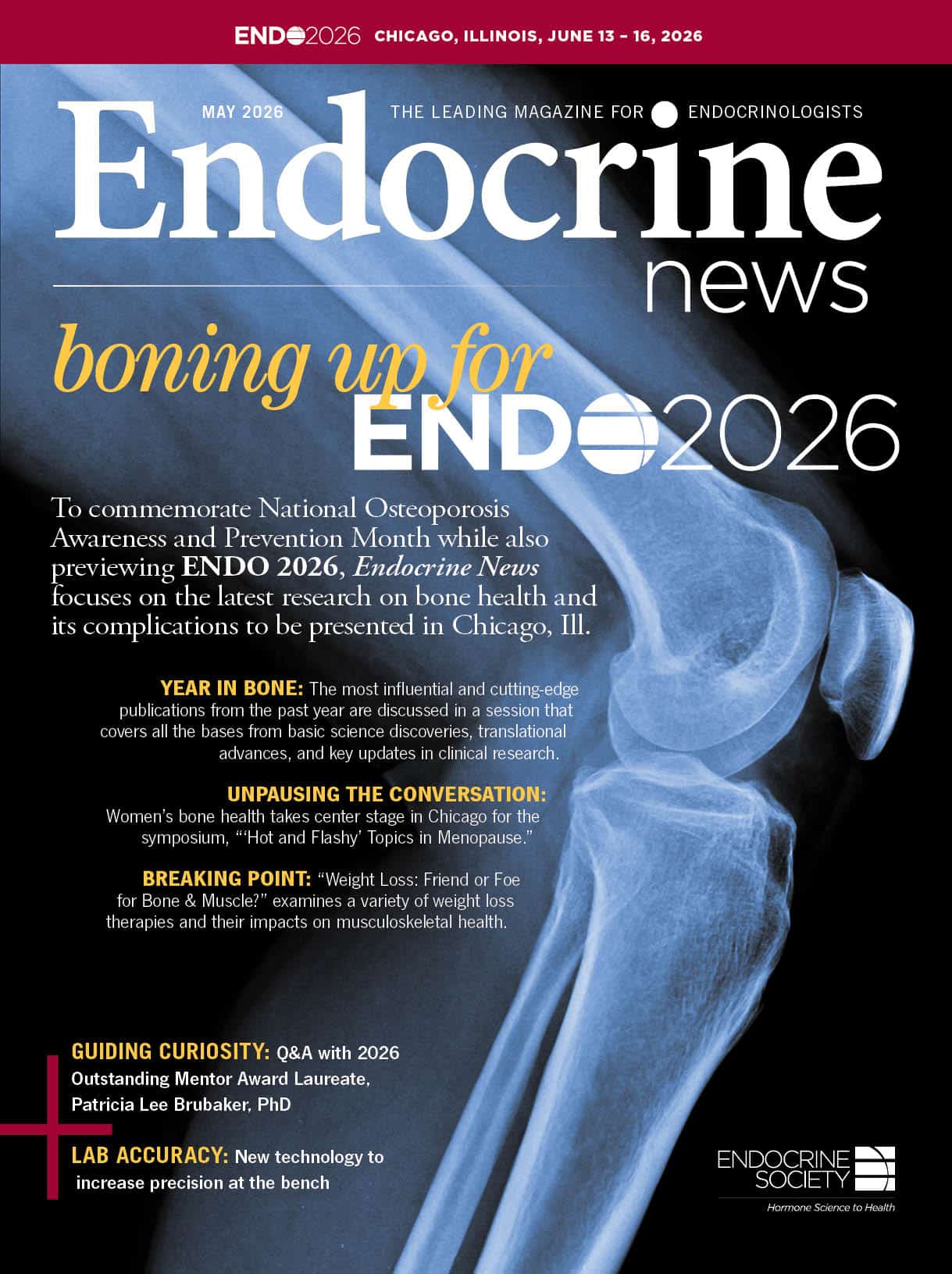
ENDO 2026 in Chicago will include a session titled “Year in Bone” featuring two leading experts in bone research who will review and discuss the most influential and cutting‑edge publications from the past year. Endocrine News provides a sneak peek of the talks on this “mysterious and dynamic tissue.”
Last February, a paper appeared in the Journal of Bone and Mineral Research titled, “Romosozumab following denosumab improves lumbar spine bone mineral density and trabecular bone score greater than denosumab continuation in postmenopausal women.”
The authors of the paper by Namki Hong, et al., write that the drug romosozumab following anti-resorptive can be an effective sequential treatment strategy to improve bone strength. However, whether the transition to romosozumab after denosumab is associated with greater improvement in bone mineral density (BMD) and trabecular bone score (TBS) compared with denosumab continuation remains unclear, the authors continue.
The researchers for this study, led by Yumie Rhee, MD, PhD, a professor in the Department of Internal Medicine at Yonsei University College of Medicine in Seoul, analyzed data from postmenopausal women who initiated denosumab between 2017 and 2020 and found that romosozumab following denosumab improved LS BMD and TBS greater than denosumab continuation in postmenopausal women.
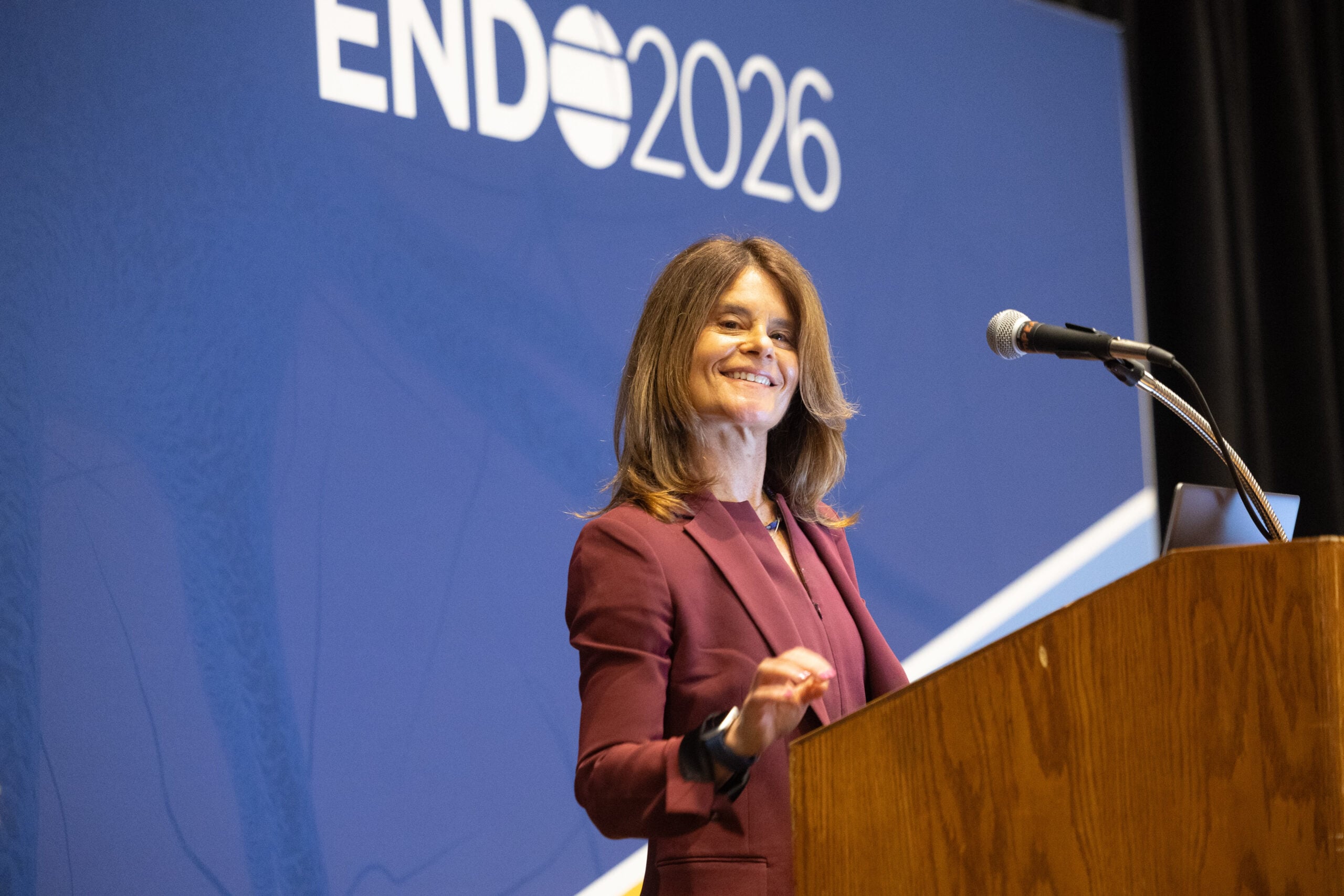
At ENDO 2026 in Chicago, Rhee will moderate the session, “Year in Bone” on Monday, June 15 from 3:30 to 4:15PM CT. “As endocrinologists, we cannot focus only on the one organ system we personally like best,” Rhee says. “We need to understand the body in an integrated way — how organs communicate with one another, how feedback systems work, and how discoveries in one area reshape the whole field. ENDO is where that happens at the highest level.
“It is a global gathering of endocrinologists where cutting-edge science, new therapies, and fresh ideas are introduced and shared all at once. For me, attending ENDO is like recharging a battery; you learn a tremendous amount in a short time, reconnect with the bigger picture of endocrinology, and come away energized. That is why I would strongly encourage people to attend this session.”
Rhee will be joined by Clifford Rosen, MD, director of Clinical and Translational Medicine at the Maine Medical Center Research Institute in Scarborough, and Dolores Shoback, MD, of the UCSF/VA Medical Center in San Francisco. Rosen and Shoback will review and discuss the most influential and cutting‑edge publications from the past year. Topics will span basic science discoveries, translational advances, and key updates in clinical research, offering attendees a comprehensive overview of the latest progress shaping the field of bone health and disease.
Latest and Greatest
Just a couple months ago, Rosen led a team of researchers to investigate the role bone marrow adipose tissue (BMAT) has on myelopoiesis and osteoclastogenesis. They hypothesized that the expansion of BMAT associated with diet-induced obesity (DIO) would have a negative impact on the bone marrow (BM) microenvironment. Using a mouse model of high-fat diet (HFD)–induced obesity, the researchers classified mice as having obesity based on pre-determined changes in body weight and fat mass.
Mice with obesity showed a rapid increase in BM adiposity that altered the molecular phenotype of BMAT, which led to changes in immune cell function and skeletal homeostasis. “Here,” the authors write, “we report that in obese mice, the expansion in BMAT is directly associated with decreased trabecular and cortical bone volume through increased osteoclastogenesis by creating an immunosuppressive BM microenvironment through elevated [programmed death ligand-1 (PD-L1)] signaling.” According to the authors, PD-L1is an immune checkpoint protein found on antigen-presenting cells, like macrophages and dendritic cells, which regulates the immune response by functioning as an immune response “brake.”
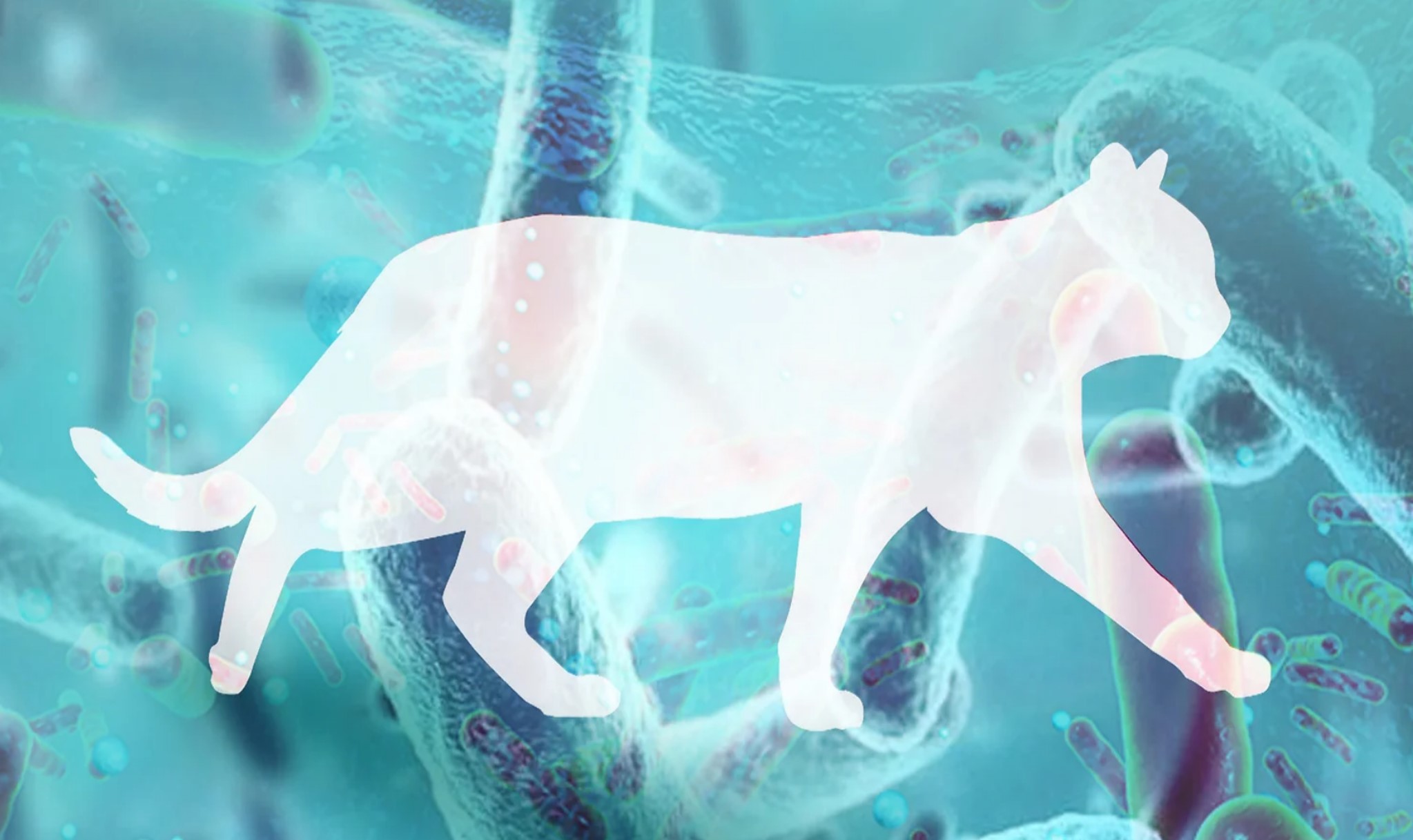
Rosen says that he is eager to share and hear in this upcoming ENDO session about developments like these – the newer developments in bone related to obesity. “I am most excited about the microbiome and bone and the new thoughts on the mechanical loading of bone,” he says. “And to hear the latest and greatest new insights into diagnosis and treatment.”
Bone: A Mysterious and Dynamic Tissue
Rhee tells Endocrine News that her interest in bone health deepened after the discovery of FGF23 in 2001, when it became increasingly clear that that bone is not simply a passive target of hormones within the endocrine system, but an active endocrine organ in its own right. “I found that idea incredibly exciting. Bone is not just something that develops ‘holes’ with aging. It is a mysterious and dynamic tissue, influenced by genetic factors and deeply connected with many other organs and systems in the body. Realizing how much is happening within bone — and how much bone itself can influence the rest of physiology — is what truly made me fall in love with this field.”
“We are now living in a super-aged society, and conditions such as osteoporosis and sarcopenia are becoming increasingly important. In this setting, I hope attendees will come away with a clear and up-to-date overview of where the field currently stands, as well as the direction in which it is moving through the efforts of many scientists and the pharmaceutical industry.” — Yumie Rhee, MD, PhD, professor, Department of Internal Medicine, Yonsei University College of Medicine, Seoul, Korea
Rosen came to discover endocrinology as anyone does – at summer camp in endocrinology as a high school student. He started as primary care physician but got referrals for endocrinology even though he wasn’t a specialist; his colleagues recognized his passion for the specialty. “Bone health came later since they never taught it at med school,” he says.
Rosen goes on to say that he hopes attendees of the “Year in Bone” session will come away with better awareness about the dynamic nature of the skeleton.
Rhee echoes that sentiment: “We are now living in a super-aged society, and conditions such as osteoporosis and sarcopenia are becoming increasingly important. In this setting, I hope attendees will come away with a clear and up-to-date overview of where the field currently stands, as well as the direction in which it is moving through the efforts of many scientists and the pharmaceutical industry.”
Solving the Puzzle
This will be Rosen’s 40th ENDO. “Back in 1986 when I joined, it was a huge accomplishment to get accepted into the Society. It’s been a great run, and I served on the Endocrine Society Board for three years, which was a great experience. I’m really looking forward to my two presentations this year.”
Rhee says her love of solving puzzles is what drew her to endocrinology, and the Endocrine Society has felt like her second home. “It may sound a little unusual, but I am someone who genuinely lights up whenever hormones come into the conversation,” she says. “My mind immediately goes to: what comes next, what does this mean, how does this connect? The Endocrine Society has been an important place that continually feeds that curiosity. It has given me a community, intellectual stimulation, and a sense of belonging in a field that I truly love.”
Bagley is the Senior Editor of Endocrine News. In the April issue, he conducted a roundtable with some of the Endocrine Society’s “Adrenal All Stars.”
The post Boning Up: The Year in Bone ENDO 2026 Preview appeared first on Endocrine News.
Apa Reaksi Anda?
 Suka
0
Suka
0
 Kurang Suka
0
Kurang Suka
0
 Setuju
0
Setuju
0
 Tidak Setuju
0
Tidak Setuju
0
 Bagus
0
Bagus
0
 Berguna
0
Berguna
0
 Hebat
0
Hebat
0