
























































Protecting Your Achilles Tendon with Dr. Seaman
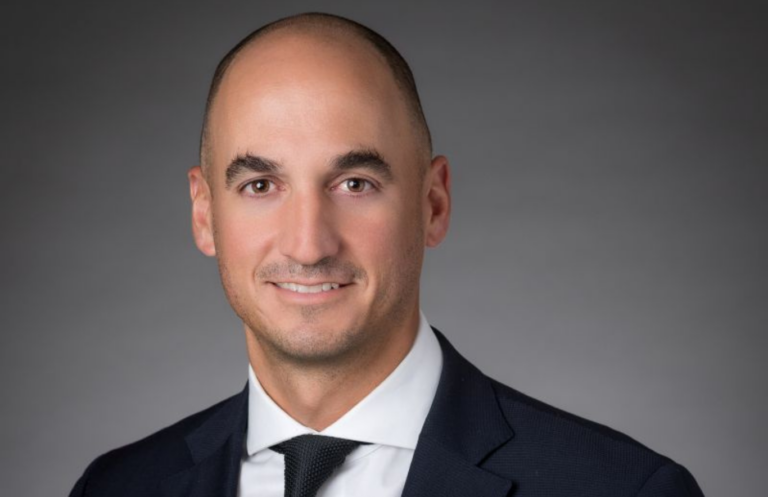
Expert Tips from Dr. Travis Seaman
As the weather warms up across Northeast Ohio, many people head back to the tennis court, pickleball court, running trail, or golf course after a less active winter. While spring and summer activities are great for staying healthy, they can also increase the risk of Achilles tendon injuries.
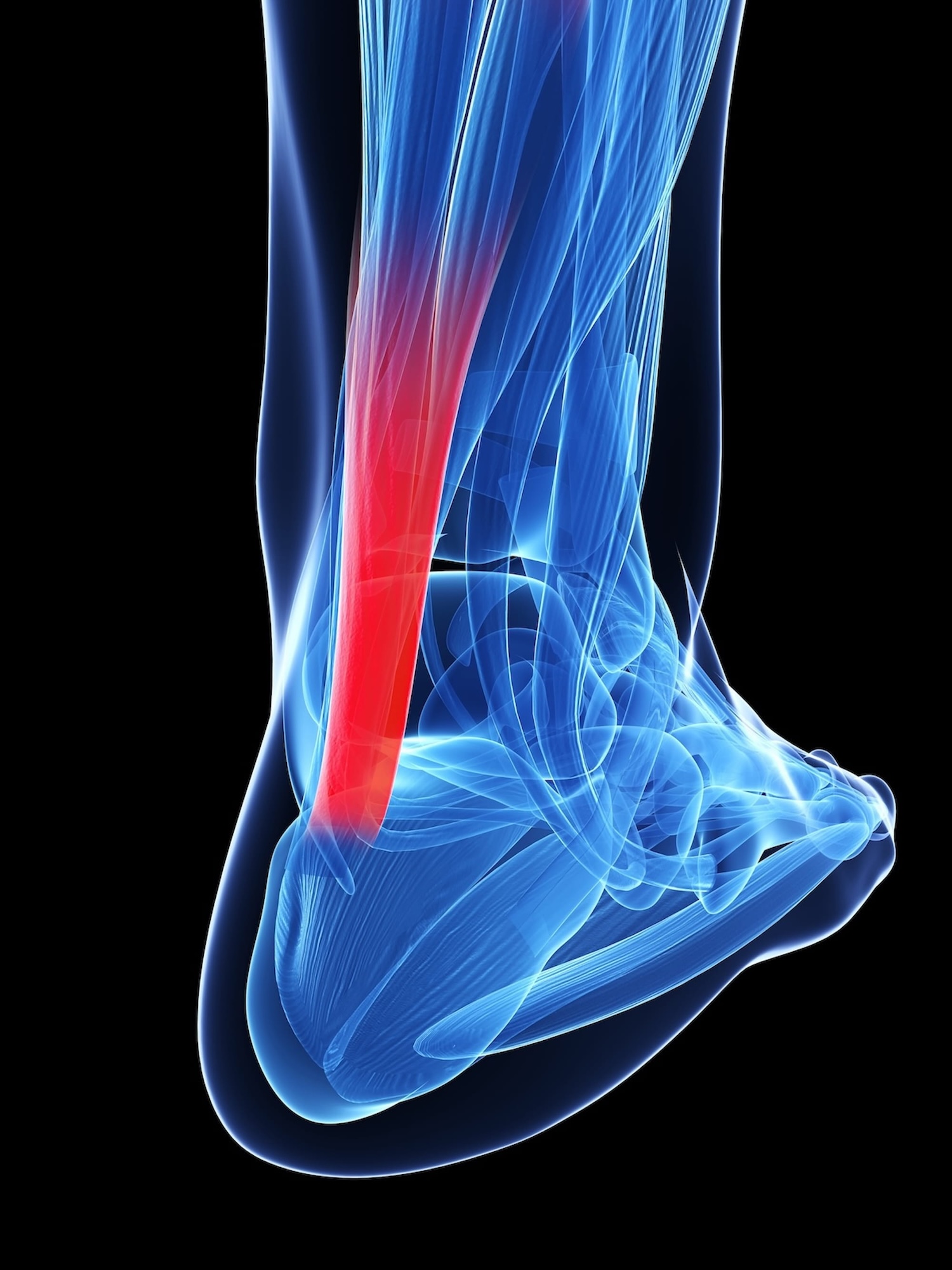
The Achilles tendon is the largest and strongest tendon in the body, connecting the calf muscles to the heel bone and helping power every step, jump, sprint, and sudden change in direction. Sports like pickleball and tennis place significant stress on the tendon because of the quick starts, stops, pivots, and explosive movements involved.
According to Dr. Travis Seaman, Board-Certified Orthopaedic Surgeon at OrthoUnited, many Achilles tendon injuries can be prevented with proper preparation, conditioning, and early attention to warning signs.
Why Achilles Injuries Increase in the Spring
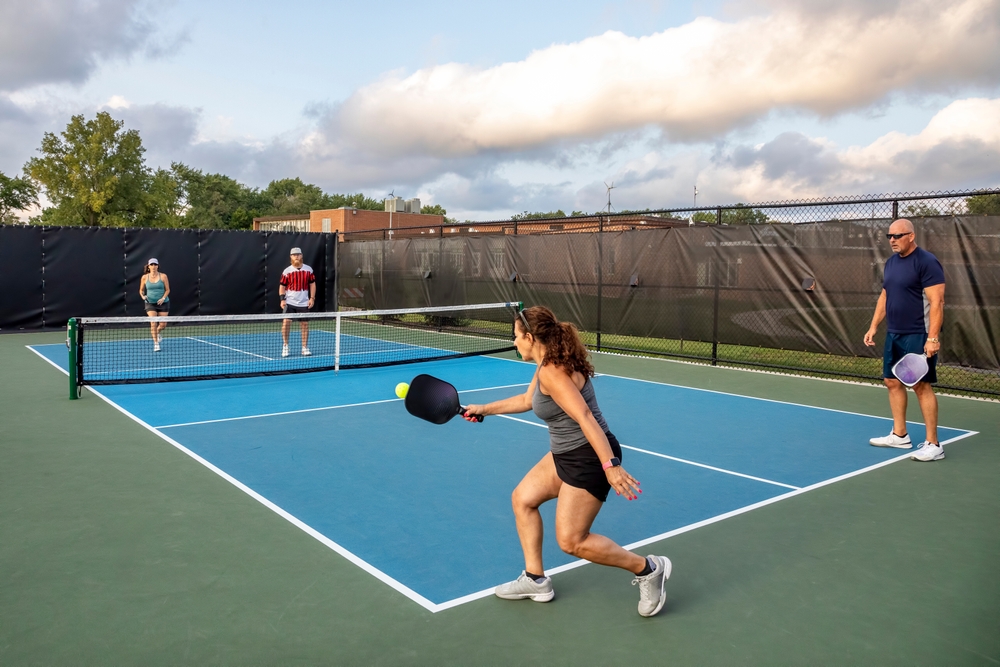
One of the biggest risk factors for Achilles tendon injuries is a sudden increase in activity level.
After spending more time indoors during colder months, many people quickly return to high-impact activities once temperatures improve. The tendon may not be prepared to handle that sudden increase in stress, especially during sports that involve rapid acceleration and direction changes.
Pickleball and tennis are particularly demanding on the Achilles tendon because they require repeated lateral movement, sudden stops, and quick bursts of speed.
Dr. Seaman notes that both recreational athletes and highly active individuals can be at risk. Going from sedentary to very active too quickly increases injury risk, while overtraining without proper recovery can also place excessive stress on the tendon.
Risk Factors for Achilles Tendon Injuries
Some Achilles tendon rupture risk factors cannot be controlled, while others can often be managed through lifestyle changes, medical care, or proper training.
Non-Modifiable Risk Factors
These factors may increase susceptibility to tendon injury:
- Age and gender
- Genetic predisposition
- Connective tissue disorders
- Certain tendon anatomy variations
- Blood type and collagen structure differences
While these factors cannot be changed, understanding them can help patients take a more proactive approach to injury prevention.
Modifiable Risk Factors
Several risk factors can contribute to tendon degeneration or increased strain on the Achilles tendon:
- Sudden increases in physical activity
- Overtraining or repetitive stress
- Obesity, which increases the mechanical load on the tendon
- Type II diabetes, which can reduce tendon elasticity
- High cholesterol, which may contribute to tendon degeneration
- Gout or elevated uric acid levels
- Foot and ankle alignment issues that create abnormal stress patterns
- Certain medications, including fluoroquinolone antibiotics, corticosteroids, statins, anabolic steroids, and some blood pressure medications
Some foot and ankle conditions may be improved with physical therapy, supportive inserts, bracing, or other orthopaedic treatments.
How to Help Protect Your Achilles Tendon
Recent medical research emphasizes the importance of balanced conditioning, proper exercise progression, nutrition, and early treatment of tendon problems to help reduce the risk of Achilles tendon rupture.
Gradually Increase Activity
Avoid jumping directly into intense activity after a period of inactivity. Build intensity, duration, and frequency slowly to allow the tendon time to adapt.
Strengthen the Calf Muscles
Strong calf muscles help reduce stress placed directly on the Achilles tendon. Calf strengthening exercises and guided physical therapy programs may help improve tendon resilience and lower injury risk.
Warm Up and Stretch
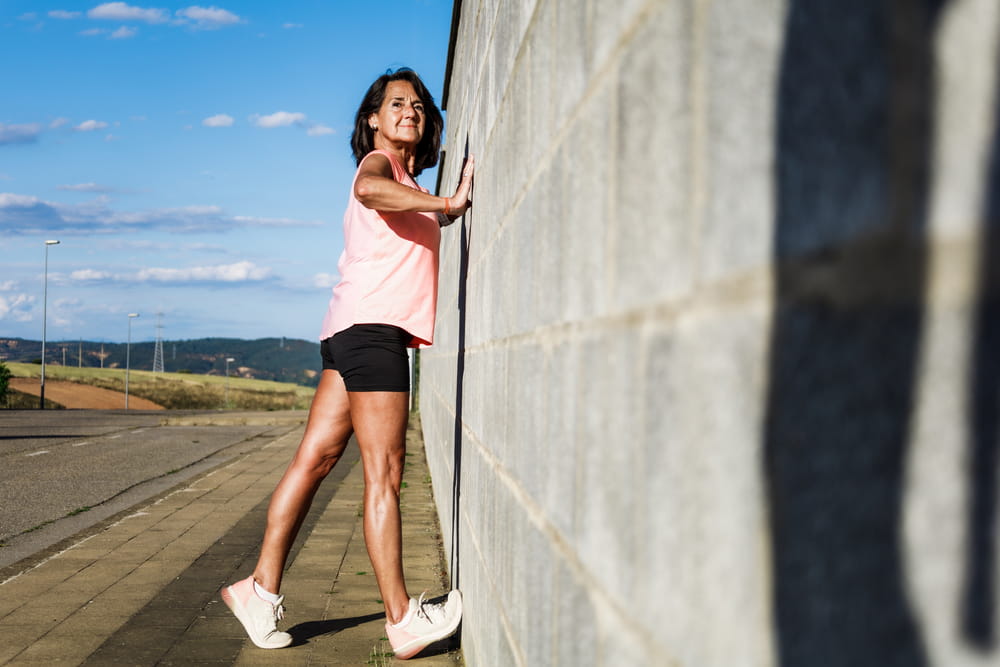
Proper warm-ups before activity help prepare the muscles and tendon for movement. Stretching and mobility exercises may also help reduce excessive strain.
Address Foot and Ankle Mechanics
Flat feet, high arches, and other alignment concerns can create abnormal stress on the Achilles tendon. Supportive footwear, orthotics, or evaluation by a foot and ankle specialist may help improve biomechanics.
Support Tendon Health Through Overall Wellness
Balanced nutrition, hydration, and management of underlying medical conditions can all play a role in tendon health. Patients with diabetes, high cholesterol, or gout should work with their healthcare providers to manage these conditions appropriately.
Don’t Ignore Early Warning Signs
Achilles tendon injuries often develop gradually before progressing into more serious problems.
Common warning signs may include:
- Pain or stiffness in the back of the ankle
- Swelling or tenderness above the heel
- Pain during activity or after exercise
- Difficulty pushing off while walking or running
- Tightness that worsens with activity
Ignoring symptoms and continuing high-impact activity can increase the risk of a more serious tendon injury or rupture.
When to See an Orthopaedic Specialist
If Achilles pain does not improve with rest, stretching, activity modification, or supportive care within a few weeks, it may be time for an evaluation.
The OrthoUnited foot and ankle team can assess tendon health, identify contributing risk factors, and recommend a treatment plan based on the patient’s condition and activity goals.
In many cases, non-surgical treatments such as physical therapy, activity modification, bracing, or supportive care can help patients recover and return to activity safely.
Stay Active Safely This Season
Spring and summer activities are meant to keep you moving, not sideline you with injury. Taking steps to prepare your body, build strength gradually, and recognize warning signs early can help reduce the risk of Achilles tendon injuries.
If you are experiencing Achilles pain or have concerns about tendon injuries, schedule an appointment with OrthoUnited’s foot and ankle specialists.
Medically reviewed by Dr. Travis J. Seaman, DO, MS, Board-Certified Orthopaedic Surgeon
The post Protecting Your Achilles Tendon with Dr. Seaman appeared first on OrthoUnited.
Apa Reaksi Anda?
 Suka
0
Suka
0
 Kurang Suka
0
Kurang Suka
0
 Setuju
0
Setuju
0
 Tidak Setuju
0
Tidak Setuju
0
 Bagus
0
Bagus
0
 Berguna
0
Berguna
0
 Hebat
0
Hebat
0