














































%20and%20Batch%20Production%20Records%20(BPR).png)














Why health care innovation is essential during uncertain times

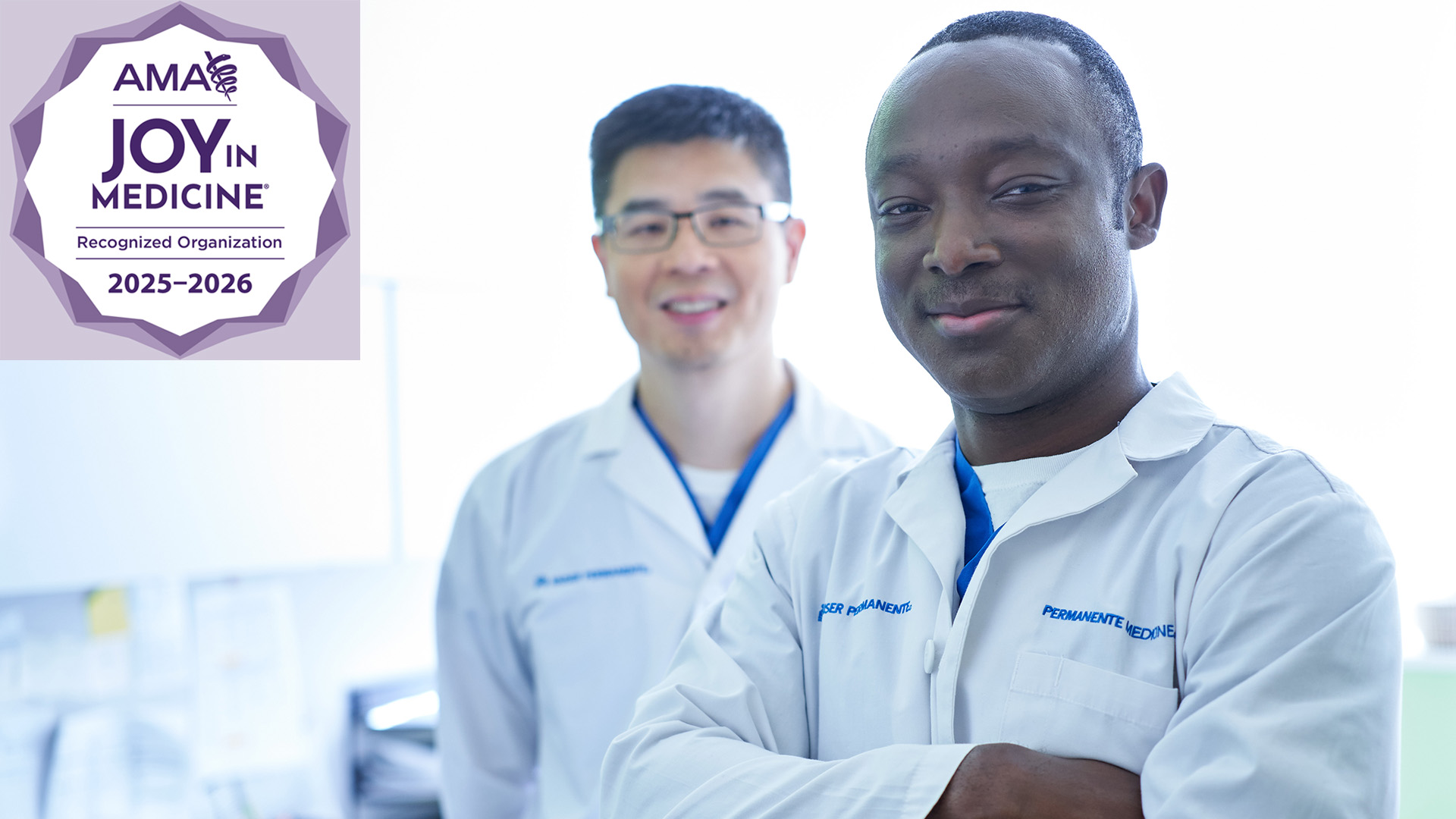
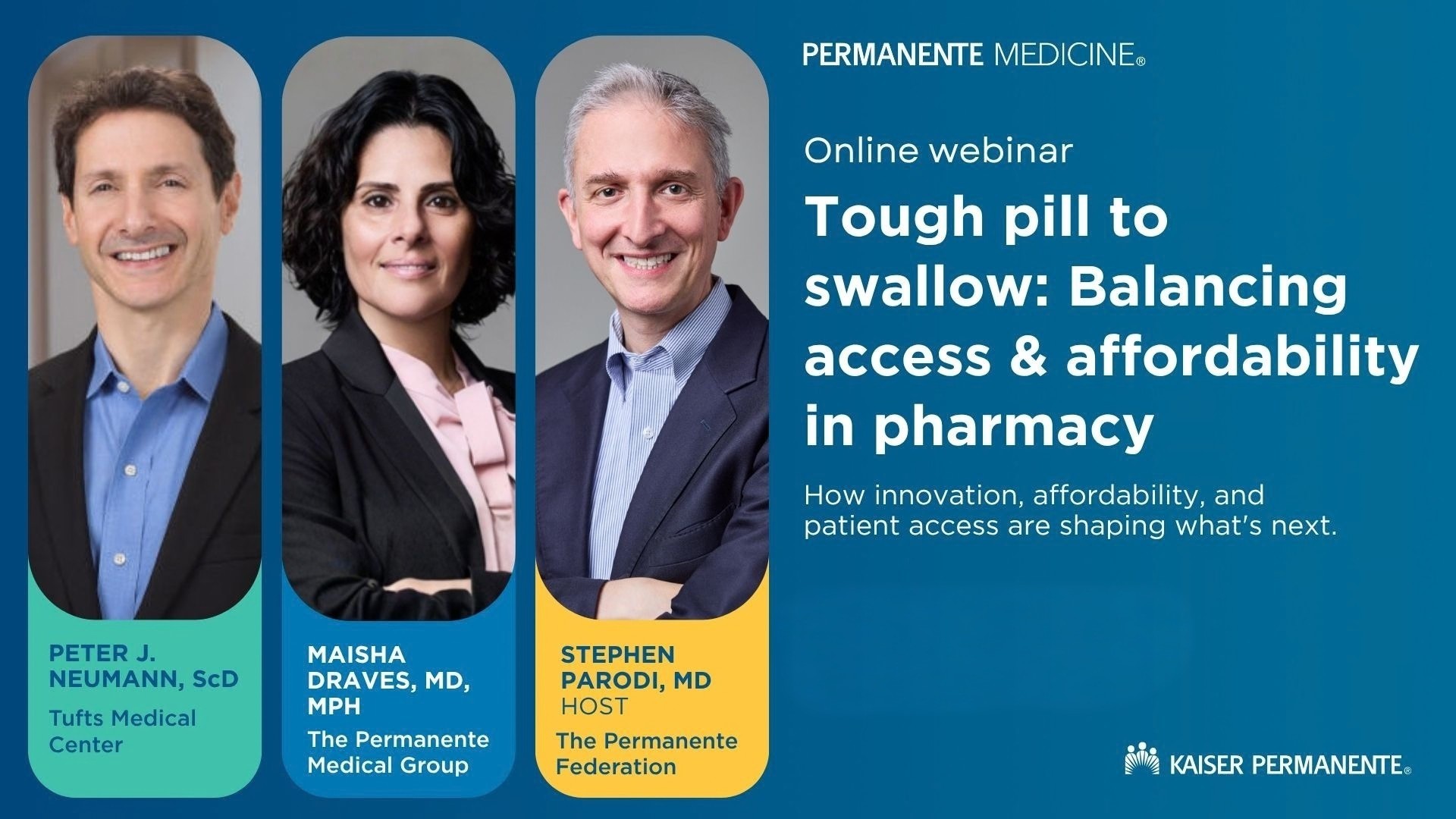
The power to rapidly change and innovate has become a must-have for health care leaders working in the new normal of uncertainty. Tackling challenges like reductions from government payers and a tight workforce market requires a special leadership mindset, said Stephen Parodi, MD, executive vice president, The Permanente Federation, on a recent Becker’s Healthcare Podcast episode.
“Leading with authenticity, being willing to listen, being willing to pivot, being willing to admit when you’re wrong — all of those things are essential in this day and age,” said Dr. Parodi.
How health care innovation can enhance the workforce
As an aging workforce retires and physicians step away from patient care earlier in their careers, the U.S. faces an estimated shortage of between 20,000 and 40,000 primary care doctors by 2036. This is a space where all types of innovations — not just AI-driven tools — can step in to help with the issue, added Dr. Parodi.
Talking about efforts to integrate technology to enhance the workforce and improve care delivery, Dr. Parodi highlighted how health care innovations like telehealth platforms can augment the skills of care teams — no matter where they are located. This includes Permanente physician leaders exploring how to use the skills and availabilities of a medical workforce on different schedules across time zones.
“That means you have to have the technological platforms in place, but then you have to think about licensing, credentialing, and how do you make that more seamless and easier so that a clinician can be licensed in multiple states, for example,” said Dr. Parodi.
Related telehealth story: “Improving cancer care through expert virtual reviews”
How disruptive innovations can bring value and transform health care
Responding to uncertainty also means finding the right tools to improve care and being willing to embrace positive disruption, Dr. Parodi said. One example is the Advanced Alert Monitor system used at Kaiser Permanente in Northern California, a region served by The Permanente Medical Group. The early-warning program identifies patients at high risk of adverse events, prompting changes such as adding advanced practice nurses and palliative care specialists to care teams to improve outcomes.
“You have to integrate new team members and new workflows and new scripting and new conversations,” said Dr. Parodi. “All of that results in the ultimate outcome, which is that we’re able to save 500 lives a year in Northern California alone.”
Listen to the full Becker’s Healthcare Podcast episode with Dr. Parodi here.
The post Why health care innovation is essential during uncertain times appeared first on Permanente Medicine.
Apa Reaksi Anda?
 Suka
0
Suka
0
 Kurang Suka
0
Kurang Suka
0
 Setuju
0
Setuju
0
 Tidak Setuju
0
Tidak Setuju
0
 Bagus
0
Bagus
0
 Berguna
0
Berguna
0
 Hebat
0
Hebat
0