







































Lavender in crisis: Provence farmers turn to laying hens to survive
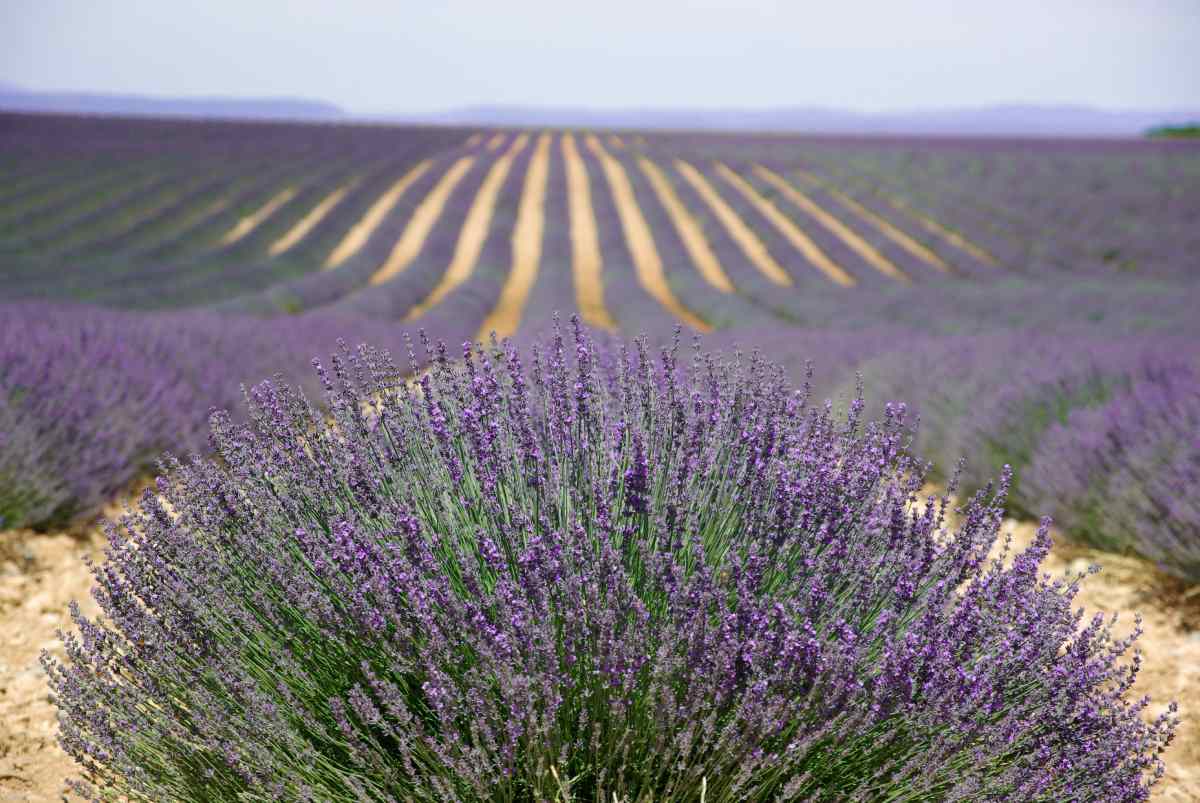
Around the plateau de Valensole — one of the most symbolic landscapes of southern France — some producers are diversifying into more stable activities, including laying hen farms, to keep their businesses running.
From purple fields to chicken coops
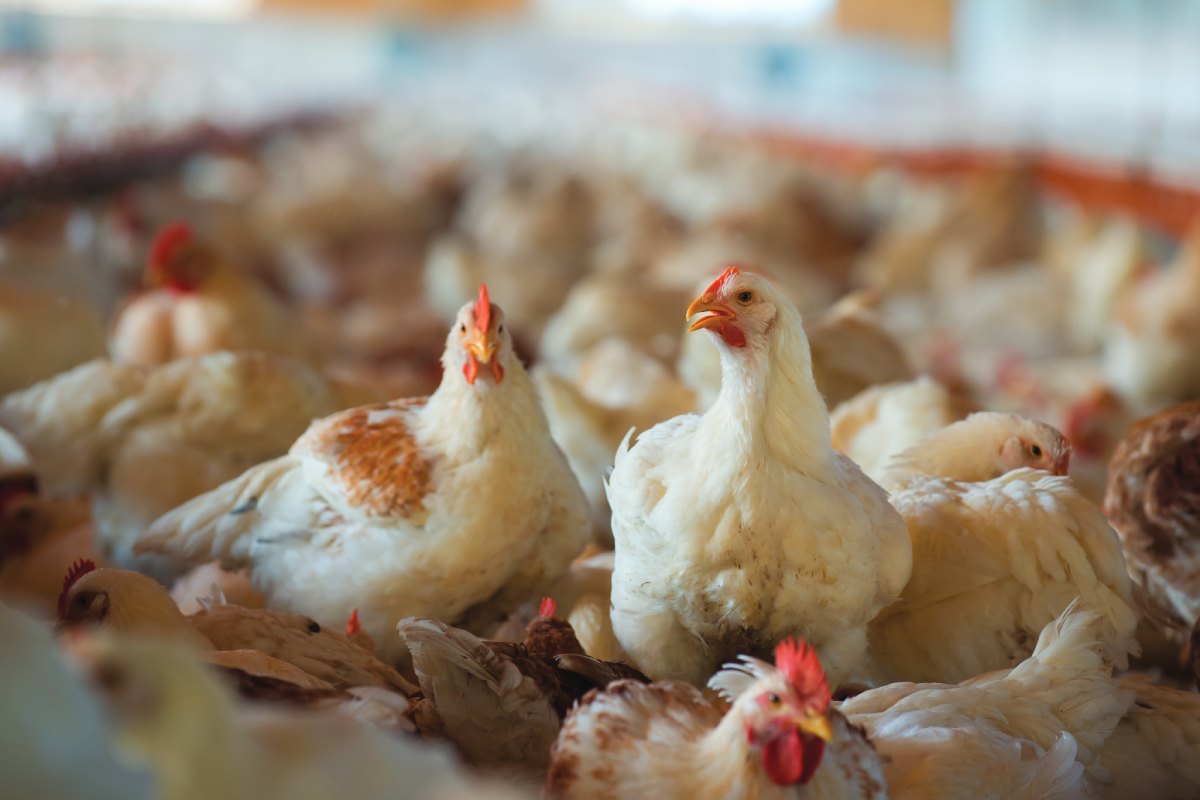
According to Euronews, two new chicken coops raising 25,000 laying hens each are set to be built in the lavender fields of the plateau de Valensole. In Roumoules, another farmer has received permission to construct a large coop spanning several hectares.
The decision has sparked local debate: some residents worry about industrialization of the landscape, while others welcome the project as a way to keep local farming alive and provide locally produced eggs.
Farmers explain that lavender remains part of their identity, but it is no longer enough to sustain their livelihoods.
Why the egg sector?
The shift toward laying hens is not limited to Provence — it reflects a broader national trend in France. The French egg sector launched a plan in 2024 to build 300 new henhouses by 2030, investing at least €300 million, to meet rapidly growing domestic demand.
The sector also aims to reach 90% cage-free egg production by 2030, showing that the push for more output is paired with a transformation in farming models.
In 2025, per capita egg consumption in France reached 237 eggs, pushing the industry to expand production and avoid increased reliance on imports.
A market under pressure
Reuters and sector sources report that France has increased its egg imports and that national self-sufficiency has fallen below safe levels, prompting the industry to call for new facilities and greater production capacity.
In this context, laying hen farms in Provence are becoming a survival strategy for traditional agricultural businesses, offering more predictable income than lavender.
Local impact and debate
These new projects directly affect land use, landscape, and social acceptance in rural areas. Supporters argue that well-placed coops have limited visual impact and can bring economic benefits to local communities, including through direct egg sales.
Critics, however, fear a gradual loss of Provence’s traditional image, replaced by larger and more visible livestock facilities.
This tension reflects a growing challenge across European farming regions: preserve the symbolic value of the landscape or adapt to more economically secure production models.
Apa Reaksi Anda?
 Suka
0
Suka
0
 Kurang Suka
0
Kurang Suka
0
 Setuju
0
Setuju
0
 Tidak Setuju
0
Tidak Setuju
0
 Bagus
0
Bagus
0
 Berguna
0
Berguna
0
 Hebat
0
Hebat
0