


































New Zealand confirms first H5N1 case in migratory seabird
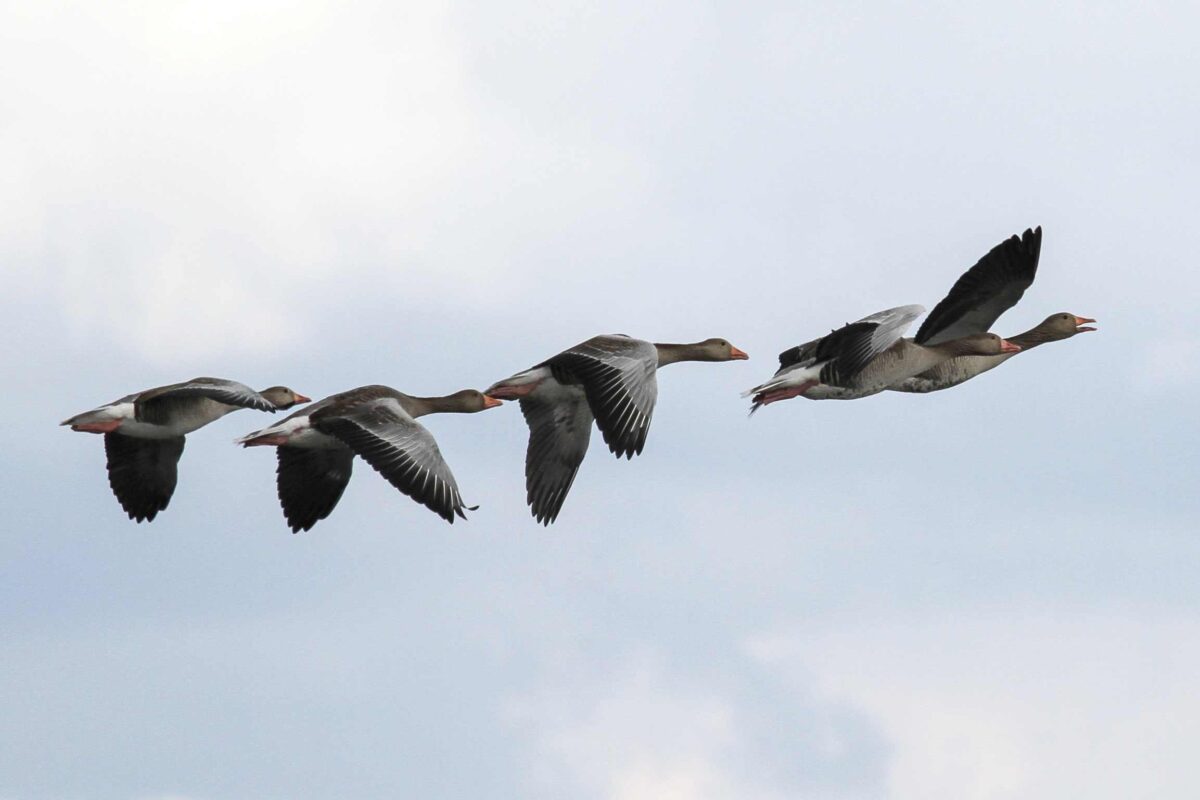
Key facts of the New Zealand caseNew Zealand’s Ministry for Primary Industries (MPI) reported that a single ocean-going brown skua, collected on Petone beach near Wellington, tested positive for H5 bird flu, identified as the “concerning” H5N1 strain circulating globally since 2021. Biosecurity Minister Andrew Hoggard stated there is currently no evidence of mass mortality in wild birds, no signs of sustained transmission between wild birds in New Zealand, and no detections in domestic poultry flocks.Authorities have stressed that this is an isolated detection in a wild seabird and that New Zealand’s commercial poultry sector remains free of H5N1 infection at this time. The case follows earlier detections of H5N1 in migratory seabirds in Australia and underscores the risk posed by long-distance migratory species moving between sub-Antarctic, Australian, and New Zealand waters.
Biosecurity measures and vaccination of endangered birds
MPI and the Department of Conservation (DOC) have activated enhanced surveillance and response arrangements, asking the public to report clusters of three or more sick or dead birds or marine mammals through the national exotic pest and disease hotline. Prior to this first confirmed case, DOC had already announced a precautionary vaccination programme against H5N1 for some of New Zealand’s most threatened birds, triggered by detections of the same virus in migratory seabirds in Australia.
The vaccination campaign focuses on around 300 core breeding birds from several critically endangered species, including iconic endemics such as kākāpō and takahē, to reduce the risk that an H5N1 incursion could wipe out small, vulnerable populations. Authorities emphasise that vaccination is being used as a targeted conservation tool for selected captive or intensively managed populations, not as a broad measure for wild birds or commercial flocks.
Since 2020, a variant of H5N1 belonging to clade 2.3.4.4b has caused unprecedented mortality in wild birds and repeated outbreaks in poultry across Africa, Asia, Europe, and the Americas, with spread to all seven continents following the first detections in Australia in 2026. The World Health Organization notes that human infections with H5N1 remain rare and are typically linked to close contact with infected birds or contaminated environments; the virus does not currently exhibit sustained human-to-human transmission, although sporadic zoonotic cases continue to be reported.
According to WHO, sporadic human infections with H5N1 continue to be reported, mainly following close contact with infected birds or contaminated environments. Sustained human-to-human transmission has not been observed. New Zealand officials have echoed this stance, saying the country’s geographic isolation bought time to prepare but that the arrival of H5N1 in a migratory seabird confirms it was “a matter of time”, and reinforcing that interagency plans across biosecurity, conservation and health sectors are in place.
Apa Reaksi Anda?
 Suka
0
Suka
0
 Kurang Suka
0
Kurang Suka
0
 Setuju
0
Setuju
0
 Tidak Setuju
0
Tidak Setuju
0
 Bagus
0
Bagus
0
 Berguna
0
Berguna
0
 Hebat
0
Hebat
0