



























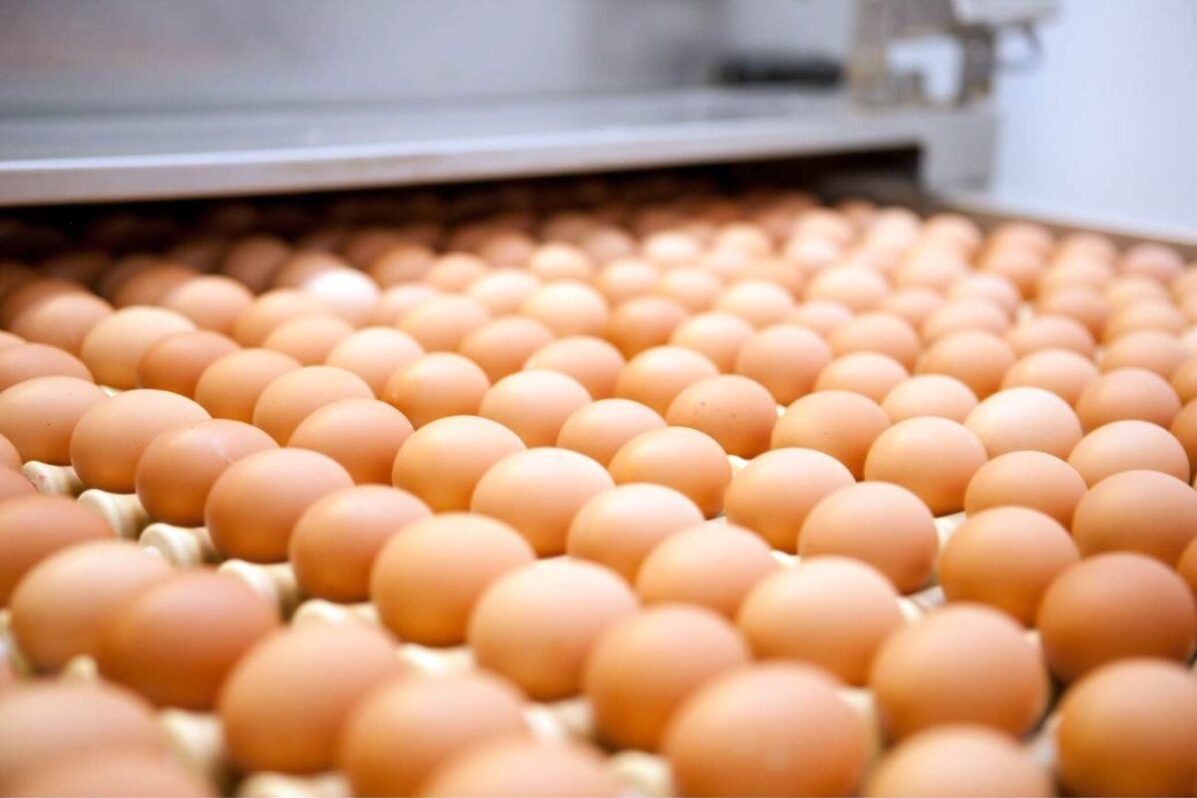
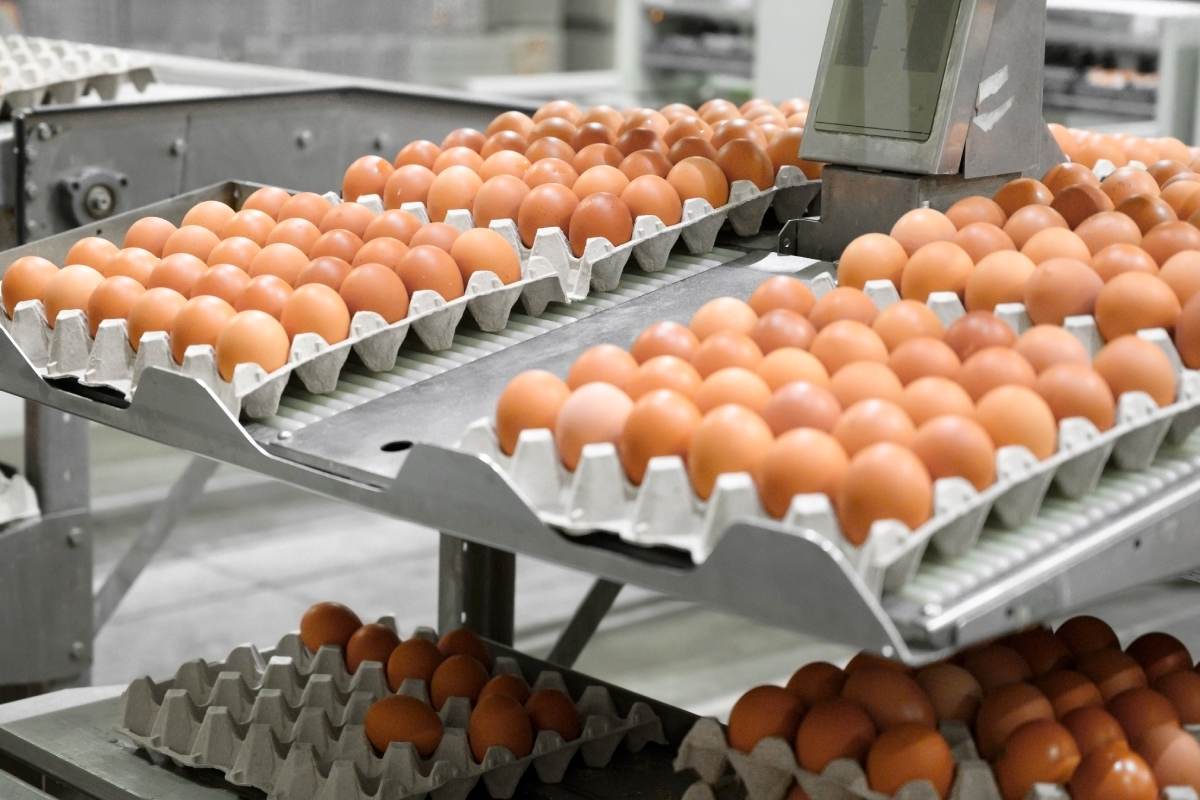





Poultry revitalisation in Ghana: progress and implementation issues
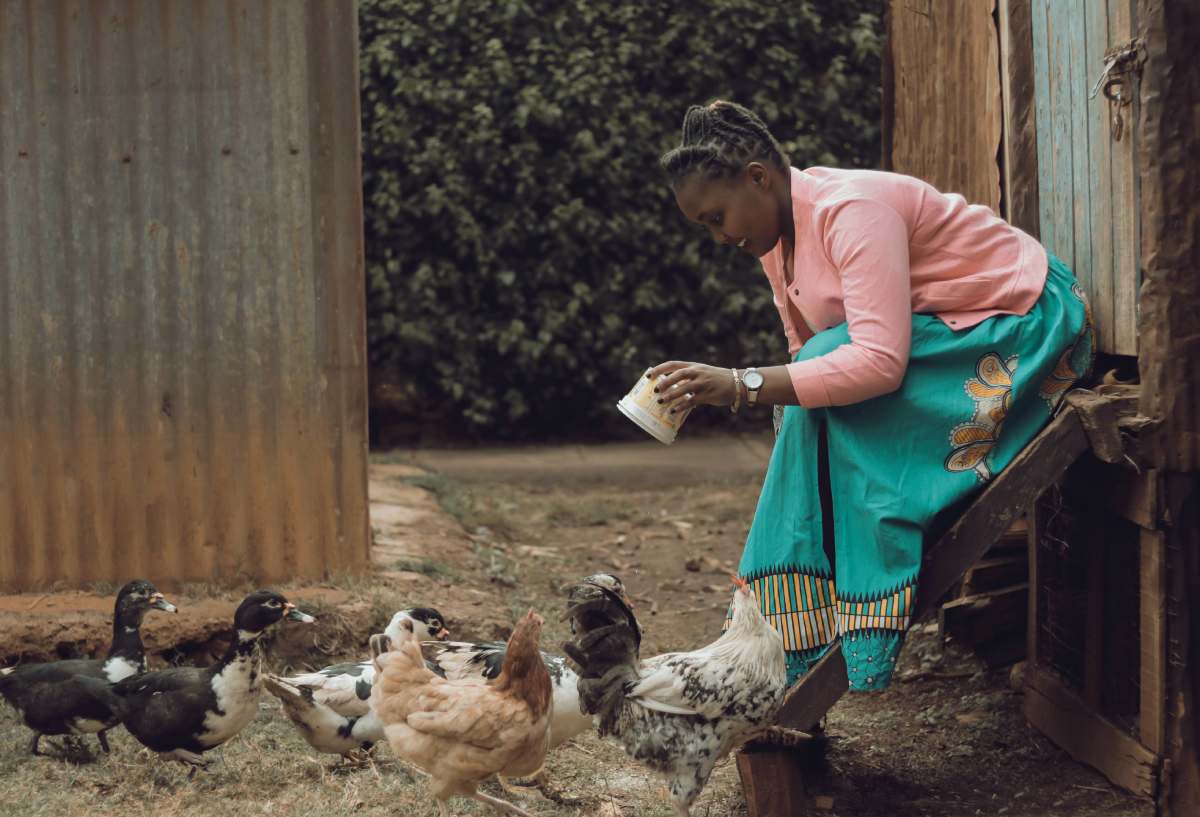
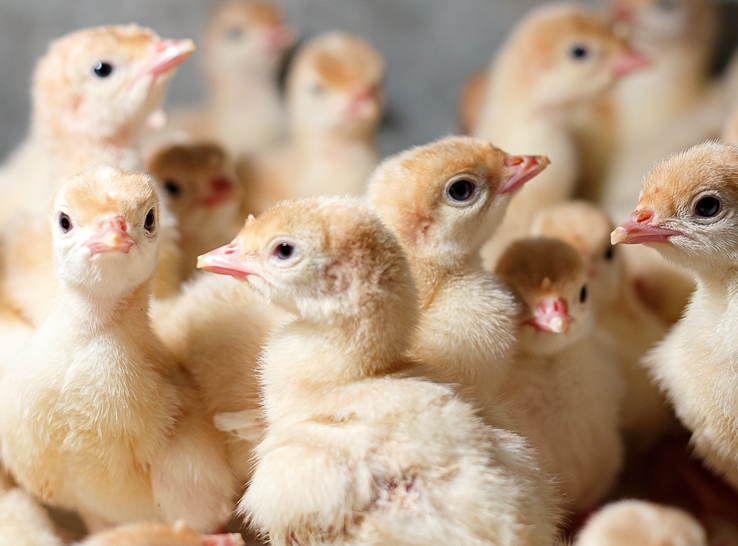
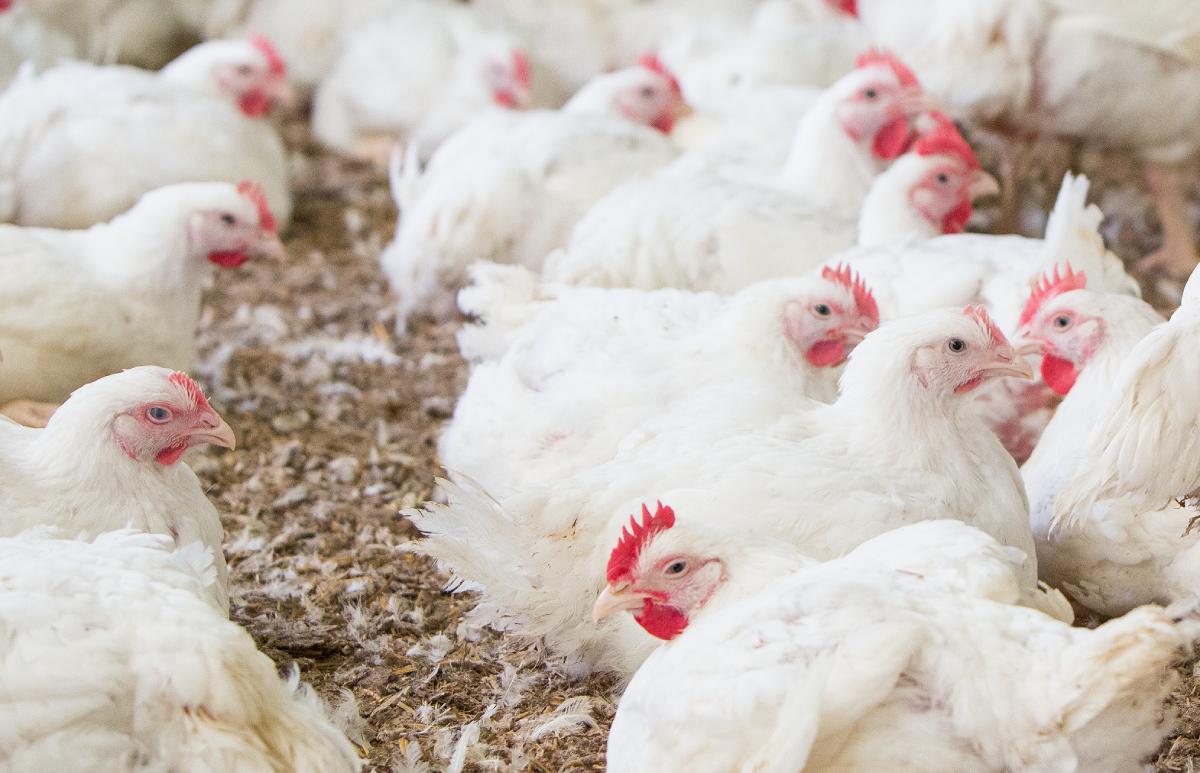
Ghana’s “Nkoko Nkitinkiti” poultry revitalisation programme is a flagship intervention under the Feed Ghana agenda, designed to boost domestic poultry production and gradually reduce the country’s reliance on imported frozen chicken. Government communications describe the initiative as a livelihoods and food‑security measure: birds, starter feed and basic technical support are distributed to households and small farmers, with the aim of increasing egg and meat output, creating income opportunities and strengthening the local value chain.
Officials, including the Minister for Food and Agriculture Eric Opoku, have presented the first, household‑focused phase as broadly successful. In their narrative, strong uptake by beneficiaries and higher domestic supply have contributed to lower poultry prices in some markets and have laid the foundation for a second phase centred on larger commercial operations, which should further support job creation and import substitution. Projections linked to the programme suggest that, if fully implemented, it could cut the poultry import bill and generate savings in foreign exchange over time.
Industry stakeholders, however, offer a more cautious reading of early results. The Poultry Farmers Association of Ghana acknowledges the programme’s potential but warns that lower prices may also reflect weak demand and marketing challenges, rather than clear improvements in productivity or structural growth. The Association reports that in some communities birds distributed to households have been consumed rather than reared and reinvested, which they interpret as a sign that not all beneficiaries were adequately selected or prepared for poultry production. In this perspective, assumptions that every household is willing and able to keep poultry risk diluting the programme’s impact if they are not matched by training, follow‑up and realistic assessments of capacity.
Critical voices also focus on implementation gaps across different regions. Ranking Member on Parliament’s Food, Agriculture and Cocoa Affairs Committee, Dr. Isaac Yaw Opoku, has pointed to constituencies where the programme appears to be barely visible or not yet operational, and to cases in which beneficiaries received very few birds. He argues that before expanding Nkoko Nkitinkiti, government should undertake a structured review of the first phase, comparing planned targets and actual distributions, examining local variations and clarifying to what extent the initiative is influencing production volumes and trade flows in practice.
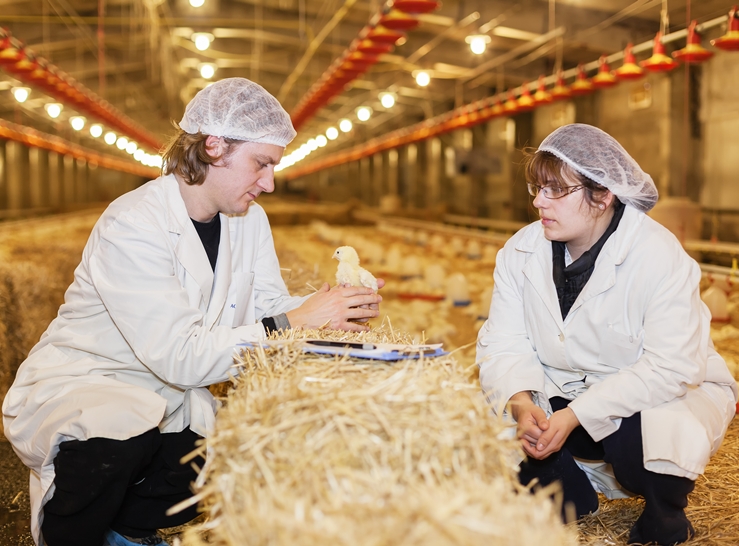
These differing perspectives converge on one key point: the strategic rationale for strengthening domestic poultry is widely shared, but the effectiveness of Nkoko Nkitinkiti will depend on how well design and implementation are aligned with field realities. A more targeted selection of beneficiaries, stronger technical training and public communication, and closer integration between household producers, commercial farms, processors and markets appear central to translating the programme’s ambitions into measurable and sustainable outcomes for Ghana’s poultry sector.
Apa Reaksi Anda?
 Suka
0
Suka
0
 Kurang Suka
0
Kurang Suka
0
 Setuju
0
Setuju
0
 Tidak Setuju
0
Tidak Setuju
0
 Bagus
0
Bagus
0
 Berguna
0
Berguna
0
 Hebat
0
Hebat
0