




























Poultry Technology Trends 2026: From Biosecurity to Automation at EuroTier trade fair
The global poultry sector continues to show strong momentum, driven by rising demand, ongoing investment and solid economic performance in many markets worldwide. As producers expand and modernise their operations, they are also navigating important challenges, including disease risks, fluctuating feed and energy costs, and evolving welfare expectations.
EuroTier 2026, the world’s leading trade fair for livestock professionals, will showcase practical solutions that support the sector’s next stage of growth while helping producers address these challenges. Key trends include biosecurity, feeding efficiency, automation and improved housing systems, offering valuable insights for modern poultry operations around the world.
A global platform for poultry innovation
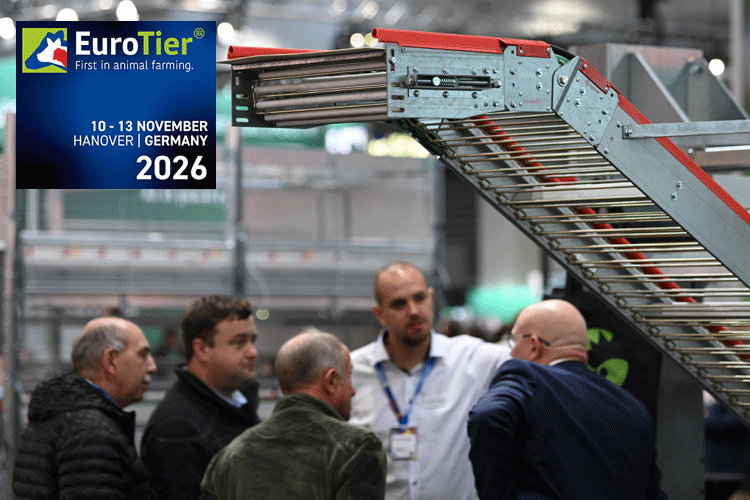
As poultry production continues to grow worldwide, the sector is benefiting from strong consumer demand, ongoing innovation and increasing efficiency across international markets. Against this dynamic backdrop, EuroTier 2026, taking place from 10 to 13 November in Hanover, Germany, provides a global platform where poultry technologies and production concepts from different regions can be compared and evaluated under practical conditions.
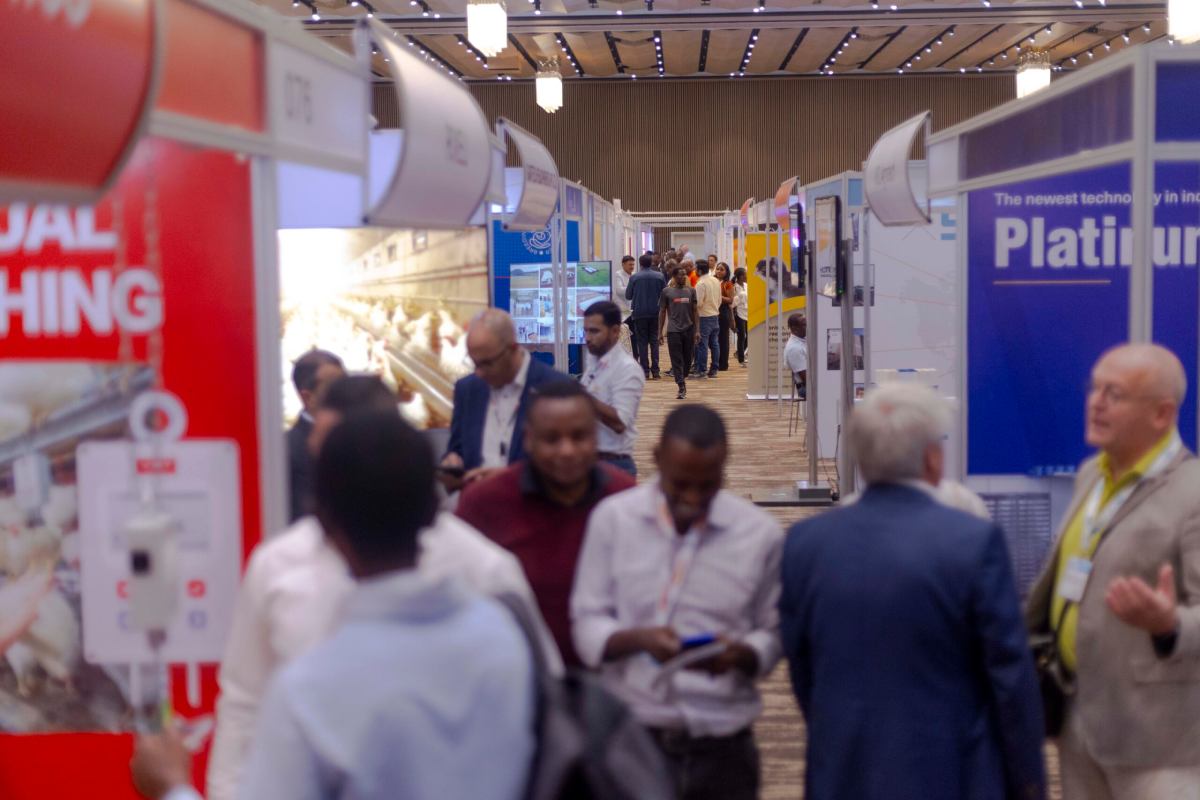
With more than 2,100 exhibitors across 13 halls, the indoor air-conditioned exhibition brings together the entire livestock value chain, including pig and cattle, and offers a comprehensive overview of current developments. Poultry is a central part of this, with a wide range of innovations in housing, feeding, automation and health management expected to be presented.
EuroTier also continues to attract strong international participation, including visitor groups from Asia such as Indonesia and Malaysia, underlining the growing importance of global exchange in livestock production.
Industry drivers shaping technology trends
Across global poultry production systems, several important factors are accelerating technological development. These include the need to further improve animal health and welfare, reduce antibiotic use and emissions, and manage feed and energy costs more efficiently. Feed efficiency remains especially important, as feed accounts for a major share of production costs, making feed optimisation a central priority for producers worldwide.
At the same time, disease risks such as avian influenza continue to influence production strategies in many regions. As a result, biosecurity, feeding efficiency and production management are becoming increasingly interconnected areas of innovation. These developments will also be highlighted at the upcoming International Poultry Conference on 9 November in Hanover, where experts will discuss major trends, innovation drivers and current challenges in the global poultry sector.
Animal health and biosecurity at the centre
Improving animal health remains one of the most important drivers of innovation in poultry production. Advances in vaccination, in particular, are helping to improve both disease control and animal handling. New systems allow vaccines to be applied more precisely and efficiently, contributing to better health outcomes and supporting longer production cycles. This is becoming increasingly relevant, for example, as laying hens are kept for extended periods in order to improve overall efficiency.
One exampl e of this trend is the Vaccybot from Agri Advanced Technologies, a fully automated poultry vaccination system that combines advanced camera technology with robotic precision to administer multiple vaccines accurately. This can help improve vaccination quality while reducing stress for the animals and labour requirements on the farm.
Another important technology trend is the growing use of digital flock monitoring for the early detection of health issues and behavioural abnormalities. Combining sensor technology, data analytics and computer vision, these systems can continuously track parameters such as activity levels, feed and water intake, movement patterns and barn conditions. This helps identify deviations from normal flock behaviour at an early stage, enabling faster responses and supporting animal health, biosecurity and overall production management.
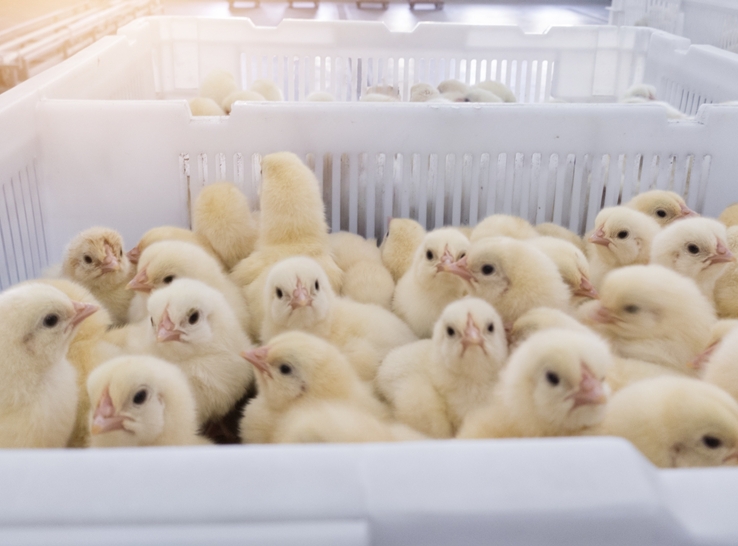
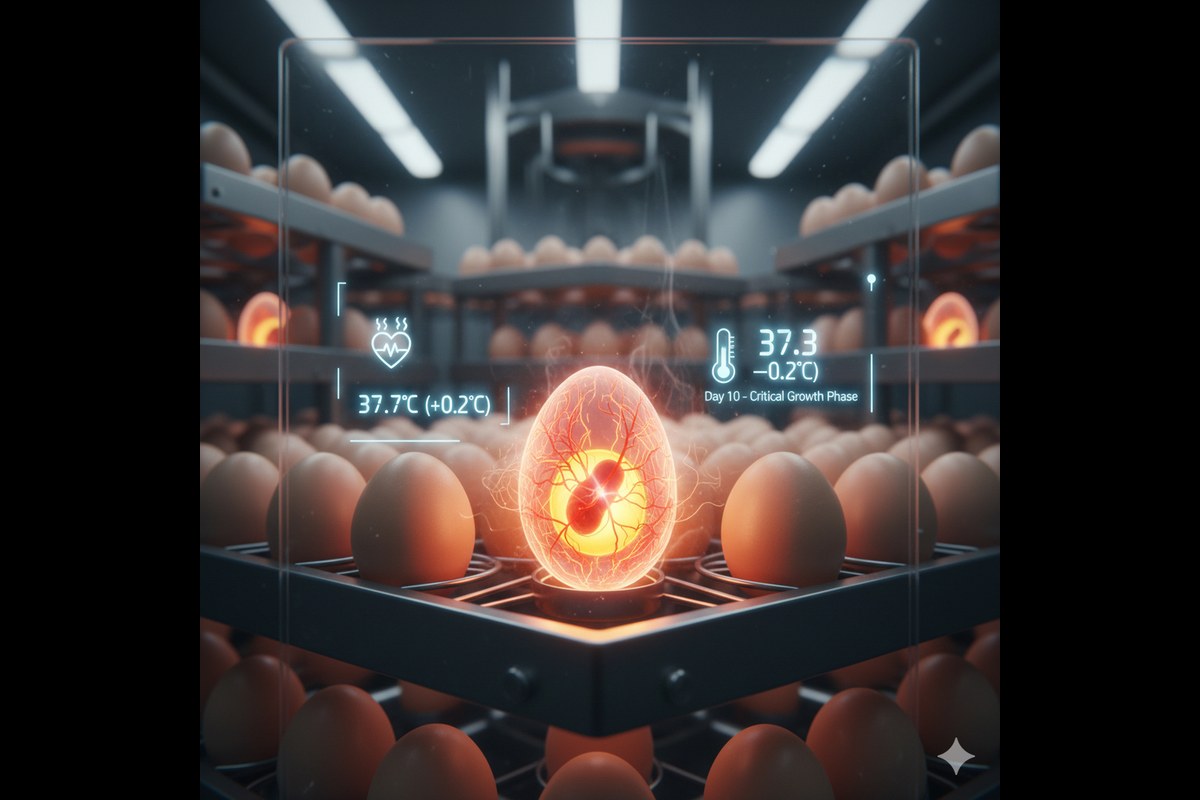
Hygiene also plays a central role, particularly in hatcheries. Innovations in egg disinfection, including advanced sterilisation technologies, are helping to improve chick health while reducing the need for chemical disinfectants.
Automation, labour and feeding innovation
Automation is becoming a core component of modern poultry production, helping to improve consistency, reduce labour requirements and increase overall efficiency. In housing systems, automated solutions are supporting daily management tasks such as cleaning, monitoring and environmental control, while advanced robotic systems can help maintain hygiene standards even in complex aviary structures.
At the same time, feeding systems are becoming more precise and increasingly data-driven. Solutions that use real-time data to support more targeted feeding strategies are gaining attention, helping producers to align feed delivery more closely with animal needs, flock performance and changing production conditions. New concepts also seek to combine efficiency with animal-oriented management, for example through systems that provide protein-rich live larvae and encourage natural behaviour.
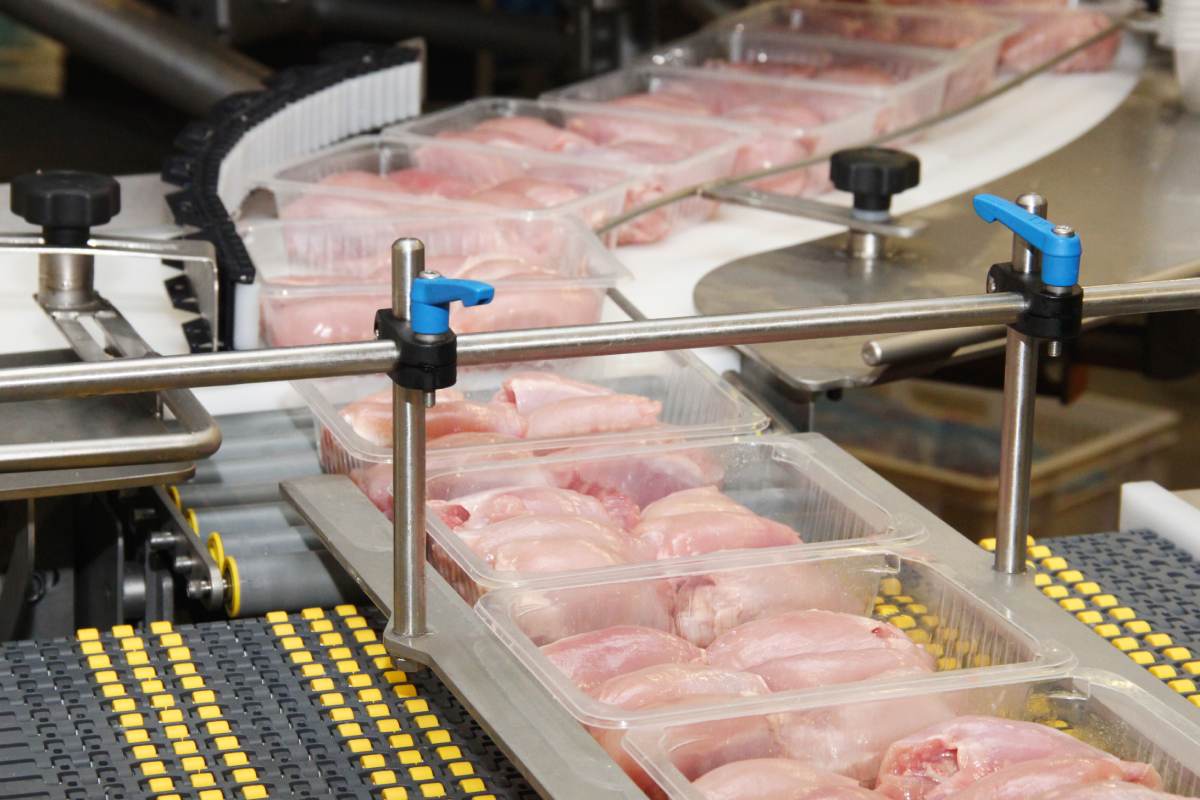
Beyond the barn, automation is also advancing in slaughter and processing, where robotics and digital control systems are helping to improve workflow efficiency, consistency and labour utilisation. Taken together, these developments show how automation is becoming increasingly integrated across the poultry value chain, from on-farm management to downstream processing.
Evolving housing systems and animal welfare
Animal welfare continues to shape the development of poultry housing systems. One important trend is the move towards longer production cycles, supported by improved health management and breeding strategies. There is also growing interest in systems that allow birds to be kept with intact beaks while maintaining high welfare standards.
At the same time, innovative housing systems are being developed to reduce stress and improve overall system efficiency. Integrated concepts, in which birds remain in a single system from hatching throughout the production period, are gaining attention. These systems reduce the need for transport and adaptation, helping to lower stress levels and support better animal welfare. In addition, smaller design improvements, such as ergonomically optimised perches, show how even incremental innovations can contribute to both animal welfare and production performance.
A broader structural trend, particularly relevant in international markets, is the gradual shift from cage-based systems to free-range and alternative housing systems, reflecting evolving regulatory frameworks and changing market expectations.
Sustainability and efficiency
Sustainability is becoming an increasingly important factor in poultry production, bringing together economic and environmental considerations. Producers are working to reduce emissions, optimise resource use and manage energy consumption more efficiently. Feed efficiency plays a major role in this context. Improving feed conversion, along with the exploration of alternative feed components, are among the key strategies for reducing both costs and environmental impact.
As feed resources become more constrained globally, technologies that improve feed utilisation are gaining further importance. At the same time, many innovations are aimed at improving overall system efficiency, integrating production processes and reducing reliance on external inputs such as antibiotics or chemical treatments.
Water management and climate resilience are also moving further up the agenda in poultry production. In many regions, producers are increasingly focusing on technologies and management strategies that help improve water efficiency, safeguard water quality and strengthen resilience to more frequent heat periods. In particular, heat stress is becoming a growing concern, as it can affect animal welfare, feed intake, productivity and overall flock performance. As a result, ventilation, cooling, sensor-based climate control and adapted housing concepts are gaining importance as part of integrated approaches to more resilient and resource-efficient poultry production.
From trend to practical application
A defining feature of EuroTier is its focus on practical, farm-ready solutions. The technologies presented are not theoretical concepts, but advanced innovations that are already available on the market or are expected to be launched shortly.
For poultry professionals, this provides an opportunity to assess how new technologies can be integrated into their own operations. The exhibition enables direct comparison of different approaches, helping decision-makers identify solutions best suited to their specific production conditions.
For international visitors, EuroTier offers clear added value as a platform where technologies from different regions can be evaluated in a practical context.
Outlook
The future development of poultry production will continue to be shaped by resilience, biosecurity, efficiency and sustainability. At the same time, the sector’s growth momentum is expected to remain strong, supported by rising global demand and continued innovation. The trends observed in recent years, particularly in animal health, feeding systems, automation and housing, are therefore likely to remain central to the sector’s development.
EuroTier 2026 will provide a comprehensive overview of these developments and offer insights into how the poultry industry can turn growth opportunities into practical progress.
Readers of Poultry TRENDS are warmly invited to visit EuroTier 2026. For further information on visiting the exhibition or joining international visitor programmes, please contact Angelina Laas (DLG) at a.laas@dlg.org or visit www.eurotier.com.
The post Poultry Technology Trends 2026: From Biosecurity to Automation at EuroTier trade fair appeared first on Poultry TRENDS.
Apa Reaksi Anda?
 Suka
0
Suka
0
 Kurang Suka
0
Kurang Suka
0
 Setuju
0
Setuju
0
 Tidak Setuju
0
Tidak Setuju
0
 Bagus
0
Bagus
0
 Berguna
0
Berguna
0
 Hebat
0
Hebat
0