
















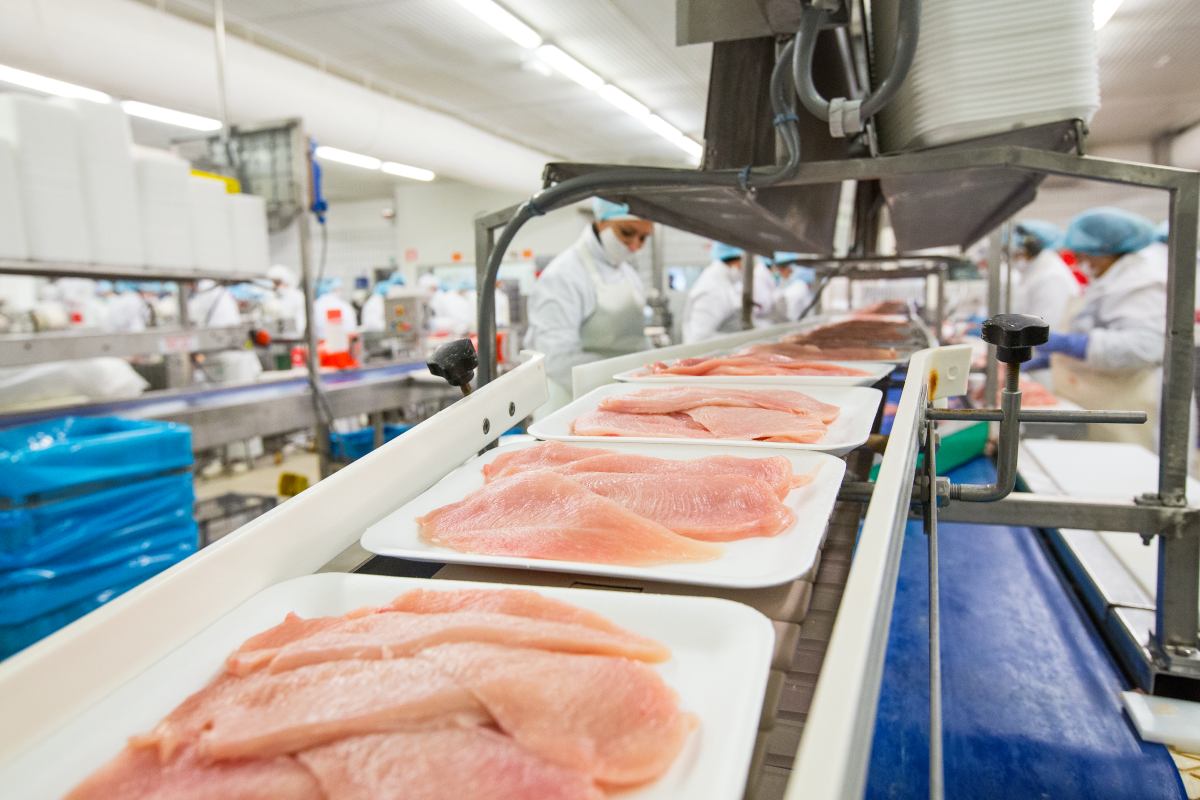

















Brazilian poultry exporters reject South African dumping claims, stressing a complementary role

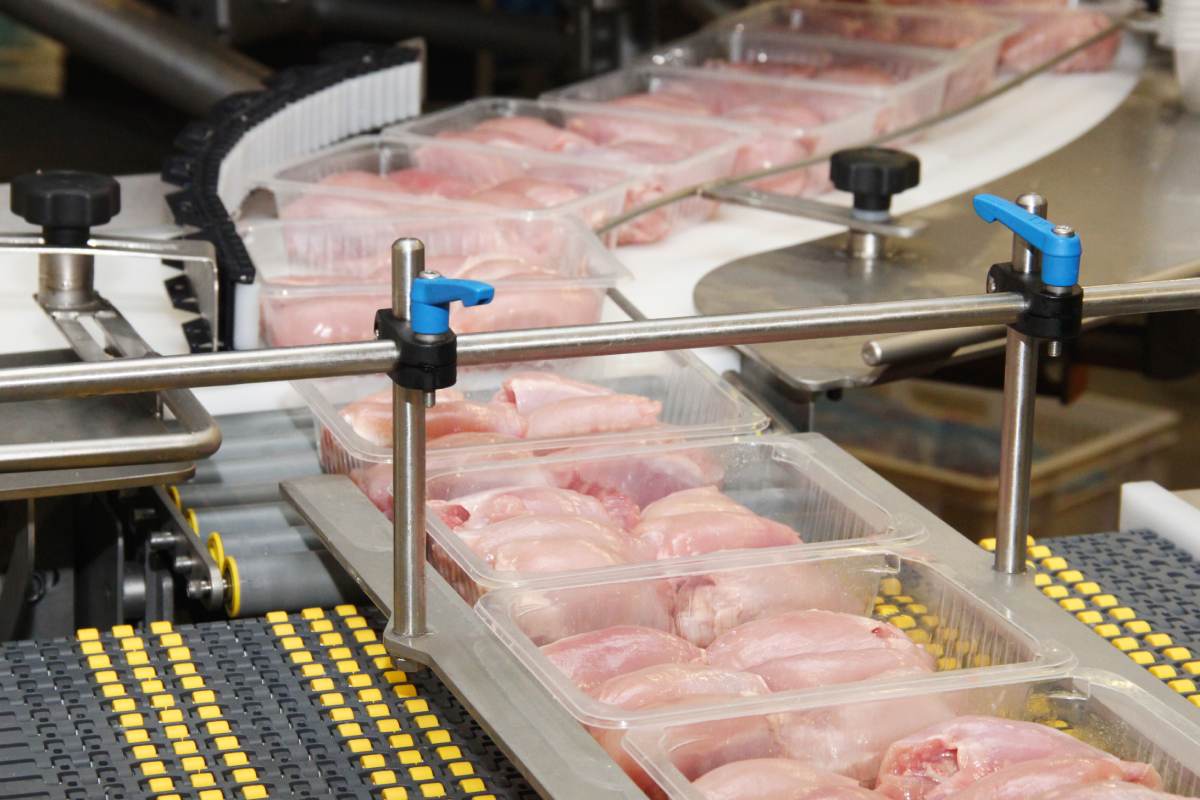
Brazilian poultry exporters are rejecting claims that their shipments to South Africa amount to dumping, arguing that imports play a complementary role in the local market, particularly when domestic production is affected by disease outbreaks or shortages of specific poultry products.
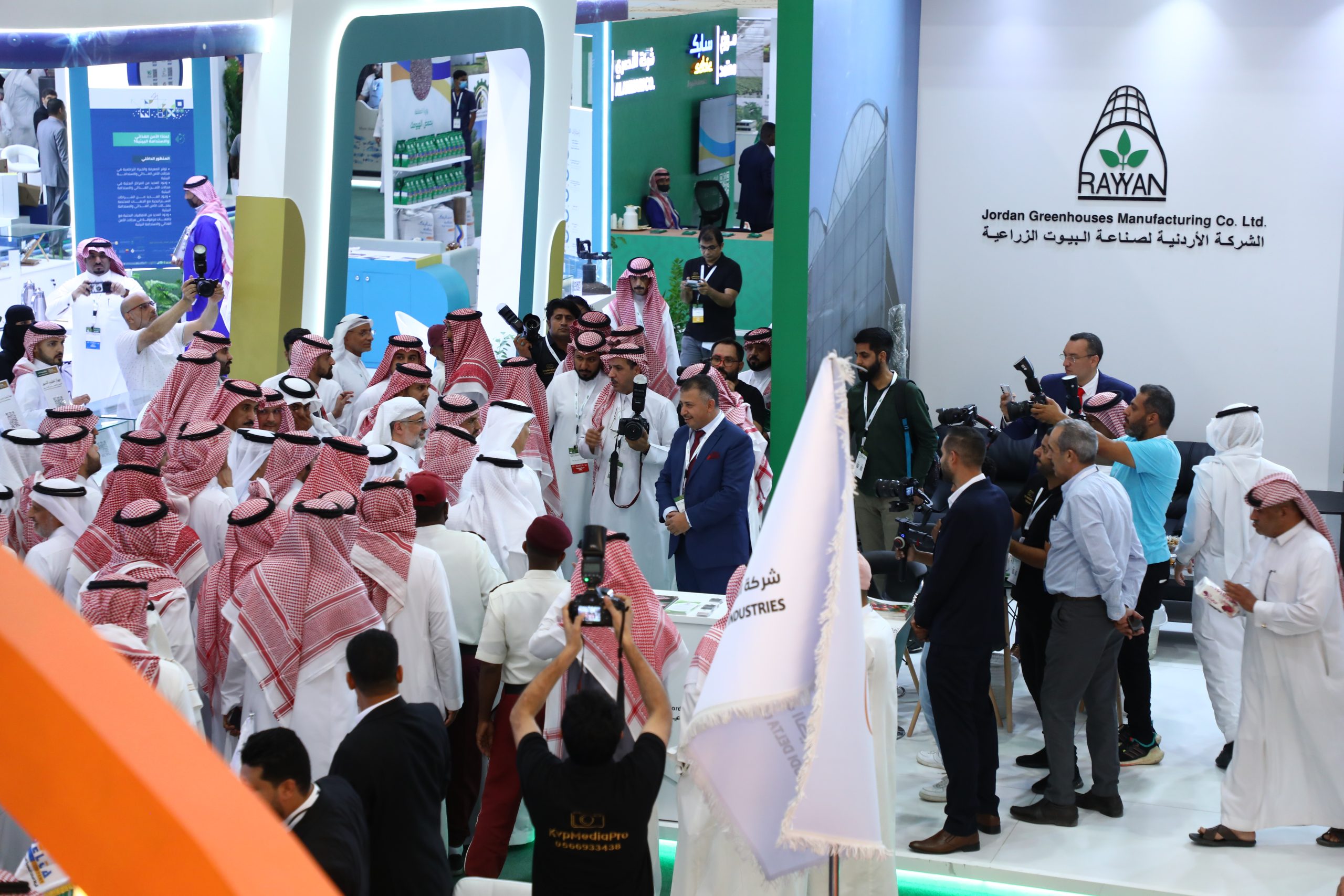
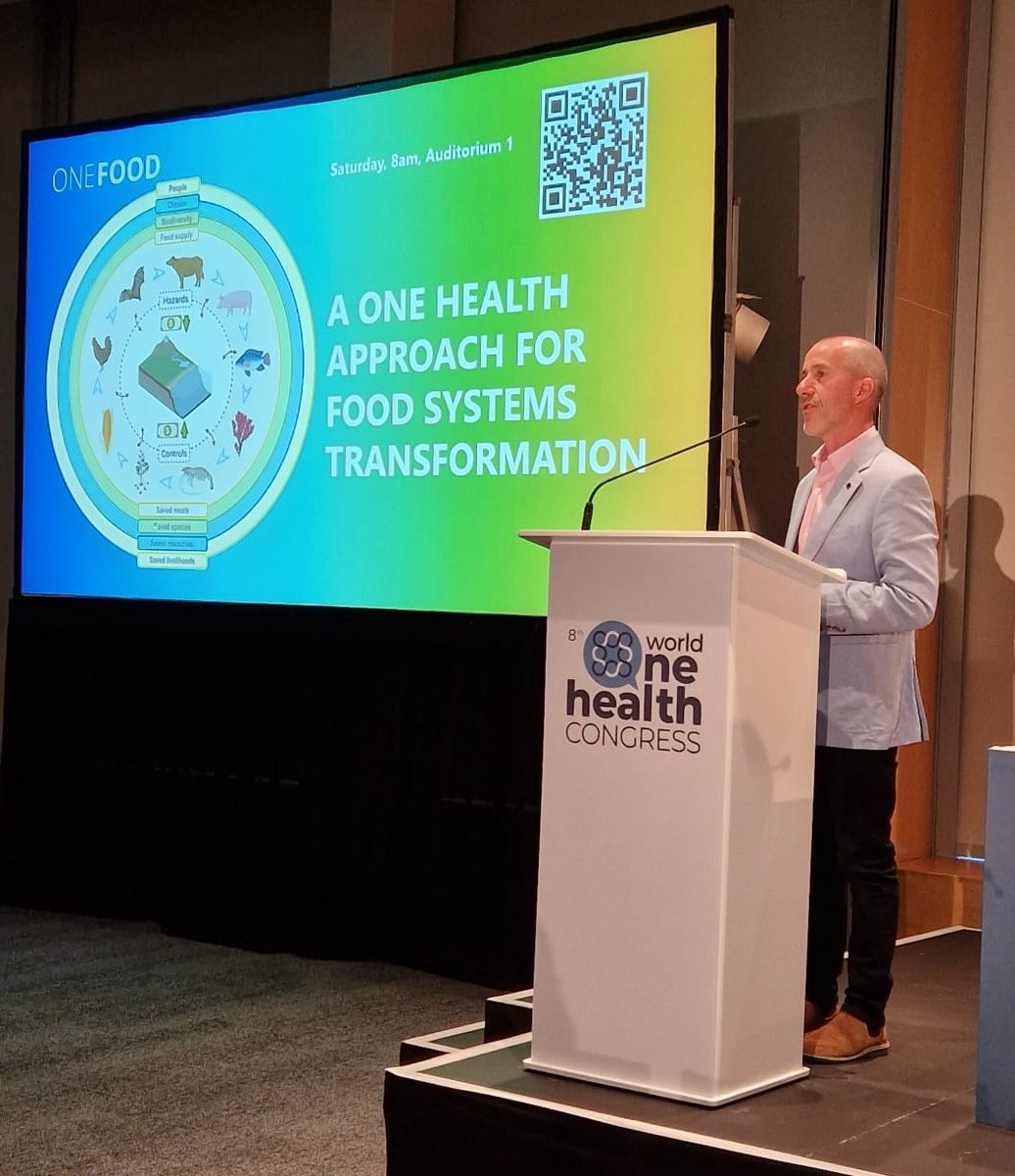
The issue was discussed during the International Animal Protein Trade Show (SIAVS) in São Paulo, where Ricardo Santin, president of the Brazilian Association of Animal Protein (ABPA), said Brazilian poultry helps meet South Africa’s animal protein needs and supports supply during disruptions such as avian influenza.
Brazil’s position: complementing South African supply
Santin argued that Brazilian poultry exports should not be viewed simply as competition for South African producers. According to ABPA, Brazil supplies products that fill specific gaps in the South African market, including mechanically deboned meat (MDM).
MDM is widely used as an ingredient in processed meat products. Brazilian representatives argue that South Africa has limited domestic capacity to produce this ingredient and therefore relies heavily on imports for some processed-food applications.
Santin said South Africa was Brazil’s fourth-largest destination for chicken meat exports in 2025, with 336,022 tonnes, equivalent to 6.5% of Brazil’s total chicken exports, according to figures presented by ABPA at SIAVS. The United Arab Emirates, Japan and Saudi Arabia ranked ahead of South Africa.
ABPA said it has 140 member companies, whose combined operations account for approximately 15% of Brazil’s poultry exports and 98% of its pork exports. These figures are ABPA’s own organisational data.
“Protectionism from industry, not government”
Santin and Estevao Carvalho, ABPA’s executive manager for markets, argued that opposition to Brazilian poultry imports is largely driven by domestic industry concerns about competition.
“There is protectionism, not from the government, but from industry,” Santin said, arguing that Brazilian supplies can help maintain protein availability when South African production is disrupted by events such as avian influenza.
Carvalho also highlighted the importance of MDM in South Africa’s processed-food sector. He said much of the Brazilian poultry entering the country is MDM and argued that South African producers have limited capacity to replace these imports quickly.
Brazilian poultry entering South Africa is also subject to substantial import tariffs. Carvalho cited rates of 42% for deboned poultry, 62% for bone-in chicken and 82% for whole chickens. These are general import tariff rates for the relevant products and should not be confused with the separate anti-dumping duties imposed on certain frozen bone-in chicken portions.
Anti-dumping duties and a long-running trade dispute
The dispute over Brazilian poultry imports has a long history. South African producers have accused Brazilian exporters of dumping poultry products, and the issue has resulted in investigations and trade-remedy measures.
In 2022, the International Trade Administration Commission of South Africa (ITAC) concluded an investigation concerning frozen bone-in chicken portions originating in or imported from Brazil, Denmark, Ireland, Poland and Spain. The investigation resulted in anti-dumping duties being approved on these products.
The South African government subsequently suspended implementation of the duties for 12 months. The decision reflected concerns about food prices and the affordability of chicken for consumers.
The suspension expired in 2023. ITAC subsequently confirmed that the anti-dumping duties on frozen bone-in chicken portions from Brazil and the other countries concerned had been reinstated.
The duties should not, however, be described as a single 265.1% tariff applying to all Brazilian poultry. Different rates were established for different exporters, while the highest residual rate applied to exporters that did not cooperate with the investigation. The anti-dumping measures also concern specific frozen bone-in portions, rather than all Brazilian poultry products.
This distinction is particularly important because MDM and other poultry products are not necessarily covered by the same trade-remedy measures.
Food security and the role of imports
South African meat importers argue that imports play an important role in food security by filling supply gaps that domestic producers cannot immediately cover.
Georg Southey of Merlog Foods said imports have a stabilising role in South Africa’s food system, particularly for products that cannot be rapidly replaced at scale. He also said Brazil supplies a large share of the MDM used in affordable processed products such as viennas and polony.
Southey estimated that imports account for approximately 10% of South Africa’s total meat consumption and said imported poultry products support more than 100 million meals per week. These figures are industry estimates and should therefore be treated as such rather than as official national statistics.
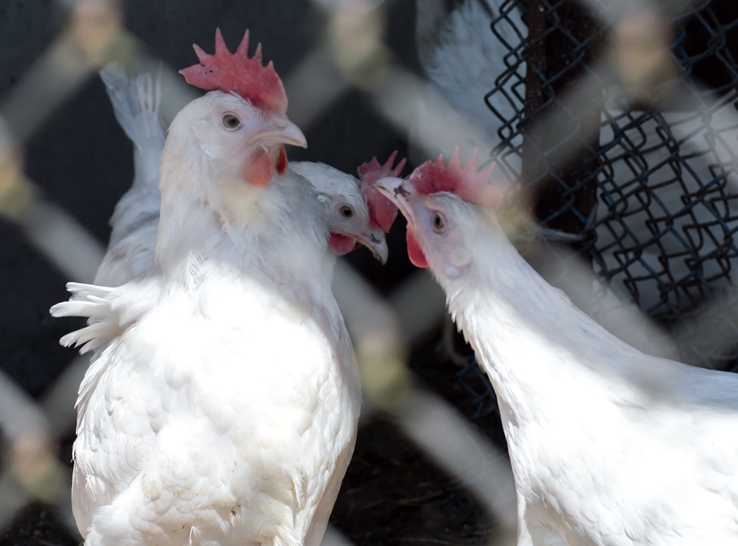
The importance of imports can become more pronounced when domestic production is affected by animal-health problems. South African producers have faced disruptions associated with diseases including avian influenza, while foot-and-mouth disease and African swine fever have also affected other parts of the country’s livestock and meat sectors.
A dispute between food security and industry protection
The latest statements from Brazilian exporters and South African importers present the relationship as one of complementarity: Brazil supplies products that South Africa needs, particularly MDM, and can help maintain availability when domestic production is disrupted.
South African poultry producers, however, have historically argued that imported chicken can place pressure on domestic production, employment and investment. The South African authorities have used anti-dumping investigations and other trade measures to address allegations of unfair competition.
The dispute therefore involves more than the question of whether Brazilian poultry is competitively priced. It reflects a broader tension between protecting domestic poultry production and maintaining affordable food supplies.
The current debate should also be distinguished from the long history of Brazil-South Africa trade disputes at the WTO and in bilateral trade relations. Rather than describing the issue as a single unresolved WTO “chicken dispute”, it is more accurate to view the current controversy as part of a broader and long-running disagreement over poultry imports, tariffs, trade remedies, domestic production and food security.
For Brazil, the message from SIAVS 2026 is clear: Brazilian exporters want South Africa to be viewed as a market in which imports can complement domestic production rather than undermine it. For South African producers, however, the continuing use of trade-remedy measures shows that concerns about the competitive impact of imports remain significant.
Apa Reaksi Anda?
 Suka
0
Suka
0
 Kurang Suka
0
Kurang Suka
0
 Setuju
0
Setuju
0
 Tidak Setuju
0
Tidak Setuju
0
 Bagus
0
Bagus
0
 Berguna
0
Berguna
0
 Hebat
0
Hebat
0