




































Broiler breeder fertility also depends on group dynamics
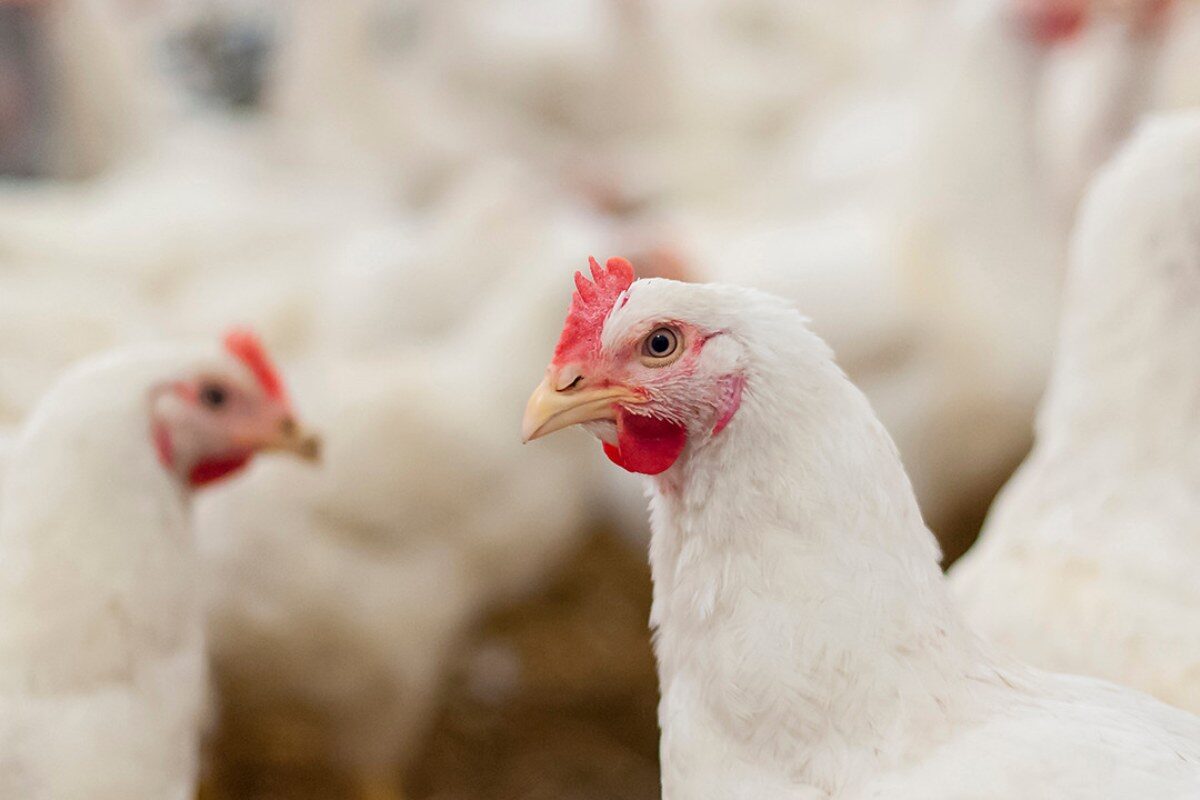
Social interactions may help explain part of the variation in fertility in breeder flocks
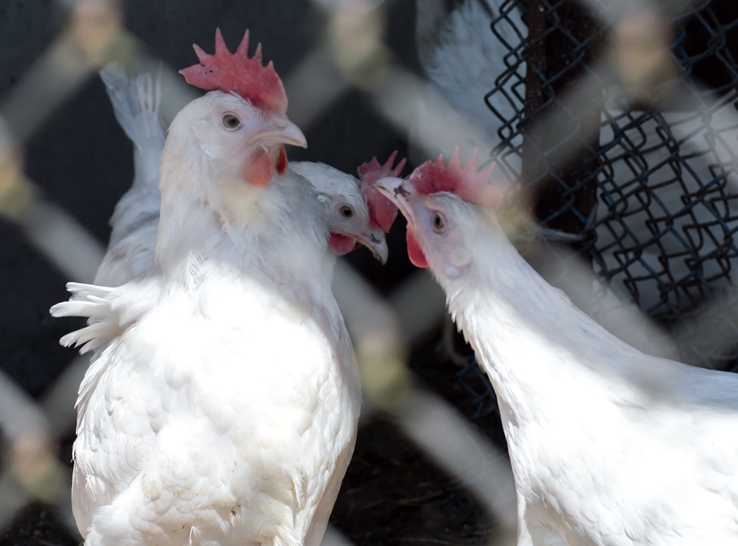
Broiler breeder fertility may be influenced not only by the characteristics of individual males, but also by the dynamics that develop within the group. This is one of the findings to emerge from research conducted by researchers at Auburn University and presented at the 2025 International Poultry Scientific Forum, with support from the U.S. Poultry & Egg Association and the USPOULTRY Foundation.
The study investigated the effects of group size, male spiking, and flock uniformity on reproductive performance in broiler breeders. The experimental design involved a total of 396 females and 64 males, distributed among groups of different sizes and subjected to treatments with or without the introduction of new males.
The results suggest that reproductive performance in broiler breeders cannot be interpreted solely by considering individual male characteristics. The conditions and dynamics of the group may also contribute to the overall reproductive outcome.
Larger groups, higher fertility
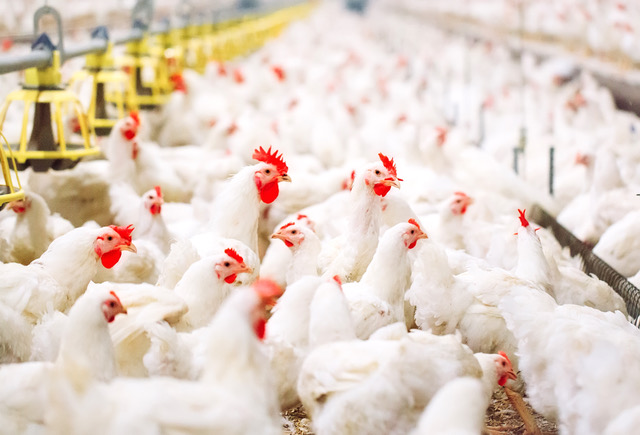
In the experiment, birds were distributed between large and small pens. The 396 female and 64 male breeders were randomly allocated to four treatments: large groups with spiking, large groups without spiking, small groups with spiking, and small groups without spiking. There were four pens per treatment.
The results showed differences in reproductive performance associated with group size. Fertility declined with age, but the larger groups had higher fertility rates than the smaller groups at 40 and 50 weeks of age. At the same time, smaller groups produced more eggs per hen.
The finding highlights that egg production and fertility do not necessarily change in the same direction. Higher egg production does not automatically translate into a higher proportion of fertile eggs and, consequently, greater reproductive efficiency.
Group size therefore emerges as an important management factor to be considered alongside the other parameters that determine breeder performance. The study also found effects of group size on embryonic mortality, although these effects varied according to the stage of embryonic development.
Individual indicators do not tell the whole story
One of the most interesting aspects of the research concerns the relationship between individual characteristics and the reproductive outcome of the group.
Previous scientific literature had already highlighted the complexity of this relationship. A study published in Poultry Science by Bilcik, Estevez, and Russek-Cohen in 2005 investigated reproductive success in broiler breeders under natural mating systems, examining male-male competition, mating behavior, sperm quality, and morphological characteristics. The researchers compared males under competitive and noncompetitive mating conditions and found that reproductive behavior plays an important role in male fertility, alongside sperm competition and morphological and physiological characteristics.
However, the study did not find a simple relationship between individual traits and fertility. The authors reported an overall lack of association between mating behavior, morphological traits, sperm quality, and fertility. They also found that some individual characteristics were associated with mating behavior without necessarily predicting fertility.
These findings help put the Auburn research into perspective. The point is not that the characteristics of individual males are irrelevant, but that individual measurements may not fully predict reproductive performance under natural mating conditions, where interactions among birds can influence the outcome.
The role of spiking
The Auburn research also examined the introduction of new males, a practice commonly referred to as spiking. The experimental design included treatments with and without spiking in both large and small groups.
According to USPOULTRY, male spiking improved reproductive outcomes in the study, while group size and flock uniformity also influenced reproductive performance.
The results should nevertheless be interpreted in the context of the experimental conditions rather than as evidence that spiking will always increase fertility under every commercial management system. The Auburn study compared different combinations of group size and spiking, allowing the researchers to examine reproductive performance under different management conditions.
The role of uniformity and weight management
Broiler breeder reproductive performance is also influenced by body weight management and flock uniformity. These factors are particularly important because growth, body development, sexual maturity, and reproductive capacity need to remain in balance.
In broiler breeders, therefore, fertility management cannot be separated from overall flock management. Body weight, male-to-female ratio, flock age, reproductive behavior, and management strategies such as spiking can all contribute to the final reproductive outcome.
The Auburn research also identified flock uniformity as a factor influencing reproductive performance. USPOULTRY reported that traditional measures of reproductive capacity and individual male or female reproductive traits were poor predictors of fertility and age-related declines.
Towards behavior-based management
The findings suggest that reproductive management should consider not only the numerical ratio of males to females and the individual characteristics of breeders, but also group structure and interactions among birds.
A fertility problem, therefore, should not automatically be attributed to a single male or to an isolated semen-related parameter. Where possible, assessment should also consider male and female distribution, mating behavior, flock age, body-weight uniformity, and the overall management of the breeding group.
The most cautious conclusion to emerge from the research is that broiler breeder fertility is a multifactorial phenomenon in which individual breeder characteristics interact with flock conditions and group dynamics. Group size may therefore represent an important management factor and, under the conditions examined in the Auburn study, was associated with differences in fertility and other reproductive outcomes.
Apa Reaksi Anda?
 Suka
0
Suka
0
 Kurang Suka
0
Kurang Suka
0
 Setuju
0
Setuju
0
 Tidak Setuju
0
Tidak Setuju
0
 Bagus
0
Bagus
0
 Berguna
0
Berguna
0
 Hebat
0
Hebat
0