




























Dog Car Seats: Ensuring Safety on Every Ride

A quick trip to the vet, a weekend escape to Lonavala, or the daily school run with your pup in tow: every car journey with your dog carries more risk than most pet owners realise. An unrestrained dog can distract the driver, get thrown around during sudden braking, or bolt out of an open door in busy traffic. A well-designed dog car seat solves all three concerns at once. It keeps your companion secure, comfortable, and calm while you focus on the road. From compact hatchbacks in Mumbai to SUVs cruising the Bengaluru outer ring road, choosing the right car seat is one of the smartest decisions you can make for your dog. This guide walks you through everything you need to know before your next drive, from the different types of car seats to the small habits that make every trip safer, cooler, and calmer for your best friend.
Why Dog Car Seats Are a Must for Indian Pet Parents
Indian roads are unpredictable. Potholes appear without warning, two-wheelers weave through gaps, and sudden lane changes are the norm rather than the exception. Add stray cattle, unexpected pedestrians, and monsoon-slick surfaces to the mix, and even a short drive can turn eventful. In this environment, a loose dog in the back seat is a real hazard. Even at 40 kilometres per hour, a sudden stop can send a 15 kilogram dog flying forward with enough force to injure both the pet and any passenger in front.
The American Kennel Club recommends that dogs be safely restrained during every car ride, both to protect them in a collision and to prevent driver distraction. A car seat also stops your dog from jumping into your lap at the wrong moment, sticking their head too far out of the window, or panicking during heavy monsoon downpours when visibility drops. For small dogs especially, a raised seat lets them see out of the window, which reduces motion sickness and anxiety. For larger dogs, a proper restraint keeps them from lunging at a passing dog or delivery rider at a traffic signal.
Vets in metros like Delhi and Chennai are increasingly seeing preventable injuries from car incidents involving unrestrained pets, from cracked teeth caused by a face-first jolt against the dashboard to sprained limbs after a fall from the seat. A restraint system built for your dog’s weight and shape prevents most of these emergency visits.
Types of Dog Car Seats and Who They Suit
Not every dog needs the same setup. The right choice depends on your dog’s size, temperament, and your car’s interior.
Booster Seats
Booster seats are raised, box-shaped seats designed for small breeds such as Shih Tzus, Pugs, Lhasa Apsos, and Indian Spitz puppies. They lift the dog high enough to look out of the window while keeping them tethered with an internal safety strap. Most models come with a soft plush lining and clip onto the headrest and seat belt buckle.
Bucket and Bowl Seats
Bucket seats offer deeper sides and a semi-enclosed feel, which suits anxious dogs or breeds that prefer to curl up. They work well for Beagles, Dachshunds, and Cocker Spaniels who like a snug, cave-like space, and they contain shedding to one easy-to-clean pocket.
Hammock and Bench Covers
For medium to large breeds like Labradors, Golden Retrievers, and Indian Pariah dogs, a hammock cover across the back seat is often the best option. It protects your upholstery from fur, mud, and drool, and pairs with a car safety dog harness that clips into the seat belt receiver.
Travel Crates and Carriers
For long trips, or for dogs that get overstimulated by traffic, a hard-sided crate strapped into the boot or back seat offers the highest level of crash protection. Explore sturdy options in the dog carriers range if this suits your travel style.
How to Choose the Right Dog Car Seat
Picking the right seat comes down to six practical factors.
Size and weight capacity. Always check the seat’s maximum weight rating and compare it to your dog’s current and expected adult weight. A seat that is too small will feel cramped, while one that is too large will not keep your pet stable during turns.
Safety certifications. Look for products tested to crash-safety standards. The Center for Pet Safety maintains a public list of independently certified car restraints and harnesses, which is a useful reference even for Indian buyers shopping online.
Material and breathability. Given Indian summers, choose seats with mesh panels, breathable padding, and removable washable covers. Faux leather looks smart but can trap heat, especially in parked cars sitting under the afternoon sun.
Anchor system. The seat should attach to both the headrest and the seat belt anchor. Avoid seats that rely on a single strap. A twin anchor design stays firm during sudden braking and quick lane changes.
Comfort extras. A pocket for treats, a chew-proof tether, and a non-slip base make daily use easier. Pair the seat with a well-fitted collar and ID tag so that your dog remains identifiable if they slip out during a stop.
Ease of cleaning. Indian conditions demand it. Dust from summer commutes, muddy paws after a monsoon walk, and the occasional accident during a long drive are all part of daily life. Pick a seat with a machine-washable cover, wipeable inner lining, and a design that comes apart in under a minute. You are more likely to keep the seat clean, and therefore keep using it, when maintenance is quick.
Setting Up the Seat and Getting Your Dog Comfortable
Even the best car seat fails if it is installed poorly or introduced abruptly. Start by placing the seat on the rear bench, never the front passenger seat, as airbag deployment can seriously injure a small dog. Thread the seat belt through the designated anchor loops and tighten until the seat does not shift when pulled from side to side.
Next, let your dog explore the seat while the car is parked at home. Place a familiar blanket, a favourite chew, or a few treats inside. Once your dog steps in willingly, clip the internal tether to their harness and sit beside them for a few minutes. Repeat this over two or three days before the first real drive.
Start with short trips of five to ten minutes around your neighbourhood. Gradually build up to longer rides. According to the ASPCA travel safety guidelines, gradual acclimatisation greatly reduces travel anxiety and motion sickness in dogs of all ages.
Safety Practices Every Indian Pet Parent Should Follow
A car seat is one piece of the puzzle. Combine it with these habits for a truly safe ride:
-
Never leave your dog alone in a parked car. Interior temperatures in Indian summers can cross 50 degrees Celsius within ten minutes, causing fatal heatstroke.
-
Keep the windows only partly open. A dog leaning fully out risks eye injury from flying debris and can leap after a stray animal.
-
Carry water, a collapsible bowl, and a light towel for quick clean-ups after monsoon drives.
-
Plan bathroom breaks every two hours on highway trips. Look for shaded areas away from busy roads.
-
If your dog is prone to car sickness, feed a light meal at least two hours before departure and avoid heavy treats during the drive.
-
Keep a basic pet first aid kit in the glove box, including gauze, antiseptic wipes, and any prescribed medication.
Round out your setup with useful add-ons from the dog travel accessories range, from cooling mats to spill-proof bowls.
Common Mistakes That Undo the Safety Benefits
Even careful pet parents slip up. The most frequent mistake is clipping the tether to a regular flat collar instead of a harness, which can injure the neck during sudden braking. Others include using a seat that is far below or above the dog’s weight rating, letting a large dog ride in the front seat, or driving with the car seat balanced loosely on the rear bench without any belt anchoring. Skipping the acclimatisation phase is another common misstep. A dog that panics on the first drive often develops long-term car anxiety, which makes future travel harder for everyone. Cleaning matters too. A soiled seat cover collects bacteria and odours over time, so wash the removable parts every two weeks during warmer months.
Final Thoughts
A dog car seat is not a luxury. It is essential safety gear, much like a seat belt for humans. The right seat protects your dog from injury, prevents driver distraction, and turns every ride into a calmer, more predictable experience for the whole family. Take time to match the seat to your dog’s size and temperament, introduce it gradually, and pair it with sensible travel habits suited to Indian roads and weather. Investing in a good car seat today saves years of stress, vet bills, and worry down the road. Every drive, short or long, becomes safer the moment your dog is properly secured.
Frequently Asked Questions
Are dog car seats safe for puppies?
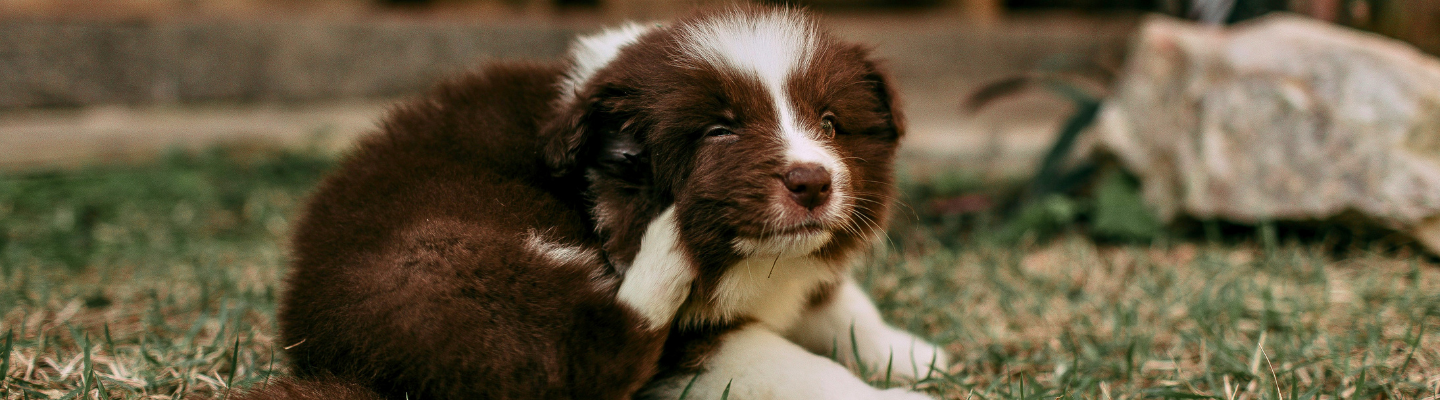
Yes, provided the seat is sized correctly and paired with a soft, well-fitted puppy harness. Start using one from the very first car ride to build a positive lifelong habit and to avoid car anxiety later.
What size dog can use a booster seat?
Booster seats typically suit dogs under 10 kilograms. Small breeds like Pugs, Shih Tzus, Indian Spitz puppies, and small mixed breeds fit comfortably. Always verify the manufacturer’s weight limit before buying.
Can I use a regular collar instead of a harness with a car seat?
No. Clipping the internal tether to a flat collar can cause serious neck injury during braking. Always use a padded body harness designed for car travel.
How can I stop my dog from getting car sick?
Feed a light meal two hours before travel, keep the car cool and well ventilated, use a raised seat so your dog can see out of the window, and begin with short, calm drives to build tolerance over time.
Where should I place the dog car seat in my vehicle?
The safest spot is the middle of the rear bench, secured with the seat belt and headrest anchors. Never install it in the front passenger seat, as airbag deployment can be fatal for small pets.
Can large dogs like Labradors use a car seat?
Large breeds are better suited to a bench-style hammock cover combined with a crash-tested harness that clips into the seat belt receiver, or a well-secured travel crate placed in the boot.
Apa Reaksi Anda?
 Suka
0
Suka
0
 Kurang Suka
0
Kurang Suka
0
 Setuju
0
Setuju
0
 Tidak Setuju
0
Tidak Setuju
0
 Bagus
0
Bagus
0
 Berguna
0
Berguna
0
 Hebat
0
Hebat
0