






















USSEC Highlights How High-Quality Sustainable Feed Ingredients Can Boost the Region’s Aquaculture Performance
AquaCON conference explores the importance of consistent, reliable, and nutritious U.S. soybean meal to drive the industry forward.
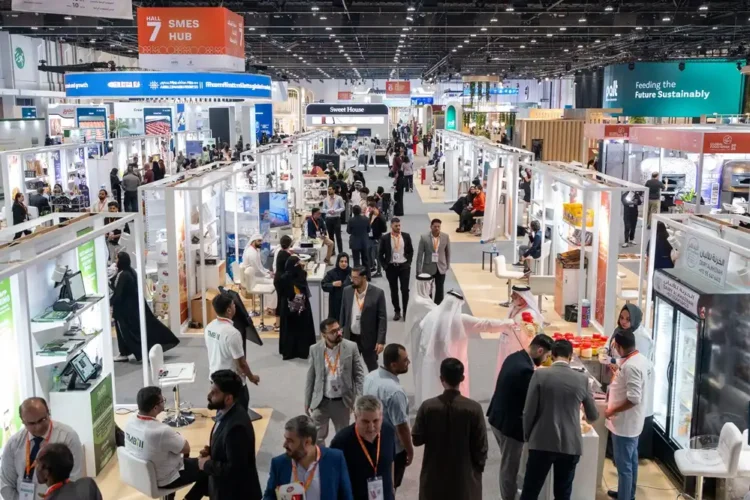
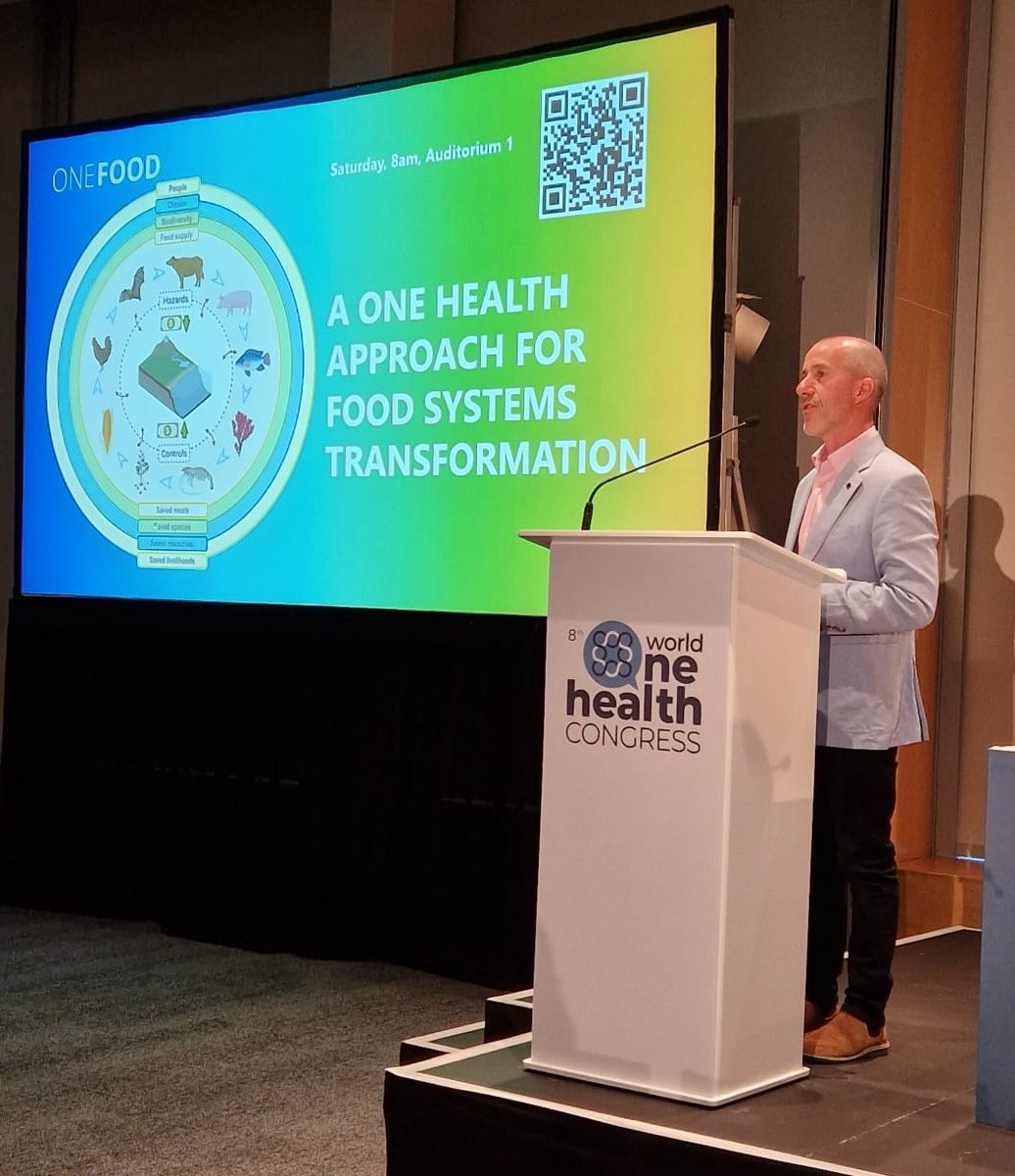
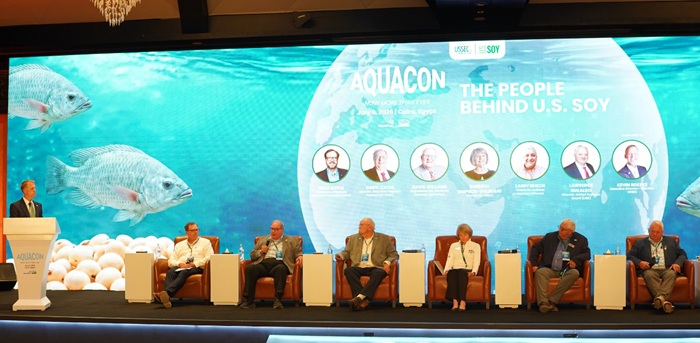
Investing in superior quality aquafeed is essential for aquaculture’s long-term success. At AquaCON, hosted by the U.S. Soybean Export Council (USSEC) in collaboration with WorldFish Egypt, U.S. soybean farmers, educators, nutritionists, and aquaculture’s most prominent voices from across the Middle East, North Africa and South Asia (MENASA) region gathered to discuss forward-thinking strategies, best practices, and the role of feed in sustainably growing the industry.Production from global fisheries and aquaculture reached a new record of 235 million tonnes in 2024[1], underscoring the industry’s important role in feeding the world. Regionally, Egypt is Africa’s largest aquaculture producer and a top 2 market for whole U.S. soybeans. Bangladesh is the sixth-largest global aquaculture producer and South Asia’s largest market for U.S. soybeans. These rapid growth trajectories demonstrate U.S. Soy’s growing presence and potential in the region.
Consistency: The Foundation of Performance Optimization
U.S. soybean meal is proven to deliver superior results when compared to soy from other origins. Research shows that whole U.S. soybeans have 5x less damage than Brazilian soybeans[2]. Unlike South American soybeans which are grown in tropical climates, U.S. soybeans have the advantage of drying naturally in the sun. In contrast, South American soybeans are harvested in wet conditions, requiring excess moisture removal through mechanical wood-fired driers – a process that damages the soybeans while reducing their nutritional integrity.U.S. soybeans, therefore, are drier, have lower heat damage, higher digestibility, and, in turn, greater metabolizable energy. These qualities translate into improved aquaculture performance.“The consistent superior quality that U.S. soybean meal brings to the feed mills allows aquaculture producers to minimize safety margins and operational costs,” adds Kevin Roepke, Executive Director – MENASA at USSEC. “This consistency and reliability put U.S. Soy ahead of its competitors,”
Sustainably Nourishing the WorldU.S. Soy is verified sustainable and has the lowest carbon footprint compared to soy from other origins. An extensive third-party audit program known as the U.S. Soy Sustainability Assurance Protocol (SSAP) ensures that U.S. Soy is sustainably produced, helping international customers meet their ESG requirements.
“U.S. Soy farmers care deeply about sustainability,” added Roberta Simpson-Dolbeare, USSEC Vice Chair and U.S. soybean farmer from Illinois. “From the soil to harvest, we make sure sustainability is integrated across our growing practices.” As producers in the MENASA region expand aquaculture operations to meet growing protein demands, U.S. soybean meal can play a crucial role as a reliable, high-quality, sustainable feed ingredient.About U.S. Soybean Export Council:
The U.S. Soybean Export Council (USSEC) focuses on differentiating, elevating preference, and attaining market access for the use of U.S. Soy for human consumption, aquaculture, and livestock feed in more than 90 countries internationally. USSEC members represent the soy supply chain, including U.S. Soy farmers, processors, commodity shippers, merchandisers, allied agribusinesses, and agricultural organizations. USSEC is funded by the U.S. Soy Checkoff, USDA Foreign Agricultural Service matching funds, and industry. Visit www.ussec.org for the latest information about USSEC and U.S. Soy internationally.
Apa Reaksi Anda?
 Suka
0
Suka
0
 Kurang Suka
0
Kurang Suka
0
 Setuju
0
Setuju
0
 Tidak Setuju
0
Tidak Setuju
0
 Bagus
0
Bagus
0
 Berguna
0
Berguna
0
 Hebat
0
Hebat
0