
























UK urged to ban Brazilian meat imports over antibiotic and AMR concerns
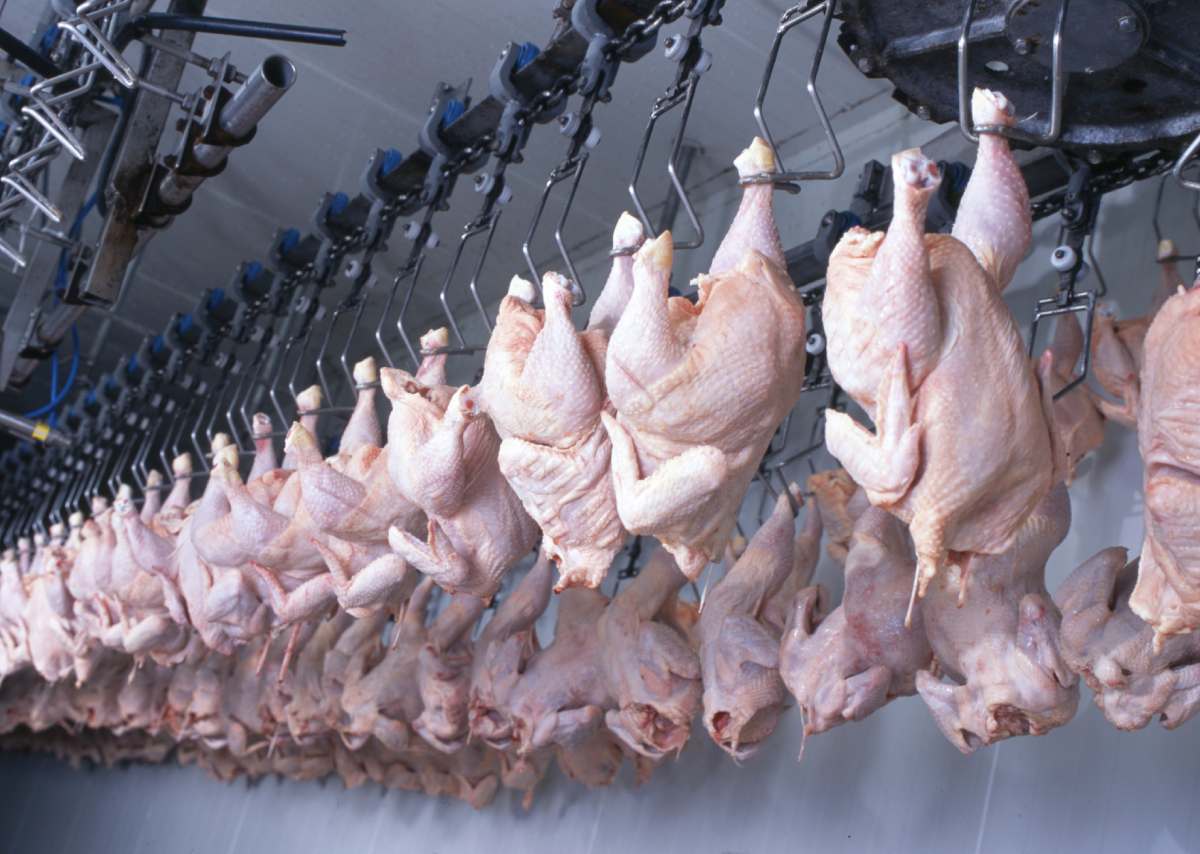
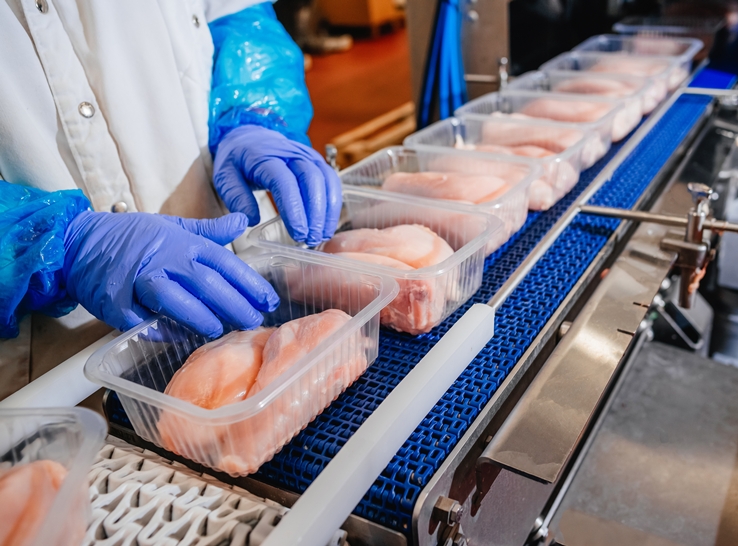
Leading UK farming organisations have called on the government to urgently prohibit imports of Brazilian beef, poultry and other affected animal products, bringing Great Britain into line with restrictions due to take effect in the European Union and, through the EEA framework, in relevant EEA countries from 3 September 2026. The National Farmers’ Union, NFU Scotland, NFU Cymru and the Ulster Farmers’ Union have jointly written to Defra Secretary of State Dame Angela Eagle, warning that continued imports could pose concerns for public health, consumer confidence and domestic producers.
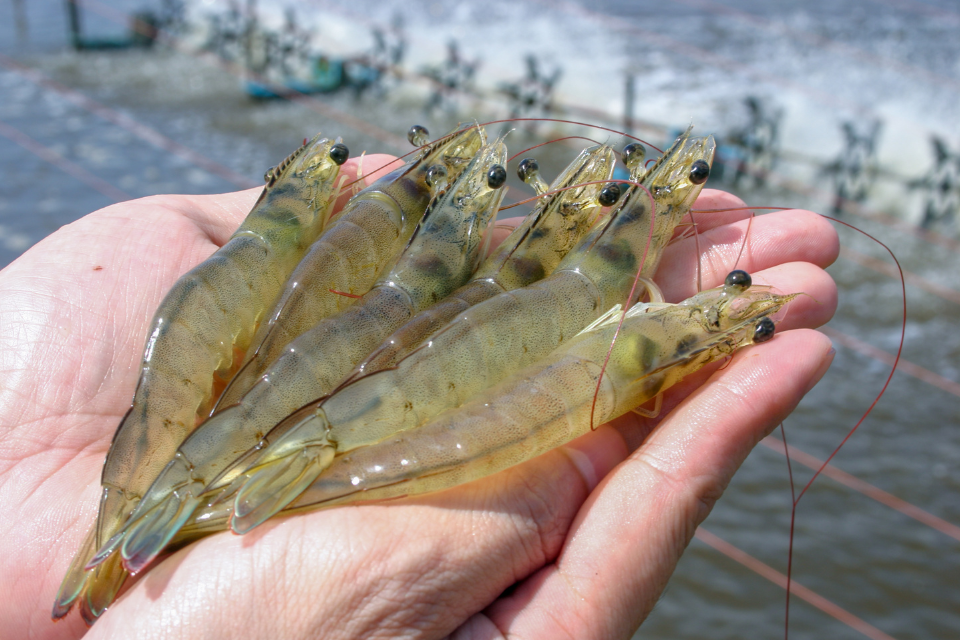
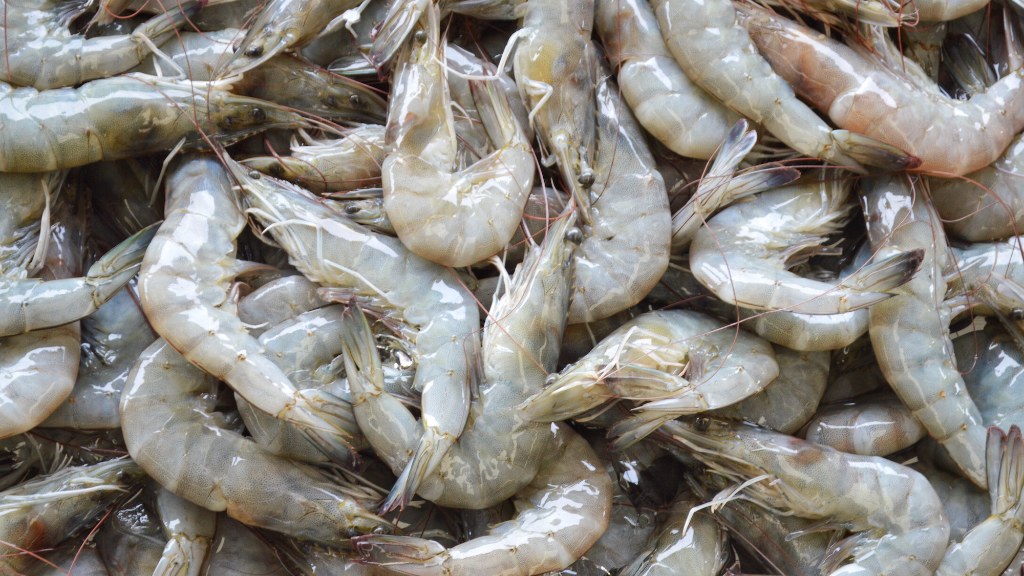
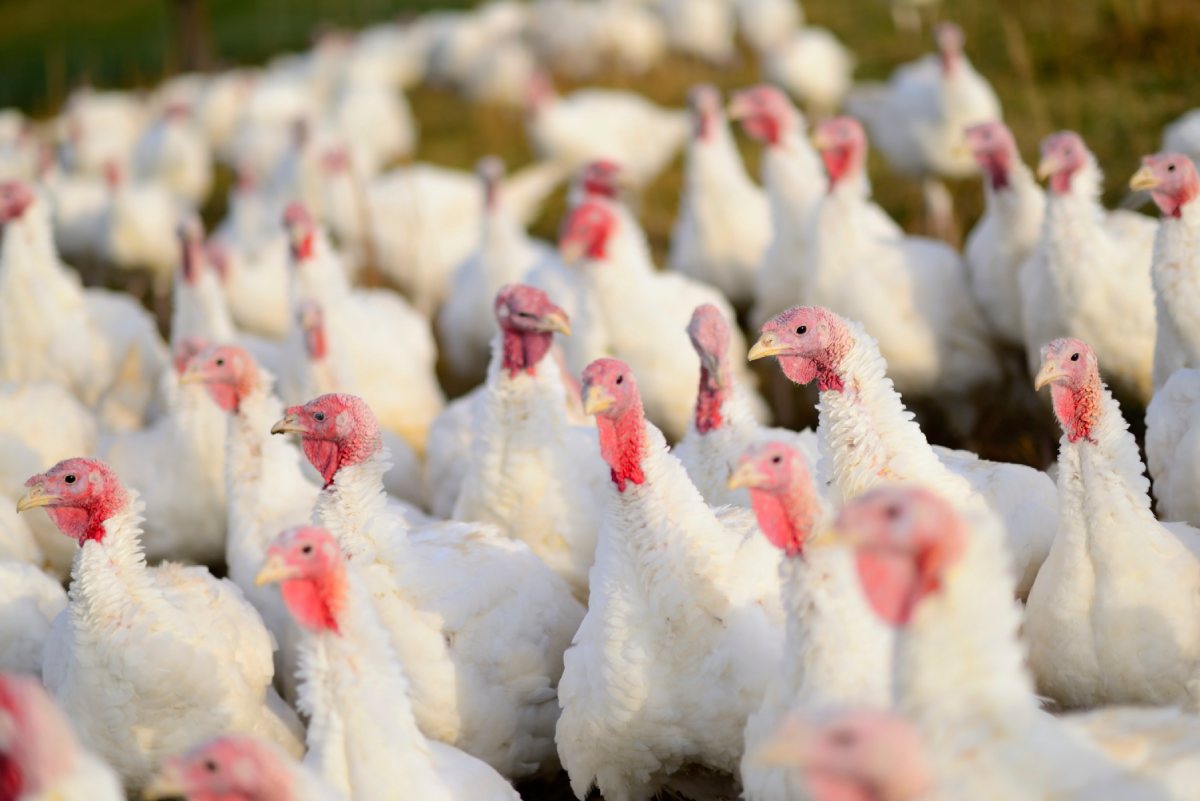
The request follows the European Union’s decision to remove Brazil from the list of third countries authorised to export certain products of animal origin to the EU under new requirements concerning the use of certain antimicrobial medicinal products. The measure, established by Commission Implementing Regulation (EU) 2026/1189, applies from 3 September 2026. It affects several categories of Brazilian products of animal origin, including bovine and equine products, poultry, aquaculture products, honey and casings. The EU decision reflects the fact that the European Commission had not received information guaranteeing that Brazil had implemented the necessary measures to comply with the relevant requirements by 3 September 2026.
The EU measure should not, however, be interpreted as a finding that Brazilian meat is inherently unsafe or that all Brazilian meat is produced in violation of EU rules. The issue is whether Brazil has provided the guarantees and implemented the measures required under the EU regulatory framework concerning the use of certain antimicrobials in animals intended for food production.
The UK farming organisations’ concerns have also been reinforced by an investigation published in 2025 by the Irish Farmers Journal and the Irish Farmers’ Association. The investigation involved travelling approximately 3,000 km through four Brazilian states. The researchers reported being able to purchase prescription-only antibiotics from agricultural supply stores without providing identification, a prescription or a herd or animal number, and found little evidence of traceability for such sales. The investigation also reported the availability of antibiotics classified as highest-priority critically important antimicrobials for human medicine. These findings are those of the investigation and should not be presented as evidence that such practices are universal across Brazil.
The investigation also reported the use, on farms visited, of feed containing monensin, an antimicrobial that can be used for animal-health purposes and to improve feed efficiency and weight gain. The evidence does not by itself demonstrate that therapeutic use and growth promotion were being systematically conflated, and the original description of “medicated feed blocks” has therefore been omitted.
The reported practices have raised concerns because they differ from the European approach to antimicrobial stewardship. In the EU and UK, the use of antibiotics for growth promotion has been prohibited since 2006, while policies have increasingly focused on reducing unnecessary antimicrobial use and limiting the use of substances considered particularly important for human medicine. The UK farming unions argue that imported food should be subject to standards that provide equivalent protection to those required of domestic producers.
Antimicrobial resistance (AMR) is a broader public-health concern because resistant microorganisms can make infections more difficult to treat. Resistant bacteria and resistance genes can circulate between humans, animals and the environment, with food being one of the possible routes of exposure and transmission. The existence of this pathway does not, however, demonstrate that Brazilian meat currently entering the UK is causing AMR infections among consumers.
The Alliance to Save Our Antibiotics has also highlighted the global burden of antimicrobial resistance. Its campaigners cite estimates according to which AMR is directly responsible for about 1.14 million deaths globally and is associated with several million additional deaths. These figures are estimates of the global burden of AMR and should not be interpreted as evidence of a specific health impact from Brazilian meat imports.
Despite the pressure from farming organisations, the UK government has not introduced an equivalent ban. Defra has said that its experts have sought urgent information and assurances from Brazil as part of a rapid assessment of beef and poultry production systems, while the department is also monitoring the market impact of the EU restrictions. The government has stressed that the UK maintains robust import controls designed to protect animal and public health.
The British farming unions argue that, if Brazilian products lose access to EU markets but remain eligible for the British market under existing UK rules, some shipments could potentially be redirected towards Great Britain. This is a possible market consequence rather than an established outcome. The unions also warn that such a development could increase competitive pressure on British producers, who are required to comply with UK production and antimicrobial-use rules.
The issue is particularly complex for Northern Ireland because, under the Windsor Framework, Northern Ireland remains within the EU sanitary and phytosanitary (SPS) zone for relevant goods, meaning that EU import requirements continue to apply to animal products entering Northern Ireland from third countries. A divergence between Great Britain and the EU over Brazilian animal-product imports could therefore create additional regulatory and trading complications within the UK.
For the wider livestock sector, including producers in Italy and elsewhere in the EU, the dispute highlights the growing importance of antimicrobial stewardship, treatment traceability and the ability to demonstrate compliance with production requirements in international trade. As governments tighten requirements concerning antimicrobial use and food safety, the ability to demonstrate compliance with verifiable standards may become an increasingly important factor alongside price and other aspects of competitiveness.
The case nevertheless needs to be distinguished from a finding that Brazilian meat is unsafe. The EU decision concerns Brazil’s ability to provide the guarantees and demonstrate implementation of the measures required under the EU antimicrobial framework, while the UK is conducting its own assessment and, as of 31 August 2026, has not announced an equivalent prohibition.
Apa Reaksi Anda?
 Suka
0
Suka
0
 Kurang Suka
0
Kurang Suka
0
 Setuju
0
Setuju
0
 Tidak Setuju
0
Tidak Setuju
0
 Bagus
0
Bagus
0
 Berguna
0
Berguna
0
 Hebat
0
Hebat
0