































































Electrolyte supplement checklist for optimal hydration


Choosing the right electrolyte supplement shouldn’t feel like guesswork. Shelves overflow with options claiming superior hydration, yet many products contain harmful additives or lack effective electrolyte ratios. This evidence-based checklist cuts through marketing noise, giving you clear criteria to evaluate natural electrolyte supplements that genuinely enhance hydration and support your active lifestyle.
Table of Contents
- Selection Criteria For Choosing Electrolyte Supplements
- Core Electrolyte Components And Their Role
- Ingredient Purity And Safety Considerations
- Role Of Glucose In Electrolyte Supplements
- Use-Case Mapping: Matching Supplement To Activity
- Pricing And Accessibility
- Summary Comparison And Situational Picks
- Enhance Your Hydration With Vitalyte Electrolyte Supplements
Key takeaways
| Point | Details |
|---|---|
| Selection criteria | Evaluate supplements using electrolyte balance, ingredient purity, glucose presence, exercise suitability, and cost-effectiveness. |
| Core electrolytes | Sodium concentrations of 20-60 mEq/L and potassium around 2-5 mEq/L optimize rehydration for most athletes. |
| Glucose advantage | Glucose-based formulas improve hydration rates by up to 30% compared to water alone through enhanced intestinal absorption. |
| Purity matters | Natural formulations reduce GI distress and allergic reactions, with 30% fewer adverse effects versus synthetic alternatives. |
| Activity matching | Short workouts need 200-400 mg sodium per liter; endurance events require 460-1150 mg for proper replenishment. |
Selection criteria for choosing electrolyte supplements
Effective electrolyte supplements share five core characteristics that separate quality products from ineffective alternatives. Understanding these criteria helps you navigate crowded supplement aisles with confidence.
Balanced electrolyte ratios form the foundation of proper hydration. Sodium and potassium work together to regulate fluid balance and muscle function. Products lacking adequate sodium fail to replace what you lose through sweat, while excessive potassium without proper sodium ratios can cause cramping. Look for supplements listing specific electrolyte amounts per serving rather than vague proprietary blends.
Ingredient purity dramatically impacts how your body tolerates supplementation. Supplements with HFCS show 15-20% higher GI issues compared to pure formulations. Artificial sweeteners and synthetic dyes offer no performance benefit while potentially triggering digestive discomfort during exercise. Natural formulations using real fruit flavors and glucose provide cleaner alternatives that support rather than hinder your training.
Glucose presence enhances electrolyte absorption through intestinal co-transport mechanisms. This scientific principle underlies why glucose-based supplements outperform glucose-free alternatives for rapid rehydration. The sugar serves a functional purpose beyond taste, actively improving how efficiently your body absorbs sodium and water.
Exercise duration and intensity determine your electrolyte needs. A 30-minute gym session requires different replenishment than a three-hour trail run. Matching supplement concentration to activity prevents both under-replacement and wasteful over-supplementation. Consider your typical workout length when evaluating product specifications.
Cost per serving and convenience affect long-term adherence. The most scientifically perfect supplement fails if price or packaging makes consistent use impractical. Calculate actual serving costs and consider format options like electrolyte powder for daily benefits versus single-serve packets for travel.
Pro Tip: Compare labels by calculating sodium and potassium content per 8 oz serving for accurate product-to-product evaluation, as manufacturers use varying serving sizes.
Key selection factors:
- Sodium content between 100-300 mg per 8 oz for moderate activity
- Potassium levels proportional to sodium, typically 50-100 mg per serving
- Clean ingredient lists without HFCS or artificial additives
- Glucose or natural carbohydrate source for enhanced absorption
- Packaging format matching your usage patterns
Core electrolyte components and their role
Sodium and potassium function as primary electrolytes essential for athletic performance and recovery. Sodium maintains extracellular fluid volume, preventing the dangerous dilution of blood that occurs when you drink plain water after heavy sweating. Potassium supports intracellular functions, particularly the electrical signals triggering muscle contractions. Together, these minerals create the osmotic gradients that move water into cells efficiently.

Magnesium and calcium provide supporting roles in hydration formulas. Magnesium aids muscle relaxation after contractions, potentially reducing cramping in endurance events. Calcium supports nerve transmission and bone health, though sweat losses of calcium remain relatively small compared to sodium and potassium. Quality supplements balance these secondary electrolytes without overloading formulas with unnecessary minerals.
Effective concentration ranges guide product evaluation. Research shows sodium concentrations of 20-60 mEq/L and potassium around 2-5 mEq/L effectively support rehydration across various athletic activities. Converting these scientific units to consumer-friendly measurements, look for 460-1380 mg sodium and 78-195 mg potassium per liter of prepared drink.
Electrolyte imbalances directly impact performance markers. Low sodium causes hyponatremia, marked by confusion, nausea, and potentially dangerous swelling. Insufficient potassium replacement leads to muscle weakness and irregular heartbeats. Even mild deficits reduce power output and increase perceived exertion, making workouts feel harder than necessary.
Understanding the importance of electrolytes for workouts transforms how you approach hydration strategy. Rather than drinking to thirst alone, matching electrolyte intake to sweat losses maintains performance throughout extended sessions.
Electrolyte concentration benchmarks:
| Electrolyte | Effective Range (per liter) | Primary Function |
|---|---|---|
| Sodium | 460-1380 mg | Fluid balance, nerve transmission |
| Potassium | 78-195 mg | Muscle contraction, cellular hydration |
| Magnesium | 10-30 mg | Muscle relaxation, energy production |
| Calcium | 20-60 mg | Bone health, nerve signaling |
Ingredient purity and safety considerations
High fructose corn syrup represents the most common problematic ingredient in conventional sports drinks. HFCS provides sweetness at low cost but offers no functional hydration advantage over glucose. More concerning, fructose absorption follows different metabolic pathways that can trigger GI distress during exercise when blood flow diverts from digestive organs to working muscles.
Artificial sweeteners and synthetic dyes serve purely cosmetic purposes while introducing potential allergens. Sucralose, aspartame, and acesulfame potassium appear in many zero-calorie electrolyte products. These compounds may alter gut microbiome composition and taste perception. Synthetic dyes like Red 40 and Yellow 5 trigger sensitivities in some individuals without adding performance value.
Natural formulations reduce adverse reaction risk substantially. Consumers reported 30% fewer adverse reactions using natural formulations versus conventional electrolyte drinks in controlled surveys. Clean ingredient lists using real fruit extracts, natural colors from vegetables, and mineral-based electrolytes minimize the chance of mid-workout digestive issues.
Clear labeling enables informed allergen management. Quality manufacturers list all ingredients transparently, calling out common allergens like soy lecithin or gluten-containing additives. Vague terms like “natural flavors” without specificity leave athletes guessing about potential triggers. Look for products with straightforward ingredient decks you can pronounce and recognize.
Consumer trends increasingly favor clean, minimal-ingredient supplements. Athletes recognize that simpler formulations often perform better than kitchen-sink approaches cramming dozens of unproven additives into single products. This shift toward purity aligns with growing awareness that electrolyte powder in daily routines works best when formulas respect digestive tolerance.
Ingredients to avoid:
- High fructose corn syrup and crystalline fructose
- Artificial sweeteners including sucralose, aspartame, acesulfame-K
- Synthetic food dyes and colorants
- Maltodextrin as primary carbohydrate source
- Proprietary blends hiding ingredient amounts
Role of glucose in electrolyte supplements
Glucose-sodium co-transport mechanisms explain why carbohydrate-containing electrolyte supplements outperform sugar-free alternatives. Specific protein channels in intestinal cells simultaneously transport glucose and sodium molecules. When glucose binds to these transporters, sodium absorption increases dramatically, pulling water molecules along through osmosis. This active transport process works faster and more completely than passive diffusion of electrolytes alone.
Hydration efficiency improvements reach significant levels with proper glucose inclusion. Oral rehydration solutions with glucose-sodium co-transport show hydration rates up to 30% higher compared to water alone. This enhancement proves particularly valuable during extended exercise when rapid fluid absorption determines whether you maintain performance or fade.
Taste and palatability improve with glucose-based formulations. Natural sweetness from glucose makes supplements more enjoyable to drink, increasing voluntary consumption. Athletes who find their electrolyte drinks pleasant tend to hydrate more consistently throughout workouts. This behavioral factor often matters as much as physiological optimization.
Sustained energy provision adds secondary benefits beyond hydration. Glucose entering the bloodstream during exercise spares muscle glycogen stores slightly, potentially extending endurance capacity. While electrolyte supplements shouldn’t replace proper fueling strategies, the carbohydrates present contribute to overall energy availability during longer sessions.
Common misconceptions about sugar content deserve clarification. The 4-8% carbohydrate concentration in properly formulated electrolyte drinks serves a scientific purpose, not empty calories. This level optimizes gastric emptying and intestinal absorption rates. Higher concentrations slow fluid delivery, while zero-sugar options sacrifice the co-transport advantage that makes glucose valuable for hydration.
Understanding whether electrolyte drinks prove beneficial requires recognizing glucose as functional ingredient rather than simple sweetener.
“The sodium-glucose co-transporter represents one of the most efficient absorption mechanisms in human physiology. Leveraging this system transforms ordinary hydration into optimized rehydration.”
Glucose benefits for hydration:
- Activates intestinal co-transport proteins for faster sodium absorption
- Increases water uptake through osmotic gradients
- Improves voluntary fluid consumption through better taste
- Provides readily available energy during extended exercise
- Supports faster recovery through simultaneous nutrient delivery
Use-case mapping: matching supplement to activity
Workout duration determines baseline electrolyte requirements more than any other single factor. Sessions under 60 minutes in moderate conditions rarely deplete electrolytes enough to require supplementation. Your body’s natural reserves handle these shorter efforts. Workouts under 60 minutes need 200-400 mg sodium per liter, while endurance events lasting over two hours may require 460-1150 mg sodium per liter depending on sweat rate and environmental conditions.
Intensity levels modify base recommendations substantially. High-intensity intervals generate greater sweat rates than steady-state cardio, accelerating electrolyte losses even in shorter sessions. A 45-minute HIIT workout in summer heat may demand more replacement than a two-hour easy bike ride in cool weather. Assess both duration and effort when selecting supplement concentration.
Environmental considerations compound sweat-related losses. Heat and humidity increase fluid turnover dramatically, with sweat rates climbing from 0.5 liters per hour in cool conditions to 2+ liters per hour in hot, humid environments. Outdoor activities in direct sun add radiant heat load beyond air temperature alone. Winter athletes often underestimate needs, forgetting that heavy clothing and dry air both accelerate dehydration.
Packaging format affects practical usability across scenarios. Bulk powder containers offer best value for home or gym use where mixing equipment stays accessible. Single-serve stick packs provide convenience for travel, races, or outdoor adventures where carrying prepared drinks proves impractical. Ready-to-drink bottles eliminate mixing but cost more per serving and generate packaging waste.
Balancing electrolyte concentration with total fluid volume prevents overload. Drinking highly concentrated supplements too quickly can cause temporary GI distress as osmotic gradients draw water into intestines. Follow package directions for dilution ratios, adjusting slightly based on personal tolerance and sweat rates learned through experience.
Exploring electrolytes for endurance sports reveals how marathon runners and ultra-athletes approach supplementation differently than recreational exercisers.
Activity-based supplement selection:
- Short workouts (under 60 min): 200-400 mg sodium per liter, optional for moderate conditions
- Moderate sessions (1-2 hours): 400-600 mg sodium per liter, recommended for sustained performance
- Endurance events (2+ hours): 600-1150 mg sodium per liter, essential for safety and performance
- High heat/humidity: Increase sodium by 200-400 mg per liter regardless of duration
- Cold weather: Maintain normal intake despite reduced thirst perception
Pricing and accessibility
Cost per serving reveals true value beyond headline package prices. A $40 tub containing 90 servings costs $0.44 per use, while $3 ready-to-drink bottles deliver single servings at nearly seven times the cost. Calculate actual per-serving expenses by dividing total price by number of prepared drinks each package yields. This math often shows powder formats offering superior economy.
Bulk purchasing strategies reduce long-term supplementation costs significantly. Buying larger containers or multi-pack bundles typically lowers per-serving prices by 15-30% compared to single units. For athletes using electrolytes daily or multiple times weekly, bulk options make consistent supplementation affordable. Stock up when finding products that match your criteria and taste preferences.
On-the-go packaging commands premium pricing but delivers convenience worth paying for in specific situations. Stick packs and single-serve pouches cost more per serving than bulk powder yet prove invaluable for races, travel, or outdoor activities where mixing equipment and storage space limit options. Balance your purchase between economical bulk supplies for routine use and convenient singles for special circumstances.
Accessibility in retail stores versus online affects purchasing decisions. Mainstream sports drinks dominate physical retail shelves, while specialized natural electrolyte supplements often require online ordering. Direct-to-consumer brands bypass retail markups, sometimes offering better quality at comparable prices. Weigh shipping costs and wait times against immediate retail availability.
Consistent supplementation budgets determine sustainable habits. The perfect supplement fails if cost prevents regular use. Set realistic monthly spending limits, then find the highest-quality option within that constraint. Starting with electrolyte powder for rapid replenishment in economical containers builds habits without financial strain.
Pro Tip: Order sample packs or single-serve options before committing to large containers, ensuring taste and tolerance before investing in bulk quantities.
| Format | Cost per Serving | Convenience | Best For |
|---|---|---|---|
| Bulk powder (30+ servings) | $0.35-$0.60 | Requires mixing | Home/gym regular use |
| Stick packs (10-20 count) | $0.75-$1.25 | High portability | Travel, races, outdoor activities |
| Ready-to-drink bottles | $2.00-$3.50 | Immediate consumption | Emergency backup, convenience |
Cost optimization strategies:
- Buy bulk containers for products you use consistently
- Keep stick packs for situations requiring portability
- Watch for multi-pack bundles and subscription discounts
- Calculate cost per serving, not per package
- Consider orange electrolyte stick packs for balanced cost and convenience
Summary comparison and situational picks
Comparing supplements across the established criteria clarifies which products genuinely deliver on hydration promises versus marketing hype. This checklist-based framework removes confusion, letting you evaluate any electrolyte supplement systematically.
Endurance athletes prioritize complete electrolyte profiles with adequate sodium for multi-hour efforts. Products providing 500-800 mg sodium per liter, balanced potassium, and glucose-based carbohydrates match the physiological demands of marathons, century rides, and ultra-distance events. Taste becomes crucial for consuming large volumes over extended periods. Understanding the importance of electrolytes for workouts at this intensity level prevents performance-limiting imbalances.
Outdoor and travel users value portability and shelf stability above all else. Stick packs and single-serve pouches eliminate the need for measuring scoops and mixing containers in remote locations. Products requiring no refrigeration and mixing easily in standard water bottles suit hiking, camping, and business travel. Slightly higher per-serving costs prove worthwhile for the convenience gained.
Budget-conscious consumers achieve excellent results with basic powder formulations. Stripping away fancy packaging and extensive flavor lineups reduces costs while maintaining core electrolyte efficacy. Generic or house-brand natural electrolyte powders often match premium products in actual mineral content. Focus spending on ingredient quality rather than marketing polish.
Trade-offs between formulation quality and cost require honest assessment of your priorities and usage patterns. Daily users benefit from investing in pure, natural formulations even at premium prices since long-term digestive tolerance and health impacts matter. Occasional users might accept less-than-ideal ingredients to access lower entry prices, upgrading as usage increases.
Applying this checklist to personal needs means ranking criteria by individual importance. Competitive athletes might prioritize electrolyte ratios and glucose presence above cost. Casual exercisers may emphasize taste and affordability. Someone with food sensitivities necessarily focuses on ingredient purity. No single “best” supplement exists, only the best match for your specific situation.
Pro Tip: Request sample packs before purchasing full-size containers, testing both taste preferences and digestive tolerance during actual workouts rather than at rest.
| Criteria | Endurance Athlete Priority | Casual Exerciser Priority | Budget-Conscious Priority |
|---|---|---|---|
| Electrolyte profile | High (complete ratios) | Medium (basic sodium/potassium) | Medium (adequate minimums) |
| Ingredient purity | High (clean formulation) | Medium (avoid HFCS) | Low (accept some additives) |
| Glucose presence | High (enhanced absorption) | Medium (nice to have) | Low (optional feature) |
| Cost per serving | Low (will pay for quality) | Medium (reasonable price) | High (primary factor) |
| Convenience | Medium (bulk + travel options) | High (easy mixing) | Low (bulk powder acceptable) |
Checklist application steps:
- List your typical workout durations and intensities
- Identify any ingredient sensitivities or dietary preferences
- Calculate monthly usage to determine cost impact
- Rank criteria by personal importance
- Compare products against your weighted priorities
- Test top candidates during actual training sessions
- Evaluate both electrolyte drink benefits and practical usability
Enhance your hydration with Vitalyte electrolyte supplements
Vitalyte delivers natural electrolyte solutions matching every criterion in this selection checklist. Our glucose-based formulations leverage scientific co-transport mechanisms for superior absorption without HFCS or artificial additives. Whether you need electrolyte powder for rapid replenishment after intense training or convenient orange electrolyte stick packs for travel and races, we offer formats fitting your active lifestyle.
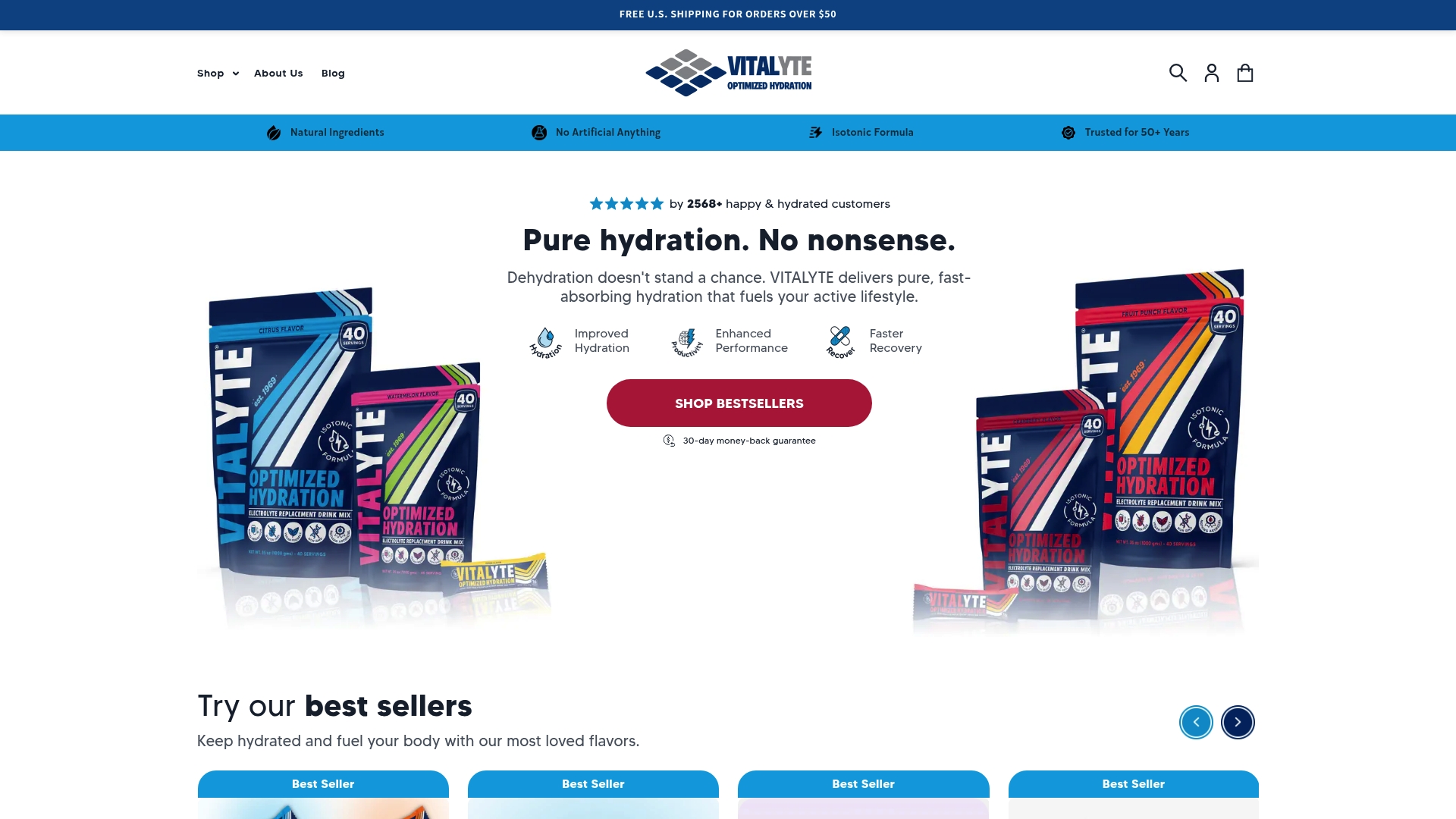
Our isotonic electrolyte drink mix provides balanced sodium and potassium in concentrations proven effective across diverse athletic activities. Clean ingredients ensure digestive tolerance during hard efforts when conventional sports drinks cause GI distress. Explore our product range to find your ideal hydration partner supporting performance and recovery naturally.
FAQ
What electrolytes should I look for in a supplement?
Focus primarily on sodium and potassium, the electrolytes lost most significantly through sweat. Effective supplements provide 100-300 mg sodium and 50-100 mg potassium per 8 oz serving for moderate activities. Magnesium and calcium offer supporting benefits for muscle function and nerve transmission but matter less than adequate sodium-potassium balance.
Is glucose necessary in electrolyte supplements?
Glucose significantly enhances hydration efficiency through intestinal co-transport mechanisms that simultaneously absorb sodium and water. Supplements containing glucose show up to 30% better hydration rates compared to sugar-free alternatives. While not absolutely required for basic electrolyte replacement, glucose provides measurable performance advantages during exercise lasting over 60 minutes.
How do I choose the right electrolyte supplement for my workout?
Match supplement concentration to your exercise duration and environmental conditions. Workouts under 60 minutes need 200-400 mg sodium per liter, while endurance sessions require 460-1150 mg sodium per liter. Consider heat, humidity, and personal sweat rate when selecting products. Stick packs offer portability for races and travel; bulk powders provide economy for regular training.
Are natural electrolyte supplements better than conventional sports drinks?
Natural formulations without HFCS and artificial additives reduce gastrointestinal issues by 30% compared to synthetic alternatives. Clean ingredient lists minimize allergic reactions and support better long-term digestive tolerance. While both types can provide adequate electrolytes, natural supplements offer purity advantages particularly valuable for athletes using products daily or during multi-hour efforts.
How much should I spend on electrolyte supplements?
Cost per serving ranges from $0.35 for bulk powders to $3.50 for ready-to-drink bottles. Calculate monthly usage to determine total budget impact, then select the highest-quality option within your constraint. Most athletes achieve excellent results spending $15-30 monthly on bulk powder for regular use, supplemented with convenient stick packs for special situations.
Recommended
What's Your Reaction?
 Like
0
Like
0
 Dislike
0
Dislike
0
 Agree
0
Agree
0
 Disagree
0
Disagree
0
 Excellent
0
Excellent
0
 Useful
0
Useful
0
 Great
0
Great
0