



















































%20and%20Batch%20Production%20Records%20(BPR).png)















Absorption Enhancer in Oral Semaglutide Linked to Gut and Inflammatory Changes: Study


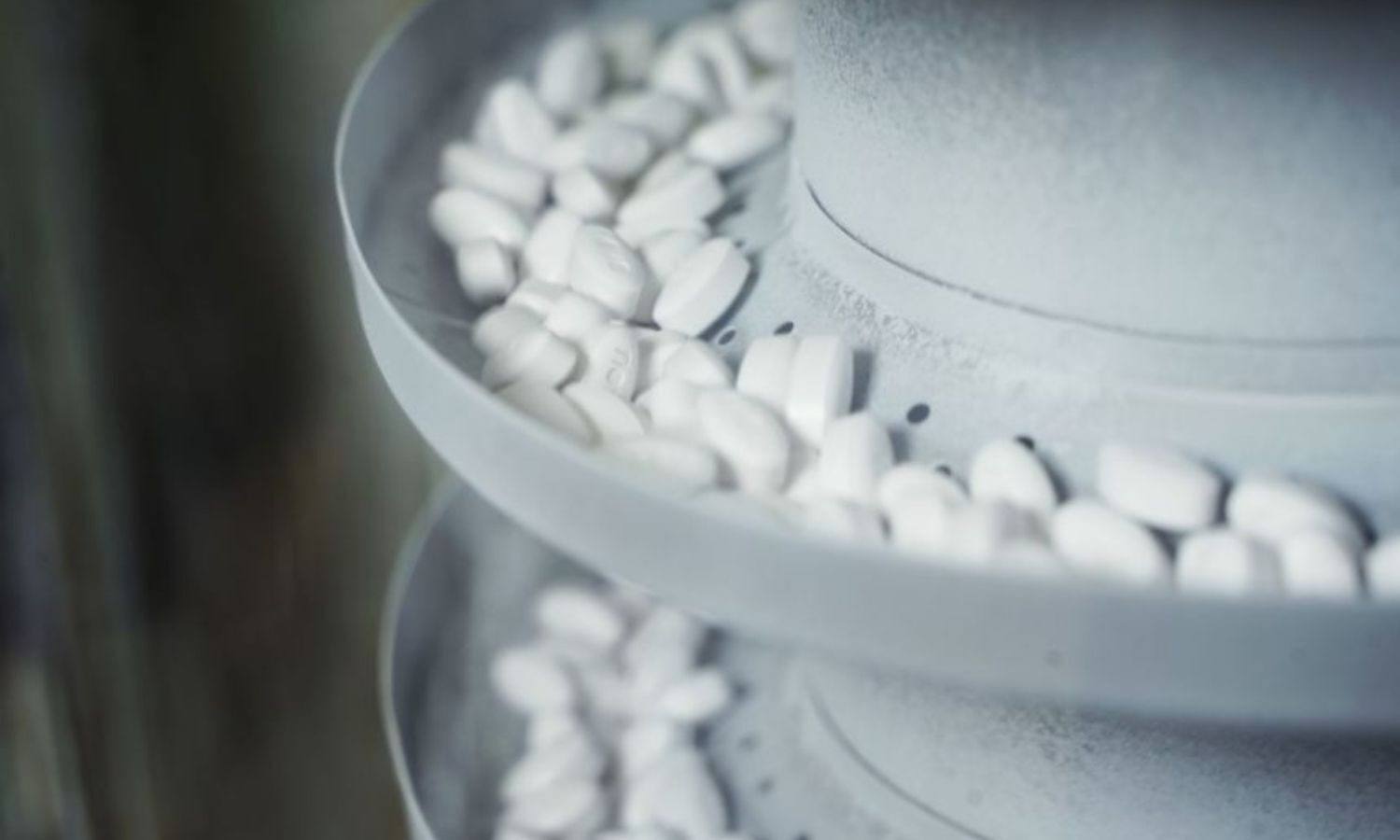
Australia: A preclinical study published in the Journal of Controlled Release suggests that salcaprozate sodium, an absorption enhancer used in oral semaglutide, may negatively affect gut health and inflammation. Researchers found that salcaprozate sodium reduced the levels of fiber-fermenting gut bacteria and butyrate, while increasing inflammatory markers and liver weight. These findings raise concerns about potential microbiome disruption and inflammatory effects associated with long-term exposure, warranting further investigation in human studies.
The study, led by Amin Ariaee from the Centre for Pharmaceutical Innovation at the University of South Australia, examined how semaglutide (SEM), salcaprozate sodium (SNAC), and their combination influence gut microbiota and metabolic markers. Oral semaglutide relies on SNAC to enhance gastric absorption, achieving limited bioavailability of approximately 0.4–1%. However, gastrointestinal side effects are a common reason for treatment discontinuation, prompting researchers to explore whether SNAC itself may contribute to adverse changes.
In the 21-day preclinical investigation, healthy Sprague Dawley rats received daily doses of SEM (0.74 mg/kg), SNAC (22 mg/kg), or a combined SEM–SNAC formulation.
The key findings were as follows:
- Overall microbial α-diversity remained stable, but SNAC significantly altered β-diversity between groups.
- SNAC exposure reduced key fiber-degrading bacterial families, including Muribaculaceae (−62%) and Bacteroidaceae (−77%).
- Predicted saccharolytic enzyme abundance declined following SNAC treatment.
- Fecal butyrate levels decreased markedly (−77% with SNAC alone and −75% with SEM–SNAC).
- Loss of Muribaculaceae and Bacteroidaceae correlated with lower saccharolytic activity, reduced short-chain fatty acids, and increased inflammatory signaling.
- Circulating TNF-α levels increased by 70% with SNAC exposure.
- Interleukin-6 (IL-6) levels were elevated in SNAC-treated animals.
- Brain-derived neurotrophic factor (BDNF) levels decreased by 85% in the SEM–SNAC group.
- SNAC-treated rats showed increased liver weight.
- The caecum mass was reduced in animals receiving SNAC.
- Repeated SNAC exposure was associated with changes in gut microbiota, fermentation markers, and systemic inflammatory indicators.
The authors caution that the results demonstrate associations rather than direct causality, and mechanistic studies are needed to confirm the pathways involved. Nonetheless, the consistent links between microbiota disruption, reduced butyrate production, and heightened inflammatory markers highlight potential biological consequences of chronic SNAC exposure.
Given that oral semaglutide therapy requires daily administration of SNAC over extended periods, the researchers emphasize the importance of evaluating microbiome integrity and inflammatory markers in patients receiving long-term treatment. They suggest that future research should focus on developing alternative oral peptide delivery strategies that preserve gut microbial balance while maintaining therapeutic efficacy.
Reference:
Ariaee, A., Noueihad, K., Hunter, A., Wignall, A., Wardill, H. R., Davies, M., Prestidge, C. A., & Joyce, P. (2026). Gut microbiota perturbation and systemic inflammation are associated with salcaprozate sodium (SNAC)-enabled oral semaglutide delivery. Journal of Controlled Release, 392, 114711. https://doi.org/10.1016/j.jconrel.2026.114711
Apa Reaksi Anda?
 Suka
0
Suka
0
 Kurang Suka
0
Kurang Suka
0
 Setuju
0
Setuju
0
 Tidak Setuju
0
Tidak Setuju
0
 Bagus
0
Bagus
0
 Berguna
0
Berguna
0
 Hebat
0
Hebat
0

Edusehat
Platform Edukasi Online Untuk Komunitas Kesehatan Agar Mendapatkan Informasi Dan Pengetahuan Terbaru Tentang Kesehatan Dari Nasional Maupun Internasional. ||
An online education platform for the health community to obtain the latest information and knowledge about health from both national and international sources.