


















































%20and%20Batch%20Production%20Records%20(BPR).png)











Perfusion Technologies Gain Momentum in Biomanufacturing
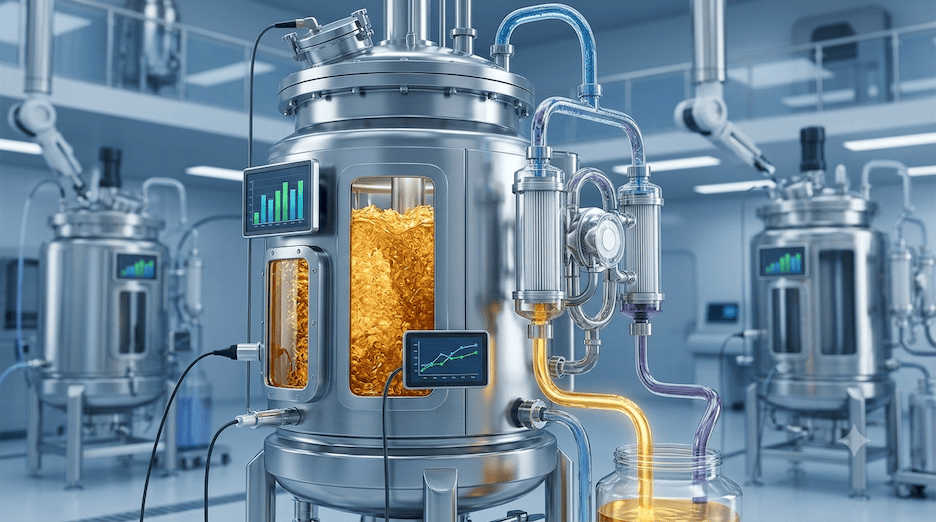
Perfusion-based manufacturing is gaining traction across the biopharmaceutical industry as companies seek to boost biologics output, improve product quality, and increase manufacturing flexibility without expanding facility footprints. Long viewed as a promising but operationally complex alternative to fed-batch production, perfusion is benefiting from a wave of technological advances that are making the approach more practical and economically attractive for commercial-scale manufacturing.
“Perfusion helps maintain cells at very high viable cell densities,” said Charles Solanke, senior scientist of upstream process development at Cytovance Biologics. “This produces significantly more product per unit bioreactor volume compared to traditional fed-batch processes.”
One of perfusion’s key advantages is its ability to continuously harvest product while maintaining healthy cell cultures. “Continuous removal of toxic metabolites creates a more stable environment,” Solanke notes. “This supports prolonged culture duration and high cell viability.”
Product-quality improvements are emerging as another major driver of adoption. Because biologics are harvested continuously, manufacturers can reduce variability in critical quality attributes, such as glycosylation patterns and aggregation profiles.
Technological developments are further expanding the performance ceiling of perfusion operations. High-intensity perfusion media can now support cell densities reaching 100–200 million cells per milliliter, enabling substantially greater productivity than previous generations of processes. At the same time, advances in alternating tangential flow (ATF) and tangential flow filtration (TFF) technologies improve cell-retention performance and reduce filter fouling, which is one of the most persistent challenges in long-duration perfusion runs.
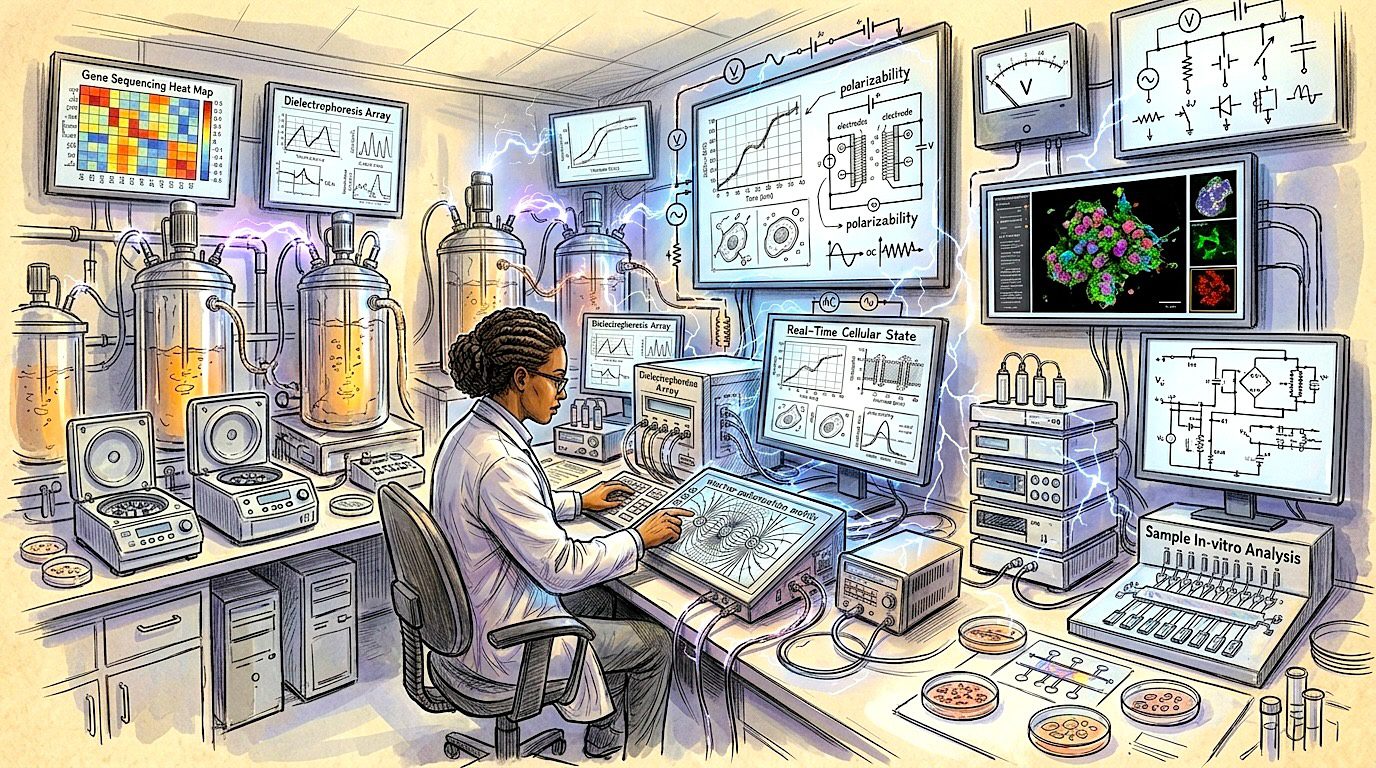
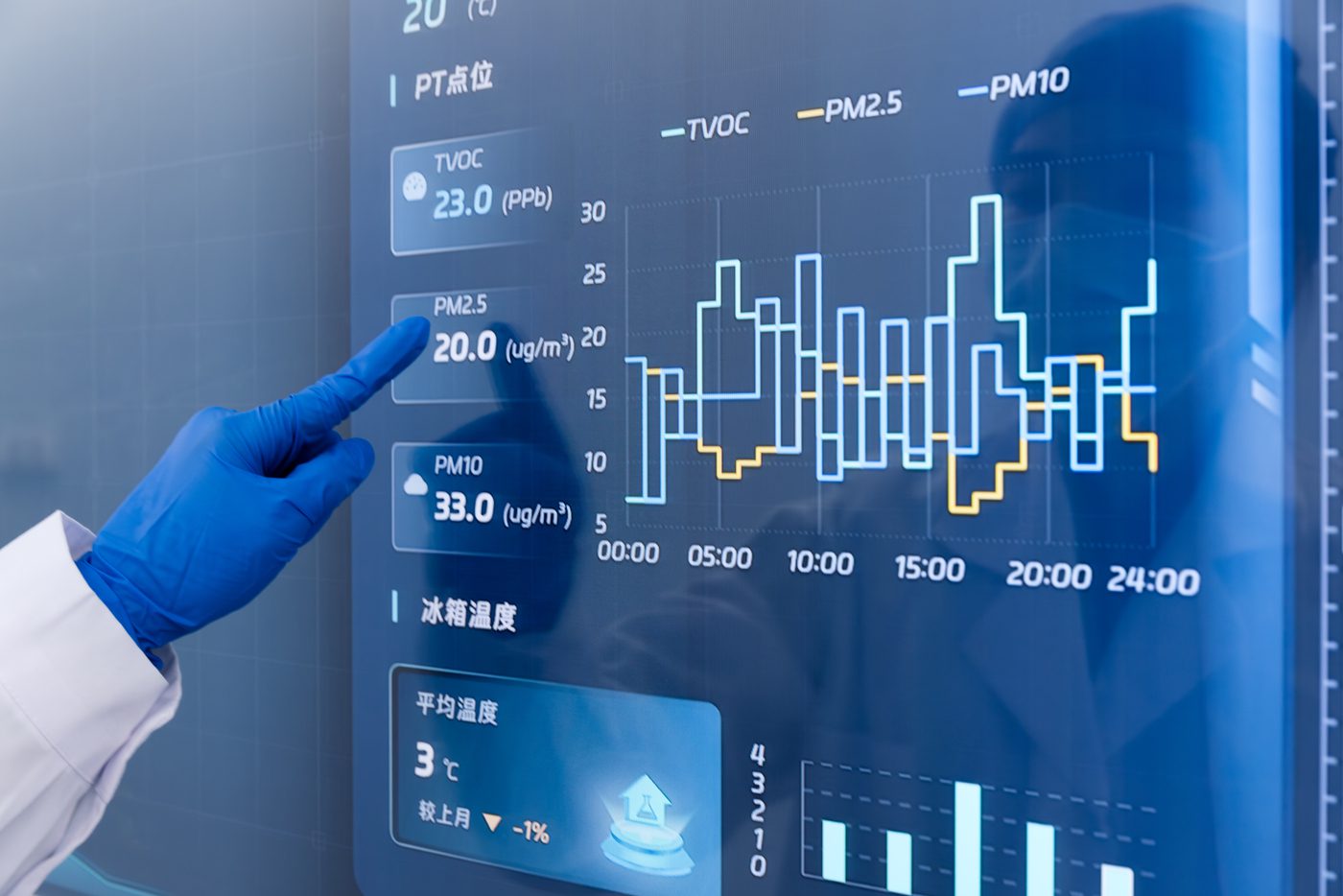
Automation is also reshaping the field. Real-time monitoring technologies—including Raman spectroscopy, capacitance probes, soft sensors, and advanced process-analytical technology—are increasingly being integrated into commercial processes to provide continuous insight into culture conditions. “Real-time monitoring and process control help maintain stable culture conditions,” Solanke said. “The advances have also helped improve process robustness and manufacturing reliability.”
Despite the progress, challenges remain. Perfusion systems typically require higher media consumption, more sophisticated process controls, and additional equipment investments than conventional fed-batch operations. Extended run durations can also increase contamination risks if robust aseptic controls are not maintained.
Looking ahead, industry efforts are increasingly focused on developing cell lines specifically optimized for ultra-high-density perfusion cultures, reducing media consumption through concentrated formulations, and deploying fully autonomous process control systems. “The integration of fully automated perfusion control systems represents a promising opportunity,” Solanke said. “Together, these advancements have the potential to make perfusion processes more productive, cost-effective, and easier to operate.”
The post Perfusion Technologies Gain Momentum in Biomanufacturing appeared first on GEN - Genetic Engineering and Biotechnology News.
Apa Reaksi Anda?
 Suka
0
Suka
0
 Kurang Suka
0
Kurang Suka
0
 Setuju
0
Setuju
0
 Tidak Setuju
0
Tidak Setuju
0
 Bagus
0
Bagus
0
 Berguna
0
Berguna
0
 Hebat
0
Hebat
0