









































%20and%20Batch%20Production%20Records%20(BPR).png)















BIO 2026: CEO Calls for U.S. Biotech Urgency and International Competitiveness
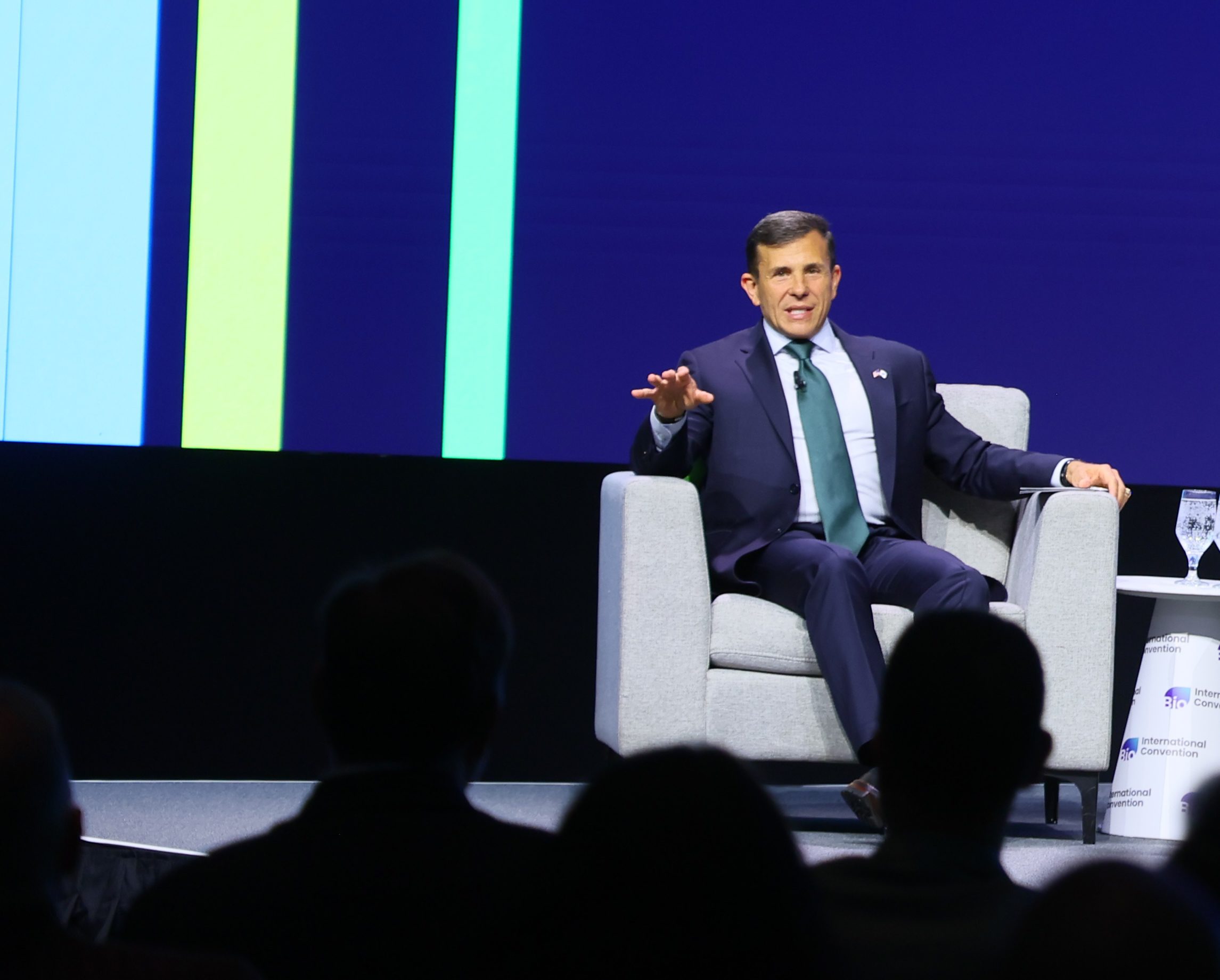
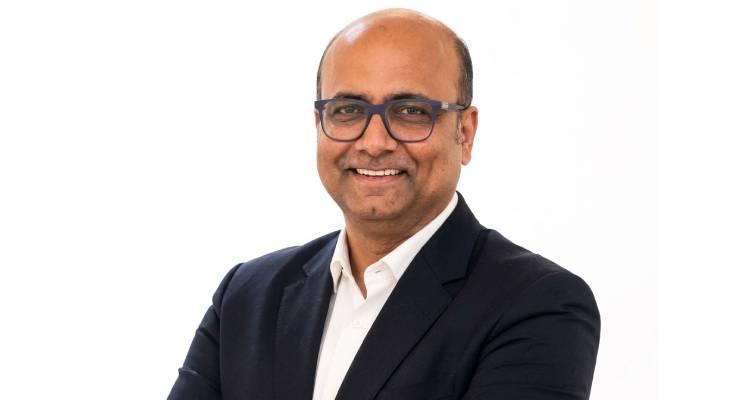
SAN DIEGO — Biotechnology is entering one of the most transformative periods in its history. But, according to Biotechnology Innovation Organization (BIO) CEO John Crowley, outdated regulations, rising development costs, and global competition threaten to slow progress unless policymakers act.
At the 2026 BIO International Convention in San Diego this week—which drew “roughly 20,000 attendees,” according to the organizers—Crowley outlined a vision for the future of biotechnology centered on accelerating clinical research, embracing artificial intelligence, and maintaining U.S. leadership in a rapidly evolving global bioeconomy.
The grassroots gauntlet
Crowley’s personal journey as a father shaped his path into biotechnology. In the late 1990s, two of his children were diagnosed with a rare form of muscular dystrophy. He left Bristol-Myers Squibb’s marketing department to co-found a biotechnology company with an Oklahoma academic researcher over scientific progress.
The struggle to get funding was immense. Crowley reflected on his first BIO convention in 2000 amidst the excitement of the Human Genome Project: “I came and there were tens of thousands of people partnering as there is today, still a quarter of a century later. Being the 31-year-old CEO of a small startup in Oklahoma City with no money, literally nobody signed up to meet with me and nobody accepted my meeting request.”
Crowley recalled going to the main stage, where a gentleman, rendered quadriplegic through a horse accident, came out on the stage and said, “Biotechnology—it’s a great big word that just means hope. It’s my hope that someday I can hold my wife’s hand on the beach or throw a ball to my kids.”
Crowley, empty-handed, returned to Oklahoma City and was able to scrounge up the funds for his startup, Novazyme Pharmaceuticals, which was ultimately funded by home equity loans and credit card advances to develop rare disease treatments. Just one year later, Novazyme was acquired by Genzyme Corporation for $225 million.
The experience engrained in Crowley two main concepts: first, developing therapeutics doesn’t always start in big pharma but, rather, often has grassroots origins; second, and relatedly, it’s an almost impossible battle for anyone outside of big pharma to fight.
“That’s the way so much of our science happens,” Crowley said. “It comes out of great universities, and it’s a scientist and entrepreneur—and increasingly, families, patients, and patient advocates—leading the way and going through the whole journey, running that gauntlet of making medicines.”
Modernizing clinical trials and accessible AI
To achieve the vision of maximizing the development and reach of biotechnology, Crowley identified a handful of problems, including the need to change the current system of clinical trials. Crowley praised the FDA’s new “Project Trailblazer” initiative to modernize experimental therapy human testing. He argued that clinical trials have become excessively burdensome and costly, limiting innovation and delaying patient access to new treatments.
Over the past year, Crowley and BIO have worked with regulators and industry stakeholders to identify development bottlenecks. “The FDA needs to continue to be the gold standard of the world,” he said, while emphasizing that modernization is necessary to make the agency a stronger “beacon of innovation.” BIO has proposed several reforms, including measures designed to streamline trial approvals and improve the efficiency of regulatory review.
Describing recent discussions among BIO’s board of directors, which includes executives from both major pharmaceutical companies and small biotechnology startups, Crowley said there were two major strategic topics that emerged that dominated the conversation: China and AI.
For AI, the question wasn’t about whether it could revolutionize biotechnology; rather, it had to do with making AI capabilities accessible to companies of all sizes. Crowley noted a major disparity. “Our biggest companies have the resources and the focus to think about AI. They’ve got hundreds or more people focused on this. Our small companies don’t have those resources,” he said.
Crowly continued, “It’s also a challenge because in our industry we would work on such long timelines, and it’s hard for an entrepreneur and biotech of a small or a mid-sized company who’s invested years to get to…starting Phase III, and all of a sudden you’ve got this massive disruptive technology. That’s exactly what AI is going to be.”
The solution, according to Crowley, is for BIO to be at the forefront to enable the rapid implementation of AI into drug development paradigms, clinical trials, and the regulatory review process.
Challenging China
Crowley’s most stressed point was that the United States must remain competitive against growing international rivals, particularly China. “Drug development has just gotten too costly and burdensome, and it takes too much time,” said Crowley. In this [global] bioeconomy where we need to compete and outcompete countries like China, these are reforms that are needed.”
He characterized biotechnology as a matter of national security and argued that the United States should treat the industry as a strategic asset. While supporting bipartisan efforts in Washington to strengthen domestic biotechnology capabilities, he cautioned against policies that could create unintended consequences or limit access to potentially life-saving technologies.
“The world is a better, safer, healthier, and more prosperous place when the United States and its allies continue to lead in biotechnology,” Crowley said.
China has identified biotechnology as a strategic priority through multiple national development plans and has invested heavily in scientific infrastructure, manufacturing capacity, and research capabilities. Crowley argued that the most effective response is not isolation but improving the competitiveness of the U.S. innovation ecosystem.
Crowley repeatedly returned to what he described as “man-made problems” holding the industry back. While scientific challenges will always exist, Crowley said barriers such as complex regulations, insufficient research funding, delays in patient access, and rising out-of-pocket healthcare costs are obstacles that policymakers can address. “We can’t come to this convention and cure every cancer,” he said. “But if we get together with policymakers and lawmakers, we can pretty quickly solve a lot of these man-made problems if we have the will.”
50 years down, 50 years ahead
As biotechnology celebrates more than 50 years of innovation, Crowley argued that the industry’s future will depend not only on scientific breakthroughs but also on its ability to modernize the systems that govern how those breakthroughs reach patients.
“I hope you see, when you’re here at this convention, that it captures that entrepreneurial spirit,” said Crowley. “It has to be grounded in great science and research, and it’s an exciting time to be in biotech, not just reflecting about all our successes and our many failures and challenges along the way in 50 years and looking out in the months, years, and next 50 years about what biotechnology can do to extend and enhance life and to alleviate an enormous amount of human suffering.”
With advances in gene editing, genomic medicine, artificial intelligence, and cell therapies accelerating simultaneously, Crowley believes the next era of biotechnology could surpass anything seen before—provided the industry can remove the barriers standing in its way.
The post BIO 2026: CEO Calls for U.S. Biotech Urgency and International Competitiveness appeared first on GEN - Genetic Engineering and Biotechnology News.
Apa Reaksi Anda?
 Suka
0
Suka
0
 Kurang Suka
0
Kurang Suka
0
 Setuju
0
Setuju
0
 Tidak Setuju
0
Tidak Setuju
0
 Bagus
0
Bagus
0
 Berguna
0
Berguna
0
 Hebat
0
Hebat
0