






































%20and%20Batch%20Production%20Records%20(BPR).png)













Ageism in dentistry: are we treating elderly patients or our assumptions about them?
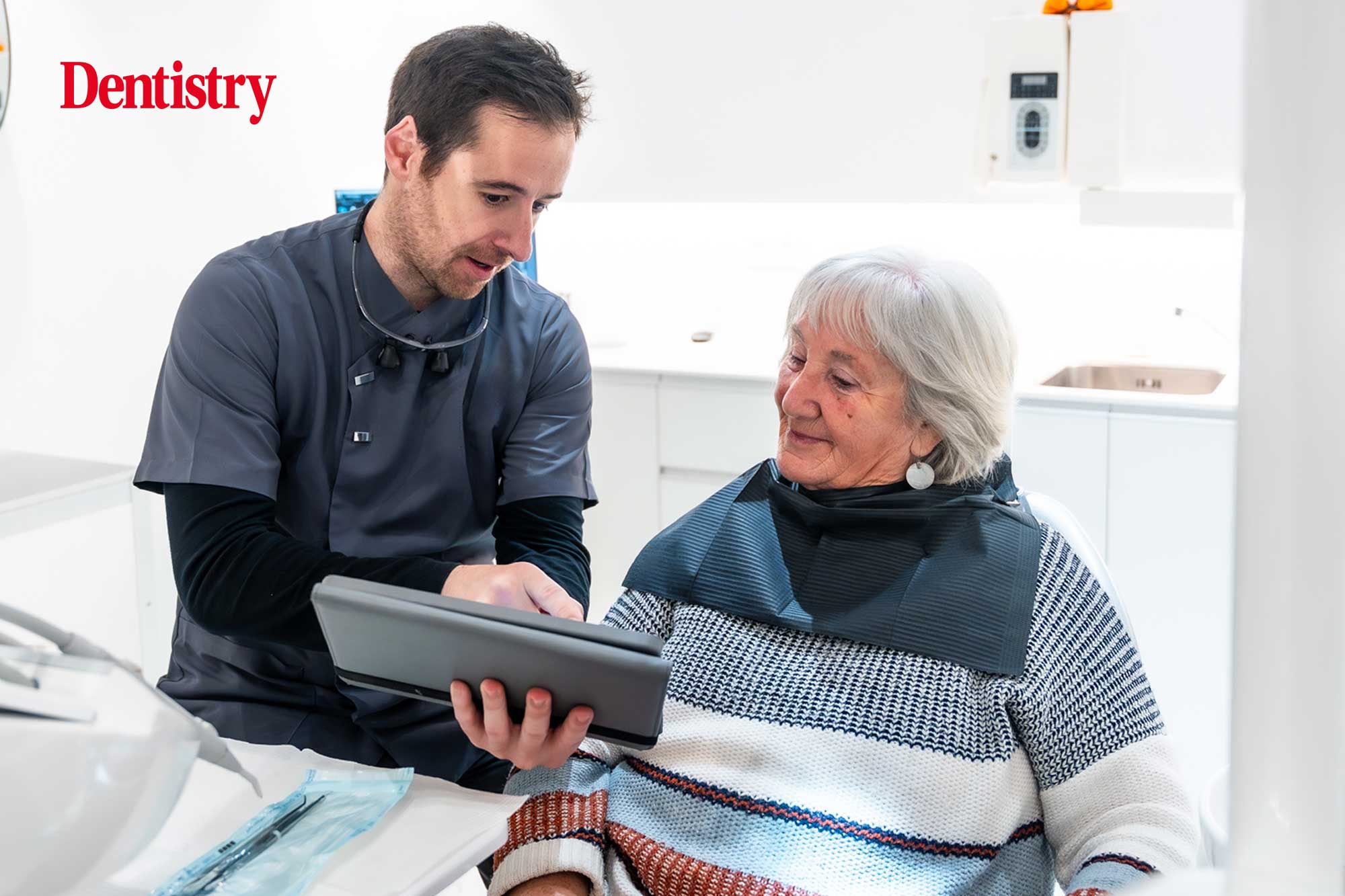
‘Given their age’ is an excuse we’ve all heard many times – Sharif Islam debunks some of the ageism that patients face when seeking dental treatment.
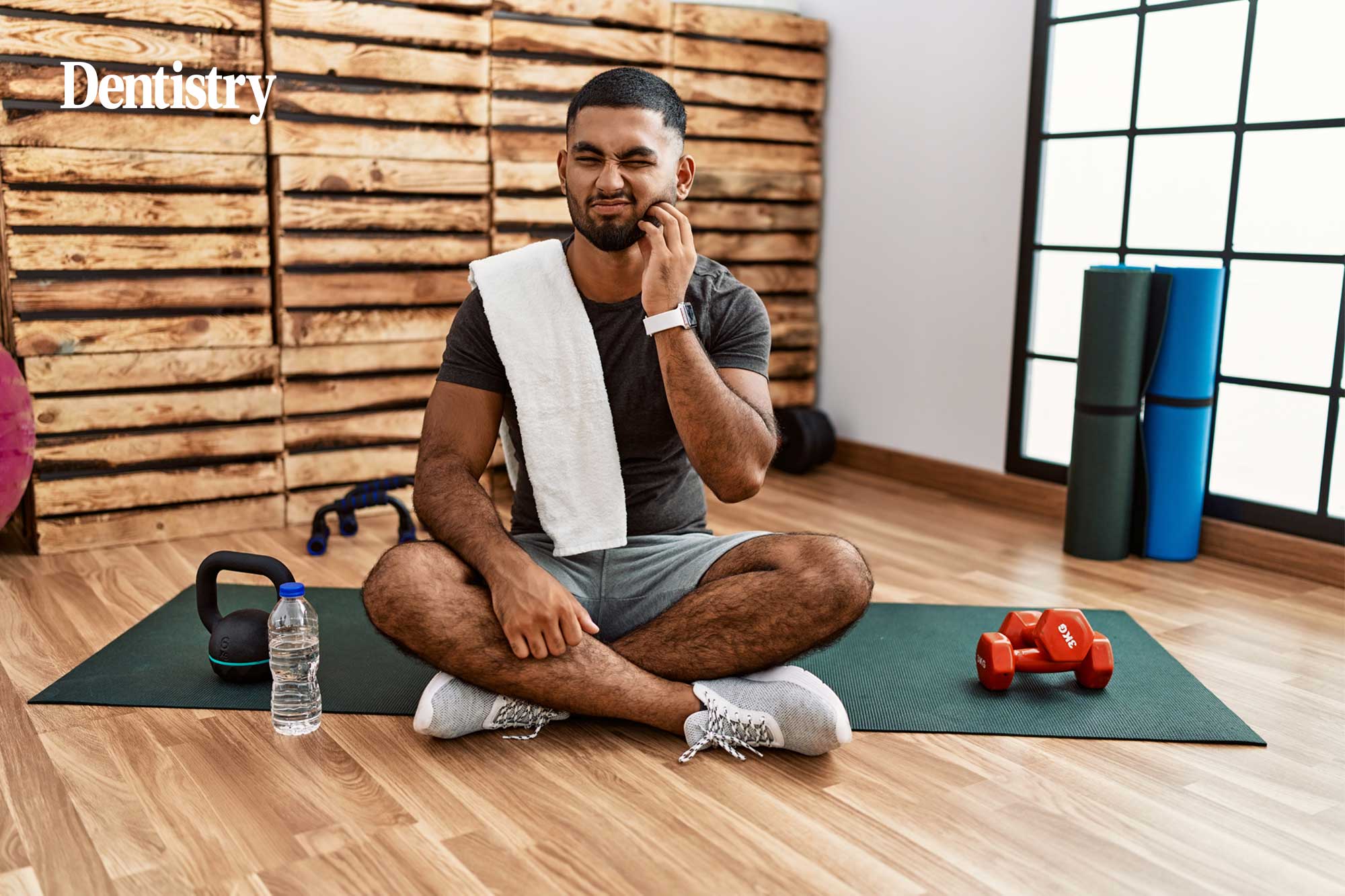
Almost every time I’m in the gym, members inform me that ‘someone my age’ shouldn’t be able to, or even try to, move from an L-sit to a handstand on suspended rings, hold a front lever, or helicopter kick in an elevated split. And while I’m the first to admit that at my age merely getting out of a chair is now a Hollywood stunt that requires careful planning and copious warming up before making the obligatory middle-aged grunts, I seem to defy their expectations by performing all the aforementioned actions anyway. Well, so far, at least… (When I leave the hospital tomorrow I’ll see if that’s still true.)
But when it comes to our patients, many of us have read a familiar rationale in the notes to explain why a cavity wasn’t filled or a broken tooth wasn’t restored. Because, apparently, being a certain age negates the obligation for real dentistry to be undertaken, and excuses the supervised neglect and therapeutic nihilism that is unfortunately too often bestowed upon our more senior patients.
‘Given their age’ is a convenient pass to get out of the jail that would otherwise confine us to working on an ageing mouth with a multitude of problems – a mouth belonging to someone we perceive as having far fewer days ahead of them than behind them.
But the judgement that they haven’t much time left in the realm of the living is no more ours to make than the excuse to not correctly treat them because of it. Are we genuinely treating the individual sitting in front of us, or are we treating our assumptions about their age?
What is behind the ageism?
It is true that some of our elderly patients are not entirely lucid, aware, or tolerant of treatment. Trying to restore that cavity in the distal half of an upper third molar belonging to a patient who cannot recline and has a perpetual tremor is a tall ask of any of us. And in any situation, we can only do our best or refer on to someone who can, even if those community or domiciliary services are stretched or curtailed.
It’s the use of their age as the excuse that is so invidious. One day, if you’re lucky, you will also be that age, as will hopefully your other family members and your children. Would it be acceptable for someone to judge you or them less worthy of appropriate care because of advancing years?
Ageism in dentistry is rarely malicious but often unconscious. Treatment discussions may be addressed to family members instead of the patient, despite the patient having full decision-making capacity. Either the practitioner or the family member may assume that an older patient would not want implants because they’re too old, or dismiss cosmetic concerns because appearance is somehow considered less important later in life. And these assumptions are rarely challenged because they masquerade as kindness.
The case against ageism in dentistry
Every competent adult deserves the opportunity to understand their options and make informed choices. That principle doesn’t diminish with age. Nor is oral disease an inevitable consequence of ageing. Dental caries, periodontal disease, tooth wear and oral cancer remain diseases regardless of age. When we normalise deterioration simply because someone has reached a certain age, we inadvertently lower the standard of care.
Elderly dental patients may present with a complex and particular plethora of health predicaments. Polypharmacy, xerostomia, diabetes, cardiovascular disease, cognitive impairment and reduced manual dexterity all influence oral and dental health. These factors demand more thoughtful treatment planning, not less.
Typically, such patients are the least likely to feel entitled, make a fuss or escalate a complaint. In contrast, it is my humble experience that elderly patients are usually the most grateful to us for a modicum of care, even if it’s a just a few minutes of listening to them. A human connection that is as much appreciated as the clinical treatment.
Patient preference and clinical excellence
Ageism won’t cause all dentists to hold back on treatment. For many, the opposite is true. The elderly demographic is often seen as a naively trusting cash cow presenting ample opportunity for the practitioner to exploit their buffet of dental complications. Implants or dentures to replace missing teeth, lots of class V wear and abfraction cavities to fill in with composites, and a few root canals to cover with crowns. Naturally, all of it will help prolong their life and quality of it.
Ultimately, the patient’s own values have to be aligned with good clinical dentistry. For some it will be enough to be without pain just to get through their day. Others will prefer a full mouth rehabilitation. Thus, comprehensive assessment becomes essential. Functional ability, cognitive capacity, social support, nutritional status, medical history and patient priorities will influence treatment planning.
‘Age is only a number; health is a necessity’
People are living longer, healthier and more active lives than ever before in human history. Many individuals in their 80s, 90s and even beyond now retain much of their natural dentition and have expectations of oral health that would have been unimaginable a generation ago. They are not only living longer. They expect to live better. Such that studying gerodontology may be an inescapable necessity on the dental syllabus rather than a specialist afterthought.
Our elderly citizens in general are not simply a date of birth but merit much more patience and consideration than our current culture seems to award them. They have invariably put in their time, made their contribution to society, and belong to a generation that rarely complained but endured privations and hardship that many of us would find challenging to bear.
Such a fact of their existence should surely marshal us into doing our absolute utmost to ensure they have nothing less than stable dental health with a comfortable, pain-free mouth. They deserve the same dignity and commitment to excellence that we would expect for ourselves and deliver without hesitation to our younger patients.
And, as was stated to me recently by a sage septuagenarian gym member after finishing his inverted sit-ups: age is only a number; health is a necessity.
Follow Dentistry.co.uk on Instagram to keep up with all the latest dental news and trends.
Apa Reaksi Anda?
 Suka
0
Suka
0
 Kurang Suka
0
Kurang Suka
0
 Setuju
0
Setuju
0
 Tidak Setuju
0
Tidak Setuju
0
 Bagus
0
Bagus
0
 Berguna
0
Berguna
0
 Hebat
0
Hebat
0